Tanaka Electric
Tanaka Electric
Tanaka Electric
Engineered for extreme environments, heavy duty load cycles, and high thermal safety standards.
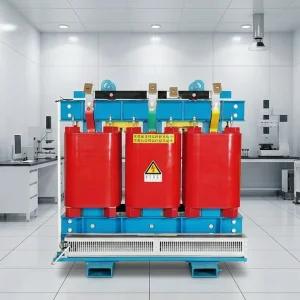
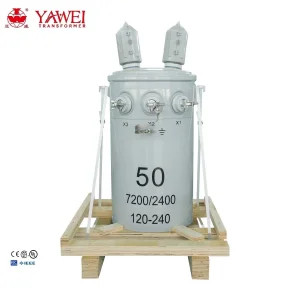
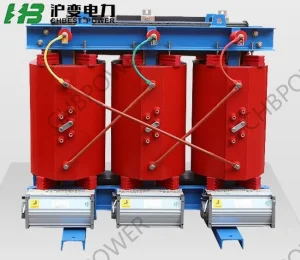
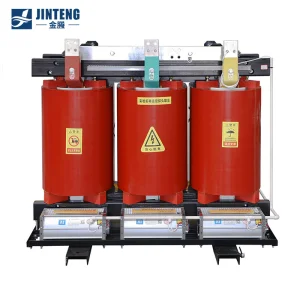
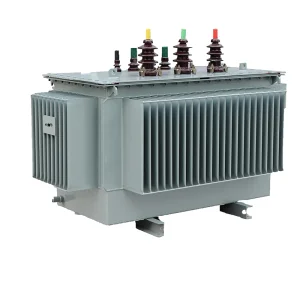
Analyzing the structural shift toward high-safety, low-emission electrical infrastructure under modern regulatory mandates.
In modern industrial and urban power distribution, safety and environmental sustainability are no longer secondary metrics. The demand for flame retardant transformers has surged globally, driven by stringent fire safety regulations, rapid urbanization, and the proliferation of high-density infrastructure such as commercial skyscrapers, underground subways, data centers, and marine oil platforms. Standard mineral-oil-filled transformers, while highly efficient, present significant fire risks because mineral oil has a low flash point (typically around 140°C to 150°C). A major electrical fault can lead to catastrophic explosions, toxic smoke emission, and environmental soil contamination.
To mitigate these hazards, international regulatory bodies like the National Fire Protection Association (NFPA), IEC, and European Norms (EN) have mandated the use of highly fire-resistant insulation mediums in high-risk zones. This has given rise to two dominant technologies: Cast Resin Dry-Type Transformers (utilizing epoxy resin formulations that are inherently self-extinguishing) and Ester-Filled Liquid-Immersed Transformers (utilizing synthetic or natural esters with fire points exceeding 300°C, classifying them as Class K high-fire-point liquids). These technologies ensure that even if an arc occurs, the medium will not support continuous combustion, achieving "zero-propagation" fire safety status.
High-density cities rely on subterranean substations where conventional cooling liquids represent unacceptable risk profiles. Flame retardant cast-resin technologies eliminate the need for active fire suppression walls.
Submerged arc and calcium carbide furnace systems require continuous high-current inputs. Specially fortified dry-type transformers withstand thermal surges, prevent dust-induced short circuits, and protect personnel.
Extreme salt spray and limited physical space make maintenance complex. Flame-retardant ester-filled systems minimize marine pollution risks while keeping equipment footprint small and highly efficient.
Decarbonization, Smart Monitoring, and Advanced Nanomaterials are redefining transformer performance boundaries.
As the world transitions to decentralized renewable energy grids, flame retardant transformers are evolving along three distinct technological axes:
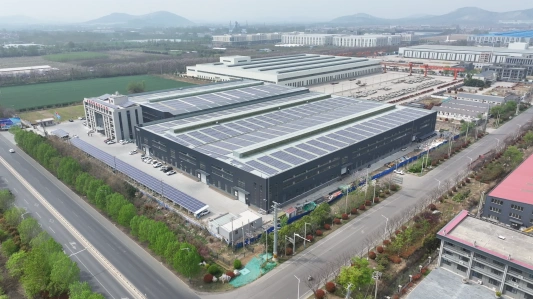
Understanding the behavioral differences of insulation and cooling media under severe overload conditions.
| Insulation Medium | Fire Point (°C) | IEC Fire Class Rating | Environmental Risk | Common Applications |
|---|---|---|---|---|
| Cast Resin (Epoxy) | None (Self-extinguishing) | F1 (Low flammability/smoke) | Zero leakage risk | Subways, commercial towers, indoor substations |
| Natural Esters | 350 - 360°C | Class K3 (High fire point) | Biodegradable / Safe | Wind turbines, residential green zones |
| Synthetic Esters | 310 - 325°C | Class K2 (High fire point) | Slow bio-degradation | Traction locomotives, industrial substations |
| Standard Mineral Oil | 160 - 170°C | Class O1 (Flammable) | High soil & water toxicity | Remote utility transmission grid systems |
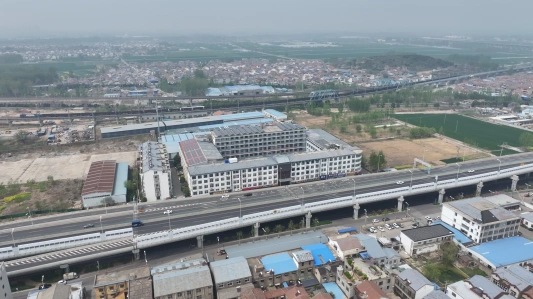
Established in 2005 with a robust registered capital of 110 million RMB, Zhejiang Tanaka Electric Co., Ltd. has established itself as an elite, high-tech enterprise specializing in the production, research, development, and global export of advanced power transformers and distribution substations.
Our engineering backbone consists of 15 senior engineers, 30 intermediate technicians, and 17 senior technicians. This deep pool of talent has enabled the acquisition of 18 patents, solidifying our status as technological innovators in high-reliability electrical design. In order to cater to comprehensive project requirements, we also assist our global partners in procuring high-performance peripheral components, offering streamlined one-stop procurement.
Ensuring zero defects through high-precision automation and extreme quality control processes.
Our advanced production facility houses over 120 sets of high-precision heavy machinery, ensuring that every transformer delivered matches global performance criteria under continuous stress. Our key machinery assets include:
Maintains optimal tension and precise winding geometry to eliminate mechanical stress points, greatly reducing local hotspots and coil degradation under rapid fluctuations.
Pours the high-performance epoxy resin mix under high vacuum pressure, eliminating micro-air bubbles and partial discharges, achieving perfect dielectric encapsulation.
Employs gradient thermal control to cure cast coils slowly, avoiding micro-fractures and thermal stress inside the solid insulation block.
Our production cycle operates in complete compliance with ISO9001 quality management and ISO14001 environmental management standards. From initial raw material testing (electromagnetic sheet inspection, copper purity verification) to final load loss tests, temperature rise measurements, and impulse voltage tests, every single process is documented. We are fully certified under CE, CCC, and UL standards, guaranteeing seamless integration in global power systems.
How our products are specifically configured to meet regional regulatory demands and unique climate challenges.
Designed for operations in deep underground shafts where coal dust and methane concentration present extreme explosion risks. Our 10kv/35kv low-loss isolation transformers feature dust-tight enclosures and are engineered to withstand continuous high mechanical vibrations without compromising safety.
Intended for installation inside public structures where space is highly constrained and evacuation routes must be protected from toxic smoke. Our cast-resin designs release zero toxic halogens under thermal breakdown, aligning with strict EU construction safety codes.
Configured to endure high-humidity, salt-laden marine air and volatile load fluctuations. We utilize multi-layer protective coatings and high-grade anti-corrosive hardware, significantly extending the operational lifespan in offshore installations.
The next decade of grid modernization will require transformer designs to integrate closely with digital systems and eco-responsibility targets. Zhejiang Tanaka Electric Co., Ltd. is actively piloting three core innovations:
Expert technical answers to standard engineering and procurement questions regarding flame-retardant electrical equipment.
Flame retardant transformers utilize insulation systems with self-extinguishing properties (e.g., epoxy resin with Class F or H thermal insulation) or high-fire-point cooling liquids (Class K natural/synthetic esters with fire points above 300°C). Standard transformers use mineral oil, which has a low flash point (~140°C) and can sustain high-intensity combustion once ignited.
Cast Resin dry-type units are completely moisture-proof and dust-tight, making them optimal for indoor, underground, and high-safety residential spaces. However, for outdoor zones exposed to heavy weathering or high-capacity utility grids, Ester-Filled systems provide better thermal dissipation while maintaining a safe, biodegradable profile.
Yes. By using advanced materials and strict climate testing, our transformers operate reliably from sub-zero mining environments down to -40°C up to high-ambient desert environments reaching +50°C. For heavy marine and coastal zones, we apply specialized anti-corrosion finishes.
Depending on the target market, standard certifications include IEC 60076 (International), UL (North America), CE (Europe), and CCC (China). Zhejiang Tanaka Electric complies with all major standards, verifying performance through accredited testing laboratories.
Customized electrical conversion machinery built for industrial networks and heavy distribution lines.