Tanaka Electric
Tanaka Electric
Tanaka Electric
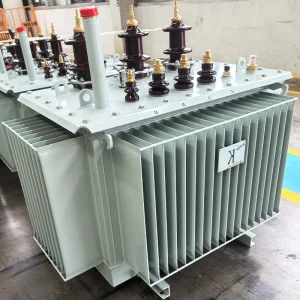
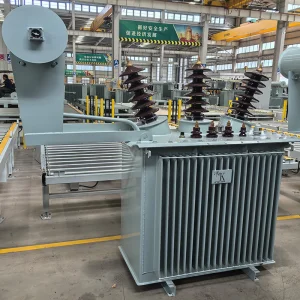
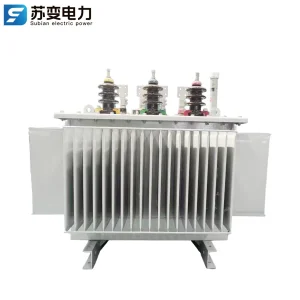
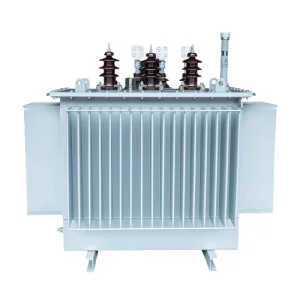
Explore our core product line featuring advanced distribution technology, engineered to accommodate synthetic and natural ester oil mediums for optimized operation in various environments.
Modern electric utility grids and industrial distribution facilities stand at a critical technological crossroads. For over a century, petroleum-derived mineral oil served as the default insulating and cooling medium within fluid-filled transformers. However, heightened global imperatives targeting decarbonization, operational hazard mitigation, and environmental protection have catalyzed a shift towards sustainable solutions. Ester oil transformers filled with synthetic or natural ester fluids represent the modern standard in high-temperature, fire-safe, and ecologically sound transformer engineering.
Ester fluids possess high flash and fire points, typically exceeding 300°C, classifying them as Class K (high-fire-point) fluids according to IEC and National Electrical Code (NEC) criteria. In contrast, mineral oil exhibits a relatively low fire point of approximately 170°C. This disparity translates into a reduced risk of catastrophic fire and explosion in high-risk zones, such as densely populated urban centers, industrial sites, high-voltage offshore substations, and indoor utility spaces. By adopting ester-fluid-insulated equipment, plant operators can minimize or completely eliminate the need for concrete fire blast walls and complex water deluge installations, reducing capital expenditure (CAPEX) in new grid infrastructure projects.
Additionally, the ecological profile of ester fluids aligns with global sustainability goals. Natural esters (derived from domestic seed oils like soybean or rapeseed) and synthetic esters (synthesized from organic acids and alcohols) are rapidly biodegradable—typically achieving over 90% breakdown within 28 days under standard tests. Mineral oil, conversely, persists in soils and aquatic systems, presenting significant environmental liabilities in the event of an accidental spill. Our CE Certified Ester Oil Transformers address these challenges, offering high performance, safety, and environmental compliance.
Established in 2005, Zhejiang Tanaka Electric Co., Ltd. is a high-tech manufacturing enterprise specializing in the production, research, development, and sales of power transformers and distribution systems. Backed by a registered capital of 110 Million RMB, we have built a modern technical ecosystem configured for demanding projects. Our specialized workforce includes 15 senior engineers, over 30 intermediate technicians, and 17 senior technicians.
Holding 18 proprietary patents and ISO9001, ISO14001, CE, and CCC certifications, our production relies on strict quality monitoring processes from raw material procurement to final delivery. Our facility hosts over 120 sets of advanced equipment, allowing us to manage complex specifications for municipal and commercial utilities worldwide. We also provide procurement assistance on behalf of customers to deliver integrated turnkey solutions.
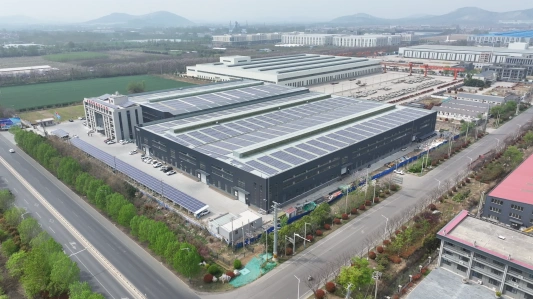
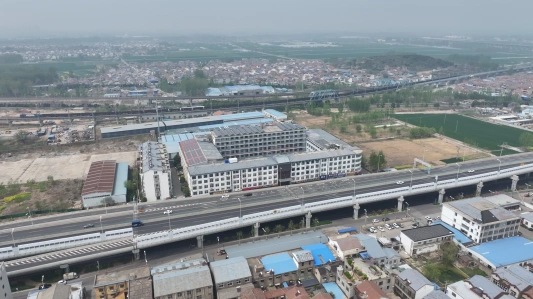
To facilitate compliance verification for international engineering and EPC procurement teams, the table below details our company structure, scope of service, and certified capabilities:
| Operational Parameter | Verified Enterprise Metrics |
|---|---|
| Business Classification: | Original Equipment Manufacturer (OEM) & Certified High-Tech Plant |
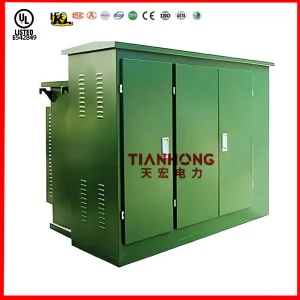
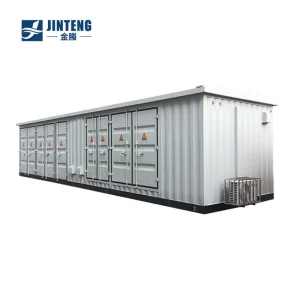
| Product Portfolio Range: | Distribution Transformers, Power Transmission Equipment, Prefabricated Substations, Switchgears, Transformer Components & Accessories |
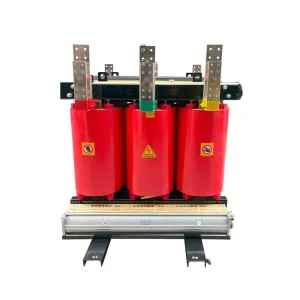
| Key Machinery Inventory: | CNC Automatic Winding Lines, Automatic Foil Winding Systems, CNC Static Vacuum Casting Chambers, Microcomputer-controlled Gradient Curing Ovens |
| Personnel Matrix: | 201 to 500 Employees (Including 62+ Dedicated Engineering & Quality Specialists) |
| Founding Year: | 2005 (Nearly Two Decades of Professional Utility Integration Experience) |
| Regulatory Standards & Certifications: | CE (European Conformity), ISO9001 Quality System, ISO14001 Environmental System, CCC (China Compulsory Certification) |
Selecting the correct dielectric fluid requires a detailed understanding of its molecular composition, thermal performance limits, and chemical stability under continuous loading. Both natural and synthetic ester liquids feature structural properties that influence the performance and degradation rates of the transformer's paper insulation.
Ester oils exhibit high thermal conductivity and flash points (>300°C), classifying them as Class K fluids. Under extreme overloads, they mitigate heat generation, reducing fire risk in indoor, high-density residential, and industrial applications.
Ester fluids can absorb far more dissolved water than mineral oil without losing their dielectric strength. They draw residual moisture out of the cellulose paper insulation, slowing down hydrolytic paper degradation.
By maintaining lower moisture levels in the paper insulation, ester fluids can extend the service life of the transformer's solid insulation system. Under comparable thermal conditions, this can double the lifespan of the paper compared to mineral oil systems.
Chemically, natural esters are triglycerides derived from natural seed oils. They are highly biodegradable and well-suited for distribution transformers operated at moderate to high loads. Synthetic esters, produced from polyols and synthetic organic acids, offer higher oxidation stability. This makes them suitable for higher voltage levels (such as 33kV to 110kV and above), respirable free-breathing designs, and applications with variable load profiles.
Ester-fluid-immersed transformers are utilized across diverse industries, each requiring specific performance and safety characteristics:
Installed in offshore wind turbine nacelles, transition platforms, and solar farm substations. Using biodegradable ester fluid eliminates the risk of marine or soil contamination from leaks and provides the fire safety required for remote, unmanned installations.
For underground vaults, multi-story buildings, and shopping centers. Ester oil’s high fire point meets strict urban fire safety regulations, allowing installation near public spaces and reducing the space needed for active fire suppression systems.
For arc furnace operations and heavy manufacturing sites. Ester-filled systems offer thermal robustness and reliability under cyclic overloading and high harmonic conditions, protecting operations from thermal-related breakdowns.
Get expert answers to common questions about retrofitting, fire safety, and maintenance of ester oil transformers.
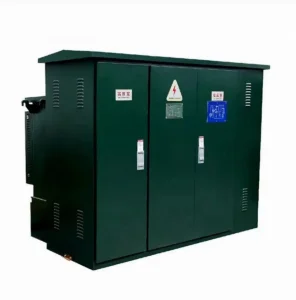
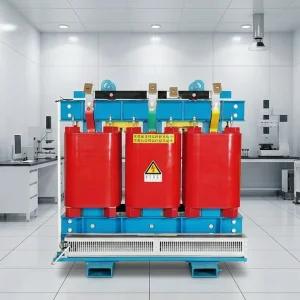
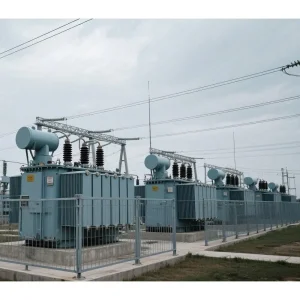
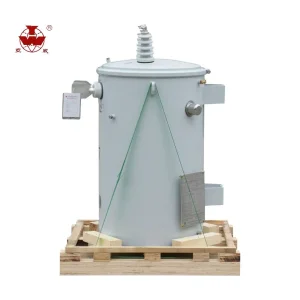
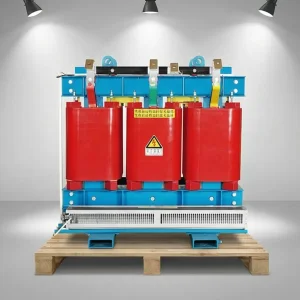
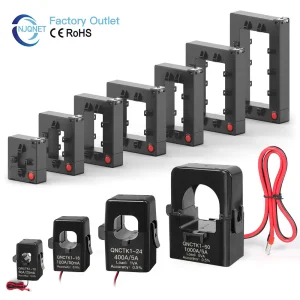
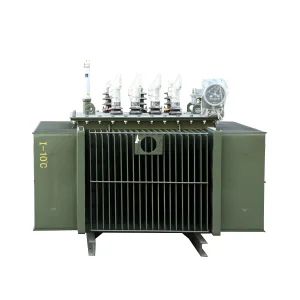
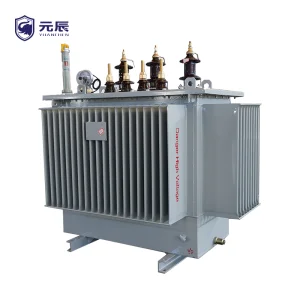
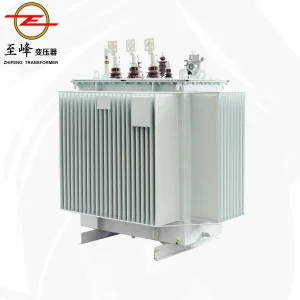
Explore our technical range of high-capacity transformers, prefabricated energy cabins, and precision diagnostic CT sensors designed for smart grids: