Tanaka Electric
Tanaka Electric
Tanaka Electric
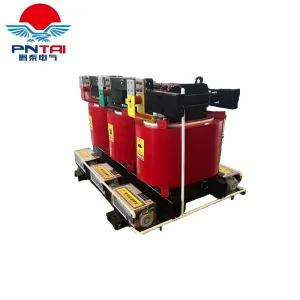
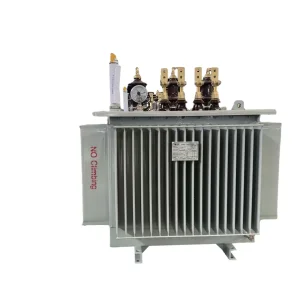
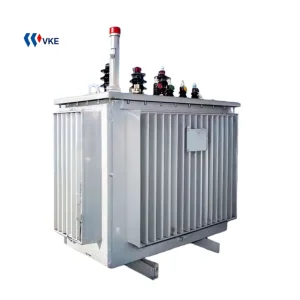
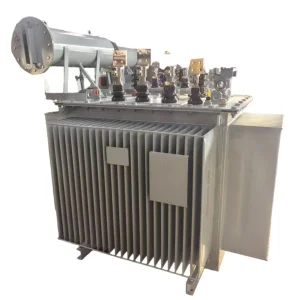
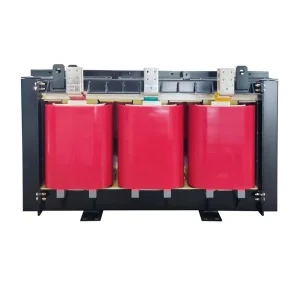
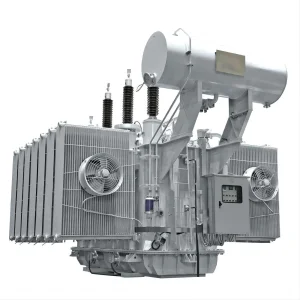
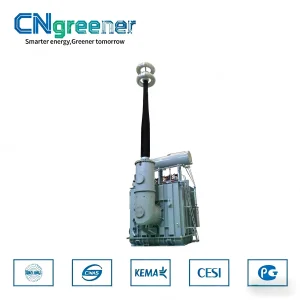
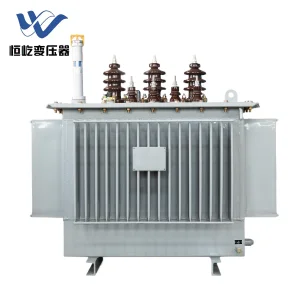
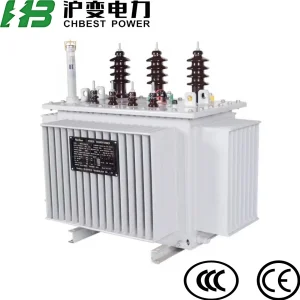
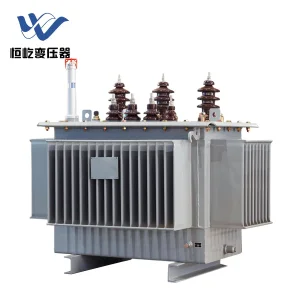
Explore our primary selection of industrial-grade step-up power transformers, specifically designed to adapt to Rwanda's local distribution grid metrics and high-altitude requirements. From robust cast resin dry-type systems to heavy oil-immersed transmission stations.
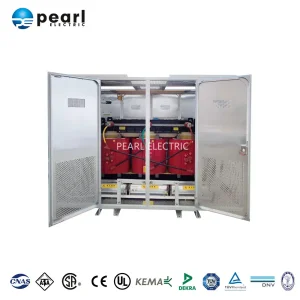
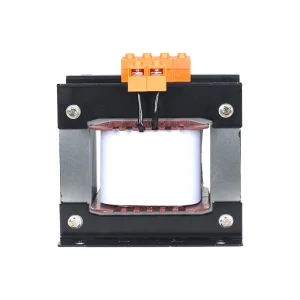
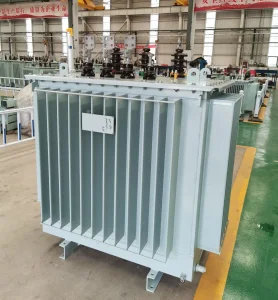
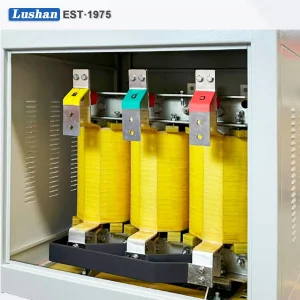
Under the Rwanda Energy Sector Strategic Plan (ESSP) and National Strategy for Transformation (NST1), Rwanda targets 100% electricity access across urban and rural domains. Meeting this goal requires an unprecedented expansion of generation capacities and robust medium-to-high voltage transmission lines. Standard distribution networks in Rwanda operate primarily at 30kV and 110kV / 220kV transmission levels.
Step-up transformers are vital building blocks in this environment. They boost low-voltage outputs from local generation projects—such as hydro stations along the Nyabarongo and Rusumo rivers, solar arrays in Bugesera, and methane extraction facilities at Lake Kivu—to transmission-level voltages. Because Rwanda is characterized by high altitudes (often exceeding 1,500 meters above sea level) and tropical wet seasons, electrical infrastructure must incorporate specific de-rating factors and high insulation clearances to counteract lower atmospheric pressure and prevent dielectric breakdown.
Transmission grid stability in Rwanda demands strict adherence to system voltage tolerances. Our custom-designed transformers feature automated on-load tap changers (OLTC) to balance voltage drop-offs and transient fluctuations across long lines, reinforcing local grid resilience.
Modern electric distribution is undergoing a transition driven by carbon neutrality mandates and smart grid technologies. High-performance magnetic cores, such as amorphous alloy structures, are increasingly replacing standard silicon steel to lower no-load core losses by up to 70%.
Synthetic and natural ester oils are taking over conventional mineral oils. They possess higher fire-flash points (>300°C) and are completely biodegradable, mitigating soil contamination hazards in critical water catchment areas.
Integration of fiber-optic temperature sensors, gas-in-oil monitors (DGA), and smart RTUs allows operators to run real-time diagnostic checks, enabling predictive maintenance schedules and avoiding unexpected system failures.
Advanced insulation engineering guarantees that step-up models run coolly and withstand extreme lightning surge overvoltages, even when atmospheric air density is reduced at high altitudes.
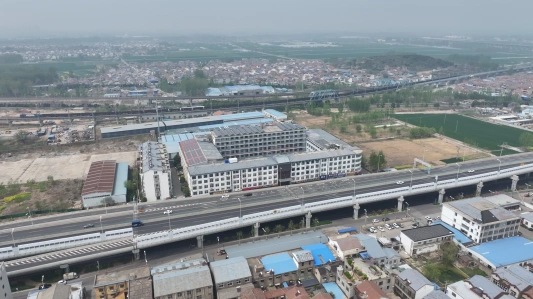
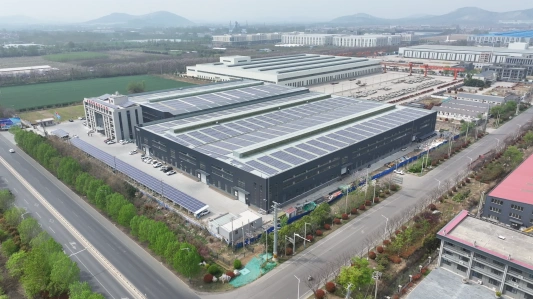
Zhejiang Tanaka Electric Co., Ltd. is a leading manufacturer specializing in the development, production, and sales of high-performance electrical transformers and distribution equipment. With a registered capital of 110 million RMB, we are powered by a solid technical force: 15 senior engineers, over 30 intermediate technicians, and 17 senior technicians. Our commitment to technological innovation is supported by 18 national patents.
Operating from our modern facility equipped with over 120 sets of advanced machinery—including CNC automatic winding lines, CNC static vacuum casting chambers, automatic foil winding systems, and microcomputer-controlled gradient curing furnaces—we maintain full control over the quality of every step-up and step-down unit we produce.
| Zhejiang Tanaka Electric Co., Ltd. - Company Information | |
|---|---|
| Business Type | Manufacturer & OEM/ODM Service Provider |
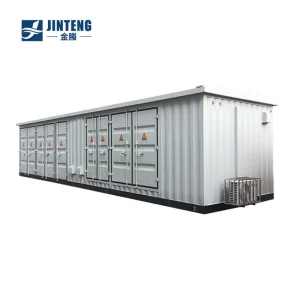
| Product Range | Power Transformers, Dry-type Transformers, Transformer Substations, Oil-immersed Transformers, Distribution Boxes |
| Total Employees | 201 ~ 500 Employees |
| Registered Capital | 110 Million RMB |
| Year Established | 2005 |
| Quality Certificates | ISO9001, ISO14001, CE, CCC |
RMB Cap Base
Patents Registered
R&D Experts
Precision CNC Machining Units
Every installation requires tailored grid integration solutions. We provide comprehensive step-up transformer packages optimized for local industries, municipal projects, and remote off-grid setups.
Boosting low generation voltages (e.g., 400V, 6.3kV, or 10.5kV) directly to the 30kV regional distribution networks or the 110kV transmission system. Ideal for small-to-medium hydro schemes along local rivers.
Stepping up inverter outputs to intermediate voltages. Crucial for utility-scale solar parks developed in sunny districts like Rwamagana and Kayonza.
Providing steady stepping capabilities and isolation inside the Kigali Special Economic Zone and other industrial parks, shielding sensitive machinery from grid voltage drops.
Find professional engineering answers regarding the deployment, specification, and procurement of step-up transformers for the East African grid.
At higher altitudes (above 1,000m), thin air reduces cooling efficiency and dielectric strength. To counter this, transformers deployed in these areas are engineered with customized thermal clearances and enhanced BIL (Basic Impulse Insulation Level) ratings to prevent flashovers and ensure effective natural convection.
Amorphous alloy cores feature a non-crystalline structure that significantly reduces magnetic resistance, dropping no-load losses by 60% to 80% compared to traditional silicon steel. While the initial investment is higher, amorphous alloy transformers yield lower operational costs over a 30-year lifecycle, supporting grid efficiency initiatives in Rwanda.
Yes. Our engineering team designs step-up transformers to comply with specific REG and EUCL/EDCL regulations, including strict specifications for impedance, voltage ratios, vector groups (like Dyn11 or Ynd11), and tap-changer ranges (NLTC or OLTC).
For outdoor installations, we utilize hermetically sealed designs or premium conservator tanks with desiccant air breathers. Dry-type variants are housed within robust IP2X/IP23 aluminum or stainless-steel enclosures and treated with hydrophobic cast resin insulation to resist moisture absorption.
Our full portfolio includes customizable substations, liquid-filled high-voltage units, and compact step-up packages built to international standards (IEC 60076, CE, ISO).