Tanaka Electric Tanaka Electric

Understanding Transformer Protection Systems in 2026?

Time:2026-06-04 Author:Henry
0%

In the rapidly evolving landscape of electrical engineering, understanding transformer protection systems is crucial for ensuring safety and reliability. According to Dr. Emily Carter, a renowned expert in the field, "Transformers are the backbone of our power systems, and their protection must keep pace with technological advancements." Her insights highlight the importance of modern transformer protection systems in 2026.

"Transformer Protection Systems Explained" reveals the intricate mechanisms that safeguard these critical components against faults. Increasing grid demands require enhanced technologies. As power distribution becomes more complex, integrating advanced protective measures is vital. The need for real-time monitoring and analysis is clearer than ever. Transformative technologies can improve response times and prevent potential failures.

Yet, challenges remain. Many stakeholders may struggle to adapt to new protocols. Training and investment in innovative systems could be barriers. Without a proactive approach, organizations risk facing outdated practices. Thus, ongoing education in transformer protection systems is not just beneficial; it is essential. The future depends on our ability to evolve with these critical systems.
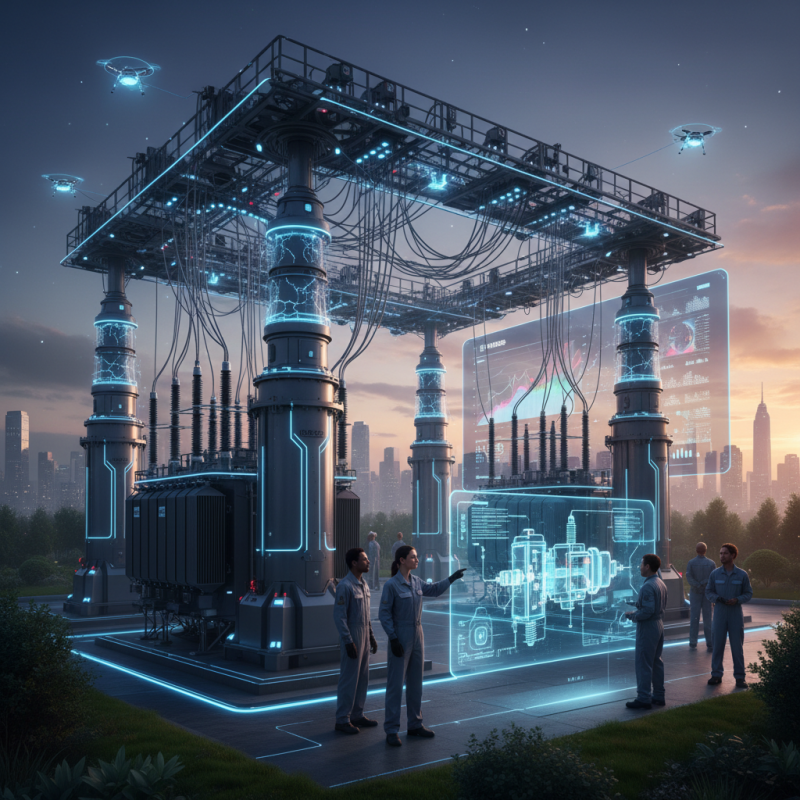
Understanding Transformer Protection Systems in 2026?

Understanding the Role of Transformer Protection Systems in Energy Networks

Transformer protection systems play a crucial role in modern energy networks. They ensure the safety and reliability of transformers, which are vital components in the electricity distribution chain. These systems monitor electrical parameters continuously to detect anomalies. Early detection prevents severe damage to transformers.

In 2026, the technology underpinning these protection systems must adapt to increasing demands. With the rise of renewable energy sources, the complexity of energy networks will grow. This requires more sophisticated protection mechanisms. Integration with digital tools can enhance response times and accuracy. However, there is a need to balance advanced features with ease of use. Overcomplicating the systems might lead to operator errors.

Despite the advancements, challenges remain. Cybersecurity threats to protection systems are an area of concern. Ensuring reliability while addressing these threats is critical. Moreover, the training for operating personnel must also evolve. New technologies require constant learning. Reflecting on how we approach transformer protection systems will be essential for their future.

Transformer Protection Systems Performance Analysis (2026)

Key Components of Transformer Protection Systems: Relays and Circuit Breakers

In 2026, transformer protection systems will play a crucial role in ensuring the reliability of electrical networks. Two key components of these systems are relays and circuit breakers. According to industry data, the global market for protection relays is projected to reach $4.5 billion by the end of this decade. This growth reflects the increasing complexity and demand for robust power systems.

Relays serve as the brain of the protection system. They monitor the electrical flow and detect anomalies like overcurrent or short circuits. A well-calibrated relay can act in milliseconds, averting potential disasters. However, the reliance on technology introduces vulnerability. Misconfigurations can lead to delayed responses. Ensuring accuracy requires regular maintenance and updates, which are often neglected.

Circuit breakers act as the first line of defense. They interrupt power flow during faults, preventing damage to transformers and other connected equipment. Reports indicate that around 70% of transformer failures stem from electrical faults that could be mitigated by effective breakers. Yet, the installation of circuit breakers isn’t foolproof. Aging infrastructure can hinder their performance. Operators must remain vigilant. Regular assessments and upgrades are necessary to maintain reliability.

Impact of Digital Technology on Transformer Protection System Design

The evolution of transformer protection systems by 2026 is closely tied to advancements in digital technology. With the integration of smart sensors and IoT devices, real-time monitoring has become commonplace. These sensors offer unprecedented visibility into transformer health. Anomalies can be detected early, preventing costly failures.


However, relying solely on technology poses challenges. Digital systems can fail, leading to misreporting of transformer conditions. Regular maintenance and updates are essential to ensure accuracy. Moreover, human oversight remains critical. Operators need to understand system alerts fully; otherwise, they risk severe repercussions.


Despite these challenges, digital technology enhances precision in transformer protection design. Machine learning algorithms can analyze vast amounts of data. They improve fault detection and predictive maintenance strategies. This shift allows utilities to optimize operational efficiency. Yet, as technology evolves, so must our approach to training and education in this field.

Statistical Analysis of Transformer Failures and Protection System Efficacy

Transformer protection systems are vital in ensuring the reliability of electrical networks. A statistical analysis of transformer failures reveals patterns in their performance and indicates areas for improvement. Data suggests that failure rates often spike due to external factors like overload or environmental conditions.

In 2026, a deeper understanding of these issues is crucial. Failures can occur due to inadequate protective measures or system design flaws. The analysis helps identify these weaknesses, showing the need for enhanced monitoring systems. It's essential to implement proactive measures rather than reactive ones.

Investing in reliable data collection is necessary for learning from past incidents. In many cases, the lack of precise data can hinder effective decision-making. Engaging in continuous evaluation highlights the importance of adapting strategies based on historical failures. This creates a framework for more resilient transformer protection systems. The journey of improvement is ongoing and requires commitment from all stakeholders.

Future Trends in Transformer Protection Technologies and Industry Standards

The future of transformer protection technologies is poised for significant advancements. In 2026, we can expect a shift towards enhanced digital solutions. These include smart sensors that provide real-time performance data. The integration of artificial intelligence will enable predictive maintenance strategies, ultimately reducing downtime.

Tips: Regular training for personnel is essential. Staying updated on emerging technologies can enhance adaptability. This hands-on knowledge will be vital for implementation.

Industry standards will also evolve. Collaboration among stakeholders will lead to the establishment of unified protocols. This ensures interoperability between various systems. Systems will need to comply with updated safety regulations to mitigate risks effectively.

Tips: Review existing protocols regularly. Identify gaps in knowledge or technology that may hinder compliance. This reflection will foster continuous improvement in transformer protection systems.

Understanding Transformer Protection Systems in 2026 - Future Trends in Transformer Protection Technologies and Industry Standards

Parameter Current Trends (2026) Emerging Technologies Industry Standards
Protection Relay Type Digital Relays Dominating AI-Driven Protection IEC 60255 Compliance
Communication Protocols IEC 61850 Most Common Time-Sensitive Networking IEEE 1849 Standards
Monitoring & Diagnostics Increased Real-Time Monitoring IoT Integration IEEE C37.241
Cybersecurity Measures Emphasis on Cyber Resilience Blockchain for Security NIST Cybersecurity Framework
Maintenance Approaches Predictive Maintenance Gaining Traction Machine Learning Algorithms ISO 55000 Standards

FAQS

: What is the main function of transformer protection systems?

: They ensure safety and reliability in electrical networks by continuously monitoring parameters for anomalies.

Why is adapting technology for protection systems important by 2026?

The rise of renewable energy makes energy networks more complex, requiring advanced protection mechanisms.

What are some challenges faced by transformer protection systems today?

Cybersecurity threats and the need for ongoing training for operators present significant challenges.

How can we improve decision-making regarding transformer failures?

Investing in reliable data collection is necessary, as precise data can enhance decision-making effectiveness.

What role does operator training play in transformer protection?

Regular training helps personnel stay updated on new technologies and improve their adaptability in operations.

How do external factors influence transformer failure rates?

Failures often spike due to overload or environmental conditions, highlighting the importance of proactive measures.

What future trends can be expected in transformer protection technologies?

Enhanced digital solutions, including smart sensors and AI for predictive maintenance, will shape future technologies.

Why is regular protocol review important in the industry?

It helps identify knowledge and technology gaps, ensuring compliance with updated safety regulations.

What can be done to create more resilient transformer protection systems?

Continuous evaluation and adaptation based on historical failures are crucial for ongoing improvement.

How might overcomplicating systems cause issues in transformer protection?

It can lead to operator errors, making ease of use a vital consideration in design.

Conclusion

The article titled "Understanding Transformer Protection Systems in 2026" delves into the critical function of transformer protection systems within modern energy networks. It highlights the essential components such as relays and circuit breakers, which work cohesively to ensure reliability and safety. The discussion further investigates the impact of digital technology on the design of these systems, showcasing how advancements are enhancing their efficiency and responsiveness.

Additionally, a statistical analysis of transformer failures emphasizes the importance of effective protection systems in minimizing risks. With an eye toward the future, the article outlines emerging trends in transformer protection technologies and evolving industry standards. Overall, this comprehensive exploration serves to clarify the complexities surrounding "Transformer Protection Systems Explained," making it an invaluable resource for stakeholders in the energy sector.

Henry

Henry

Henry is a dedicated marketing professional with a profound expertise in the company's offerings. With years of experience in the industry, he possesses an impressive understanding of the market dynamics and consumer behaviors that drive success. Henry is committed to sharing his insights through......