Tanaka Electric Tanaka Electric

What is Transformer Energy Losses and How to Minimize Them?

Time:2026-05-28 Author:Amelia
0%

Energy losses in transformers are a critical concern for industries worldwide. Understanding Transformer Energy Losses is essential for optimizing efficiency and reducing operational costs. According to Dr. Emily Carter, an expert in electrical engineering, “Every watt saved in transformer energy loss is a step toward sustainability.” Her insight emphasizes the importance of managing these losses.

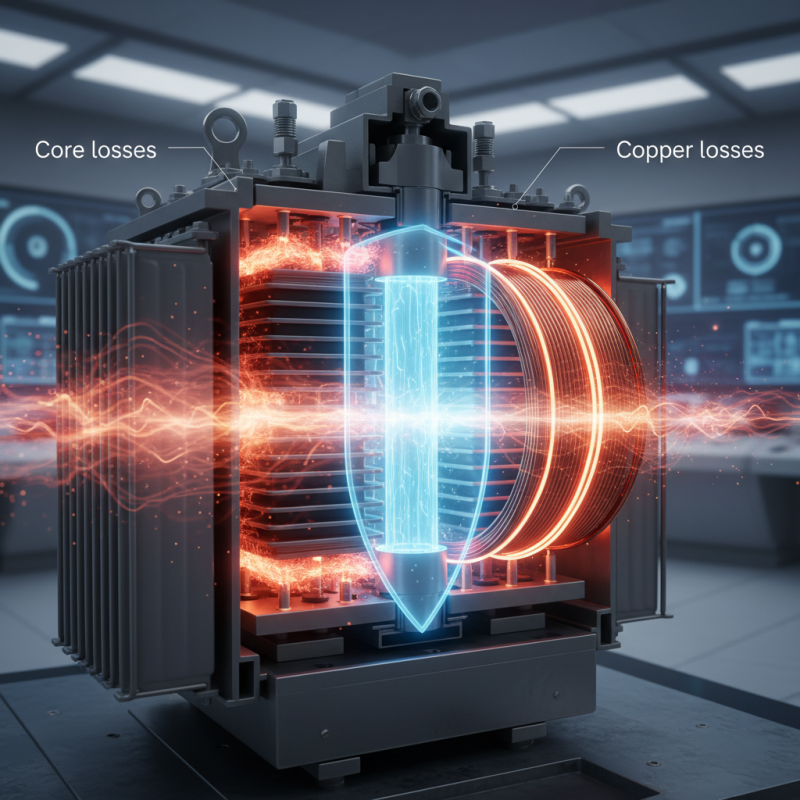
Transformer energy losses occur mainly through two mechanisms: core losses and copper losses. Core losses happen due to magnetization, while copper losses arise from current flowing through the windings. These losses contribute significantly to energy waste and affect performance. By recognizing these factors, companies can implement targeted solutions to reduce inefficiencies.

Addressing transformer energy losses requires an in-depth analysis and practical strategies. For instance, using high-efficiency materials and optimizing design can minimize these losses. However, there is often a gap between theoretical knowledge and real-world applications. It’s crucial for industry professionals to continuously reflect on their practices and aim for improvement to truly understand transformer energy losses.
What is Transformer Energy Losses and How to Minimize Them?

Understanding Transformer Energy Losses: Key Concepts and Definitions

Transformer energy losses refer to the inefficiencies that occur during the conversion of electrical energy. These losses mainly consist of core losses and copper losses. Core losses arise from the magnetization and demagnetization processes in the transformer's iron core. According to a report by the International Energy Agency, core losses can account for up to 20% of the total losses in a typical transformer.

Copper losses occur due to resistance in the windings, causing energy dissipation as heat. This is more pronounced under full load conditions, leading to efficiency reductions. The U.S. Department of Energy states that optimizing the design of transformer windings and using higher-quality materials can reduce copper losses significantly. Conducting regular maintenance checks helps identify inefficiencies early, ensuring better operational performance.

Energy losses in transformers present a continuous challenge. While advancements exist, such as improved core materials and winding techniques, the industry still grapples with outdated installations. Many facilities still operate older transformers that do not meet current energy standards. Awareness of these inefficiencies can drive improvements, but often, financial constraints limit upgrades. Addressing these issues requires a balance between technological investment and practical feasibility.

Types of Transformer Losses: Core Losses vs. Copper Losses Explained

Transformers are essential in electrical systems. They convert voltage levels for efficiency. However, they experience losses that affect performance. Two primary types of transformer losses are core losses and copper losses.

Core losses occur in the transformer's magnetic core. These losses arise from hysteresis and eddy currents. Hysteresis losses are caused by the magnetic properties of the core material. Eddy current losses result from induced currents within the core, wasting energy as heat. Using high-quality core materials can reduce these losses, but costs may rise.

Copper losses, on the other hand, occur in the winding conductors. These losses happen due to the resistance of the wires when current flows through them. The higher the load, the greater the copper losses. Properly sizing the conductors and ensuring good connections can minimize these losses, yet it may require careful consideration of installation practices. Balancing these various factors can lead to more efficient transformer operation and prolonged lifespan.

Quantifying Energy Losses: Statistical Data on Transformer Efficiency

Transformers play a crucial role in electrical systems. They convert high voltage to low voltage and vice versa. However, energy losses during this process can be significant. These losses occur mainly due to resistance in coils, core losses, and stray losses. Accurately quantifying these losses helps improve overall efficiency.

Statistical data indicates that typical transformer efficiency ranges from 95% to 98%. However, these numbers can vary based on design and operating conditions. In practical terms, a transformer operating at 98% efficiency may still waste up to 2% of the input energy. This inefficiency can lead to substantial energy waste over time, especially in large-scale operations.

To minimize these losses, regular maintenance and careful design are key. Utilizing better materials for cores can reduce energy waste. Furthermore, optimizing loading conditions can enhance performance. It’s worth considering that despite advancements, there often remains room for improvement. Continuous efforts in research and development are essential for achieving more sustainable energy use in transformers.

Quantifying Energy Losses: Statistical Data on Transformer Efficiency

Transformer Type Rated Power (kVA) No-Load Losses (W) Load Losses (W) Total Losses (W) Efficiency (%)
Oil-Immersed Transformer 1000 200 1500 1700 98.5
Dry-Type Transformer 500 150 800 950 97.5
Distribution Transformer 315 120 600 720 98.2
Station Transformer 2000 300 1800 2100 98.2

Strategies to Minimize Transformer Energy Losses: Best Practices and Technologies

Transformer energy losses can significantly impact operational efficiency. These losses primarily stem from two sources: core losses and copper losses. According to the International Energy Agency (IEA), transformers can account for up to 15% of a utility's energy consumption. This highlights the importance of minimizing these losses to enhance overall system performance.

Several best practices exist to address transformer energy losses. One effective strategy includes regular maintenance, which can reduce losses by up to 10%. Keeping the transformer cool reduces resistance and helps maintain efficiency. Utilizing high-quality materials, such as amorphous steel for cores, can decrease core losses significantly. Reports indicate that using such materials can lead to energy savings of around 30% compared to traditional steel. Additionally, implementing smart monitoring systems can facilitate real-time analysis and adjustments, further improving performance.

Investing in advanced technologies, like enhanced insulation systems, also proves beneficial. These improve thermal performance and reduce wear over time. However, not all facilities adopt these innovations due to budget constraints or lack of awareness. Regular audits and training can help identify potential improvements. Recognizing and addressing underlying issues can lead to substantial long-term savings, ensuring better energy management practices.

Transformer Energy Losses and Strategies to Minimize Them

This chart illustrates the different types of energy losses associated with transformers, measured in kilowatts (kW). No-load losses are constant and occur even when the transformer is not supplying load, while load losses occur due to resistance in the windings under load conditions. Stray losses include losses due to leakage currents, and additional losses can arise from various other factors. Understanding these categories helps in effectively minimizing transformer energy losses.

Impact of Design and Maintenance on Energy Loss Reduction in Transformers

Transformer energy losses can significantly impact the efficiency of electrical systems. Designing transformers with optimal materials can reduce these losses. Core design is crucial. Using high-grade silicon steel minimizes hysteresis losses. Additionally, proper winding techniques can lower copper losses. Many facilities overlook these aspects, leading to increased operational costs.

Regular maintenance is vital for energy efficiency. Poorly maintained transformers can suffer from insulation degradation. This not only increases losses but also risks unexpected failures. Innovative diagnostic tools can identify issues early. Routine inspections should include thermal imaging to detect hotspots. However, maintenance is often neglected due to budget constraints.

Training personnel on best practices is essential. Knowledgeable staff can implement effective maintenance strategies. Yet, many engineers may lack experience with advanced techniques. This gap can lead to missed opportunities for improvement. Investing in continuous education can bridge this gap. Ultimately, proactive design and maintenance strategies are key to minimizing energy losses in transformers.

FAQS

: What are transformer energy losses?

: Transformer energy losses occur during the conversion of electrical energy, primarily consisting of core and copper losses.

What causes core losses in transformers?

Core losses arise from the magnetization and demagnetization processes in the transformer's iron core.

How much do core losses contribute to total losses?

Core losses can account for up to 20% of the total losses in a typical transformer.

What are copper losses and when do they occur?

Copper losses result from resistance in windings, leading to energy dissipation as heat, especially under full load.

How can transformer efficiency be improved?

Regular maintenance, high-quality materials, and optimized design can significantly enhance transformer efficiency.

What is a typical range for transformer efficiency?

Typical transformer efficiency ranges from 95% to 98%, but some energy is still wasted.

How can facilities minimize transformer energy losses?

Implementing regular maintenance and using better materials like amorphous steel can help reduce losses significantly.

What role does smart monitoring play in transformer performance?

Smart monitoring facilitates real-time analysis, allowing for adjustments that improve operational performance.

What are the challenges in upgrading older transformers?

Many facilities face financial constraints and operate outdated transformers that do not meet current energy standards.

Why is continuous improvement necessary for transformer systems?

Despite advancements, there's often room for improvement, and ongoing research is vital for sustainable energy use.

Conclusion

Understanding Transformer Energy Losses is crucial for optimizing the efficiency of electrical systems. Transformer losses primarily fall into two categories: core losses, which occur due to the magnetic properties of the transformer’s core, and copper losses, resulting from the resistance in the winding conductors. Quantifying these losses is important, as statistical data highlights the impact of efficiency on overall energy consumption.

To mitigate these losses, various strategies and best practices can be employed, including selecting high-quality materials and implementing advanced technologies in transformer design. Additionally, regular maintenance plays a pivotal role in ensuring that transformers operate at peak efficiency. By focusing on effective design and upkeep, energy loss in transformers can be significantly reduced, leading to more sustainable energy management practices.

Amelia

Amelia

Amelia is a seasoned marketing professional with a wealth of expertise in our company’s core offerings. With an unwavering passion for driving growth and innovation, she plays a pivotal role in shaping our marketing strategies and enhancing brand visibility. A key aspect of her responsibilities......