Tanaka Electric Tanaka Electric

Top 10 Tips for Power Transformer Cooling System Maintenance?

Time:2026-07-30 Author:Liam
0%

Maintaining the efficiency of power transformer cooling systems is critical for operational reliability. Effective Power Transformer Cooling System Maintenance helps prevent overheating, which can lead to equipment failure. A well-maintained cooling system enhances transformer longevity and overall performance.

Over time, various factors can compromise cooling system efficiency. Dust accumulation, fluid degradation, and mechanical wear can pose significant risks. Regular inspections can identify these issues early. Awareness of common pitfalls is vital. Neglecting routine maintenance can result in costly repairs and downtime.

Understanding specific cooling requirements is also important. Each power transformer may have unique specifications that need attention. Also, staff training and proper documentation of maintenance practices can greatly improve system reliability. Striking a balance between efficiency and thoroughness in maintenance allows for a sustainable cooling solution. Prioritizing Power Transformer Cooling System Maintenance reduces risks and enhances performance.
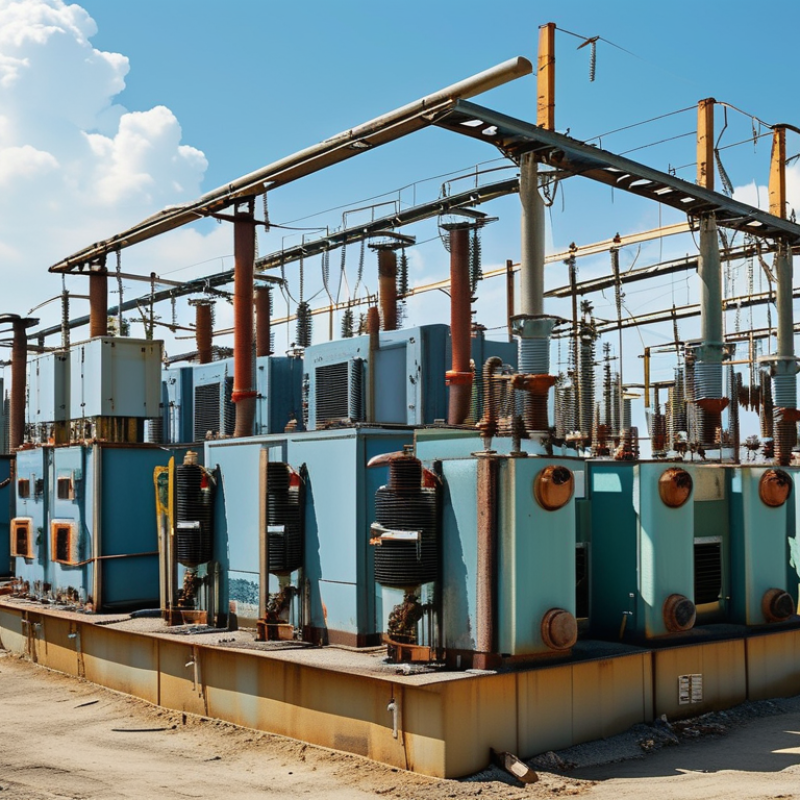
Top 10 Tips for Power Transformer Cooling System Maintenance?

Understanding the Importance of Cooling Systems in Power Transformers

Cooling systems play a critical role in the operation of power transformers. Designed to disperse excess heat, these systems help maintain optimal temperature levels. A well-functioning cooling system can enhance the lifespan of a transformer by 15-20%. According to the IEEE, approximately 35% of transformer failures relate to heat-related issues. This statistic highlights the necessity for regular maintenance and monitoring of cooling mechanisms.

Power transformers operate at high voltages and currents, generating substantial heat. Without adequate cooling, components can overheat, leading to insulation breakdown and potential failures. A report by the Electric Power Research Institute reveals that effective cooling can reduce maintenance costs by up to 25%. Regular inspections of pumps, fans, and coolant levels are essential to avoid overheating and unexpected downtime.

Furthermore, many utilities struggle with outdated equipment, making it even more crucial to assess cooling systems. A thorough evaluation can identify areas needing upgrades or repairs. For example, a slight malfunction in a cooling fan can significantly impact the transformer’s thermal performance. Industry experts suggest implementing a continuous monitoring system to keep track of cooling efficiency. This proactive approach can prevent minor issues from escalating into costly repairs.

Common Types of Cooling Systems Used in Power Transformers

Power transformers require efficient cooling to operate safely and reliably. Various cooling systems can be employed to manage the heat produced during operation. One common method is oil-based cooling, which utilizes transformer oil to absorb heat and dissipate it through radiators. This type of system is widely used due to its effectiveness and efficiency.


Another popular option is air cooling, which relies on natural or forced airflow to reduce temperatures. Air-cooled systems tend to be simpler and less expensive, but they may not be suitable for all environments.


Water cooling is also used, particularly for larger transformers. This system circulates water to remove heat, often utilizing cooling towers to disperse heat into the atmosphere.


Regular maintenance of these cooling systems is crucial. Neglected systems can lead to overheating, which may damage the transformer. Issues such as oil leaks or airflow obstructions can occur but may go unnoticed without proper inspections. Implementing a routine maintenance schedule can help identify problems early. Balancing the efficiency of these systems with the need for maintenance is essential for optimal performance.

Regular Inspection Protocols for Transformer Cooling Systems

Regular inspection protocols for transformer cooling systems are crucial for ensuring optimal performance. These systems play a key role in preventing overheating and prolonging the life of power transformers. Inspections should be scheduled at consistent intervals, typically every three months. During these inspections, check the coolant levels and look for any signs of leakage.


Routine checks should include assessing the condition of cooling fans and pumps. Listen for unusual noises, as they may indicate potential failures. Inspect all electrical connections to avoid unintentional disruptions. Temperature gauges should be monitored closely, ensuring they are functioning correctly. Keep an eye on the ambient temperature around transformers; excess heat can lead to serious problems.


Regular maintenance tips include flushing the cooling system to remove contaminants. Use appropriate filters to ensure clean coolant circulation. Document every inspection and maintenance performed. This record is essential for future audits and can highlight recurring issues. Adhering to these practices can help mitigate unexpected failures and improve the reliability of your transformer cooling systems.

Best Practices for Maintaining Fluid Levels and Quality

Maintaining fluid levels and quality in power transformers is crucial. The insulating oil must be kept at optimal levels to ensure effective cooling. According to the IEEE Standards, fluid levels should be monitored regularly. This helps prevent overheating and potential transformer failure. A drop of even 10% in oil volume can reduce cooling efficiency. Regular inspections and timely replenishment of the oil can mitigate this risk.

Fluid quality is equally vital. Contaminants can degrade oil properties. Studies indicate that particles, moisture, and gases can lead to decreased dielectric strength. This poses significant risks for transformer operations. Implementing regular tests to analyze the oil's dielectric strength, moisture content, and acidity can provide critical insight. The American Society for Testing and Materials (ASTM) has established methods for evaluating transformer oil quality. Following these guidelines can help identify potential issues before they escalate.

Routine maintenance schedules should integrate both fluid level checks and quality assessments. Failing to address oil quality can lead to unexpected maintenance costs. A program that focuses on proactive measures fosters long-term reliability. Staying vigilant about both fluid levels and quality will ultimately safeguard transformer performance.

Top 10 Tips for Power Transformer Cooling System Maintenance

Tip No. Tip Description Frequency of Maintenance Recommended Tools
1 Check fluid levels regularly to ensure optimal cooling. Monthly Dipstick, measuring cylinder
2 Inspect cooling system for leaks or corrosion. Quarterly Visual inspection tools
3 Test fluid quality for moisture and contaminants. Biannually Moisture meter, laboratory analysis kit
4 Clean radiators and fans to ensure effective airflow. Annually Brushes, vacuum cleaner
5 Maintain proper temperature settings on cooling fans. Annually Thermometer, multimeter
6 Replace filters and strainers as needed. Every 6 months Replacement filters
7 Monitor and calibrate temperature sensors. Annually Calibrating device
8 Ensure proper installation and operation of coolant pumps. Quarterly Wrench set, alignment tools
9 Monitor operating conditions using SCADA systems. Continuous SCADA software
10 Prepare a maintenance log for tracking performance. Ongoing Maintenance log software

Troubleshooting Common Issues in Transformer Cooling Systems

Transformer cooling systems play a crucial role in maintaining efficiency. Common issues can lead to costly downtimes. Regular checks can help identify these problems early. For instance, overheating often stems from inadequate oil maintenance. According to industry reports, nearly 30% of transformer failures are linked to cooling system malfunctions. Routine oil analysis can detect any abnormalities.

Another frequent issue is poor airflow, often due to blocked vents or damaged fans. This can reduce cooling efficiency significantly. It is essential to inspect cooling fans regularly. Neglecting this can lead to serious operational risks. In fact, research indicates that proper airflow can enhance performance by up to 15%.

Leakage in cooling systems is another common concern. Insufficient coolant levels can impact transformer operation. Addressing leaks promptly is vital, yet many facilities delay this. The consequences can be severe, as up to 20% of transformers may suffer from insulation breakdown as a result. Regular maintenance checks should include coolant level assessments to avoid these pitfalls.

Top 10 Tips for Power Transformer Cooling System Maintenance

FAQS

: What role do cooling systems play in power transformers?

: Cooling systems disperse excess heat to maintain optimal temperature levels in power transformers.

How can a well-functioning cooling system impact a transformer's lifespan?

A good cooling system can enhance a transformer's lifespan by 15-20%.

What percentage of transformer failures is related to heat issues?

Approximately 35% of transformer failures are linked to heat-related problems.

Why is regular maintenance of cooling systems important?

Regular maintenance prevents overheating and unexpected downtime, reducing potential failures.

What are common types of cooling systems for power transformers?

Common systems include oil-based cooling, air cooling, and water cooling.

How does oil-based cooling work?

Oil-based cooling uses transformer oil to absorb heat and dissipate it through radiators.

What challenges do utilities face with cooling systems?

Many utilities struggle with outdated equipment that needs assessment and upgrades.

What can happen if cooling systems are neglected?

Neglected systems may lead to overheating, damaging the transformer.

How can monitoring improve cooling system performance?

Continuous monitoring tracks cooling efficiency, preventing minor issues from becoming costly repairs.

What should be included in a maintenance schedule?

A maintenance schedule should include routine inspections of pumps, fans, and coolant levels.

Conclusion

Power Transformer Cooling System Maintenance is crucial for the efficient operation and longevity of power transformers. This process begins with a proper understanding of the importance of cooling systems, which prevent overheating and ensure reliable performance. Common types of cooling systems, including oil and air cooling, serve distinct functions and require specific maintenance protocols.

Regular inspections are essential to identify potential issues before they escalate. Best practices for maintaining fluid levels and quality involve monitoring and testing regularly to avoid contamination and degradation. In addition, troubleshooting common issues, such as leaks or inadequate cooling, is vital for maintaining optimal performance. By following these guidelines, operators can effectively enhance reliability and prolong the lifespan of power transformers.

Liam

Liam

Liam is a dedicated marketing professional with a profound expertise in the industry, where he excels at highlighting the unique advantages of our core products. With a keen understanding of market trends and consumer needs, Liam frequently updates our company’s professional blog, providing......