Tanaka Electric Tanaka Electric

2026 Top Power Transformer Insulation Materials You Need Guide?

Time:2026-05-22 Author:Henry
0%

In the rapidly evolving power industry, the selection of appropriate insulation materials for transformers is critical. The "Power Transformer Insulation Materials Guide" sheds light on this essential aspect. According to a 2023 report by Global Industry Analysts, the transformer insulation market is projected to reach $14.4 billion by 2026, driven by technological advancements and increased demand for efficient energy solutions.

Choosing the right insulation material can significantly impact performance and longevity. Common materials include pressboard, resin, and paper. Each has unique properties, making them suitable for specific applications. For instance, resin offers excellent dielectric strength. However, it may have limitations in extreme temperatures. Understanding these nuances is vital for informed decision-making.

Data highlights that nearly 95% of transformer failures are linked to insulation breakdown. This statistic underscores the importance of selecting quality materials. While innovations are promising, they often require continuous evaluation to ensure reliability. The complexities of the industry demand a keen focus on both material performance and evolving standards. As we explore the 2026 landscape, this guide will serve as a roadmap for navigating the intricacies of power transformer insulation.
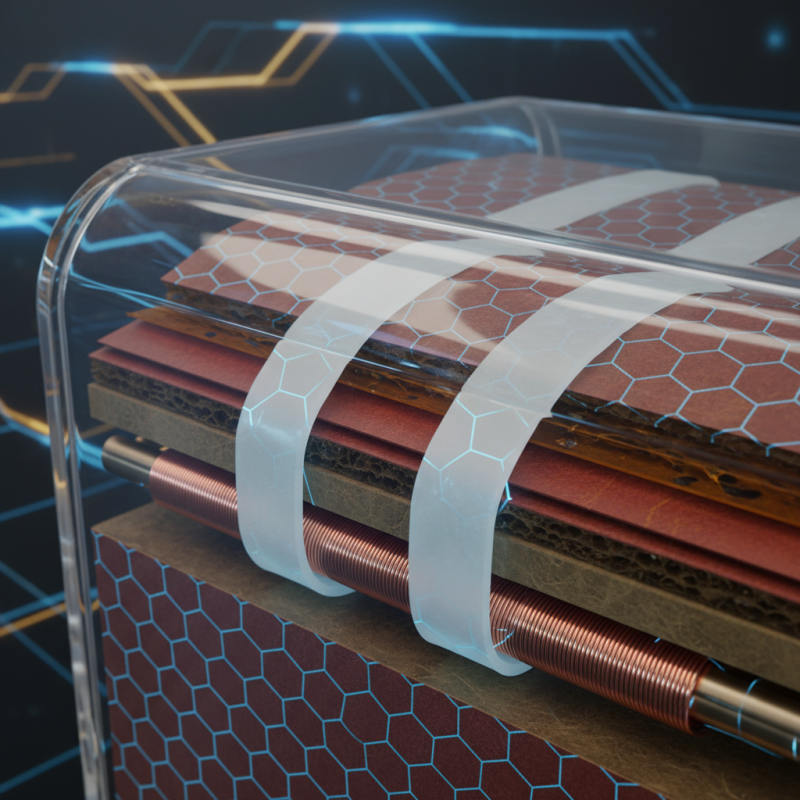
2026 Top Power Transformer Insulation Materials You Need Guide?

Overview of Power Transformer Insulation Materials

Power transformers play a crucial role in energy transmission. The insulation materials used in these transformers significantly impact their performance and longevity. Traditional insulation options like mineral oil have been widely utilized, but recent innovation is shifting toward more sustainable alternatives.

For instance, in a report by the International Energy Agency, it's noted that eco-friendly insulation materials, such as natural esters, are gaining traction. These materials can withstand higher temperatures and reduce fire risks.

Another important aspect is the dielectric strength of insulation materials. Reports indicate that solid insulation materials like cellulose and polymer composites offer high dielectric strength. This factor is essential for maintaining reliability in electric systems.

However, there's a trade-off. While solid materials may resist degradation effectively, they can also pose challenges in terms of heat dissipation. This phenomenon can lead to insulation failure if not monitored closely.

The choice of insulation material affects not only efficiency but also maintenance cycles. Regular assessments are necessary to ensure optimal performance. The complexity of material behavior under various environmental conditions highlights the need for continuous research.

The evolving landscape of insulation options indicates a shift toward more advanced solutions, yet challenges remain in balancing performance, cost, and environmental impact.

Key Properties of Effective Insulation Materials

The effectiveness of insulation materials in power transformers largely hinges on specific key properties. Thermal resistance stands as a critical factor. A higher thermal resistance ensures that the material can withstand elevated temperatures without degrading. According to industry reports, materials with thermal conductivity less than 0.02 W/m·K are optimal for transformers.


Dielectric strength is another essential property. This refers to the material's ability to resist electric breakdown. Reports indicate that materials achieving dielectric strengths above 20 kV/mm are preferred in high-voltage applications. The moisture absorption rate must also be low to prevent deterioration. Insulation materials with a water absorption rate below 1% are desirable, enhancing reliability.


However, the selection is not without challenges. Some high-performance materials are expensive, posing budget constraints. There's also a need for ongoing testing to ensure longevity, as the lifespan of insulation can vary significantly. Industry studies suggest that regular monitoring can extend the service life of power transformers. Thus, balancing material cost, performance, and monitoring protocols is crucial for achieving effective insulation.

Types of Insulation Materials Used in 2026

When selecting insulation materials for power transformers in 2026, a variety of options exist. Traditional materials like paper and oil remain popular. They offer good dielectric strength and thermal stability. However, they are less environmentally friendly and require careful handling. Alternative materials, such as resin and silicone, are gaining traction due to their superior performance and reduced environmental impact.

Polymer-based insulations have emerged as a game changer. They provide excellent thermal resistance and moisture retention. Another advantage is their lightweight nature, making installation easier. However, longevity and performance can vary based on environmental conditions. Advances in nanotechnology are also introducing innovative solutions, but the costs can be prohibitive.

The choice of insulation material should consider many factors. These include operating temperatures, potential hazards, and environmental regulations. Reliability is paramount, but the decision-making process can be complex. Each option has strengths and weaknesses. A thorough assessment can help identify the best solution. Balancing performance with sustainability is essential in today's energy landscape.

2026 Top Power Transformer Insulation Materials

Innovative Developments in Insulation Technology

Innovative developments in insulation technology are transforming the power transformer industry. Advanced materials are being explored to enhance dielectric strength and thermal performance. These improvements lead to increased efficiency and reliability in power systems. Engineers are now focusing on eco-friendly materials, as sustainability is becoming a priority.

Tips: Always consider the operational environment when selecting insulation materials. Different conditions may require specific properties.

Recent innovations include nanocomposite materials. These materials provide superior insulation properties while being lightweight. The use of such materials can significantly reduce the overall weight of transformers, making installation easier. However, the long-term performance of these newer materials must be monitored closely. Their durability in extreme conditions remains an area for further research.

Tips: Regular testing and assessment of insulation materials can prevent potential failures. Don’t overlook routine maintenance.

The challenge lies in integrating these advanced materials into existing designs. Compatibility with current systems can be a concern. Ensuring optimal performance while adapting to new technologies requires careful planning and testing. Innovations must be validated through rigorous testing to prove their reliability.

Standards and Best Practices for Insulation Selection

When selecting insulation materials for power transformers, compliance with industry standards is crucial. The International Electrotechnical Commission (IEC) sets guidelines for electrical insulation, ensuring safety and efficiency. Many manufacturers adhere to IEC 60076, which covers transformers. This standard emphasizes the importance of dielectric strength and thermal stability in insulation materials.

Data from the IEEE, released in 2021, indicates that up to 70% of transformer failures stem from insulation issues. Proper material selection can mitigate these risks. Materials like mineral oil, cellulose, and thermoplastic polymers have proven effective. Yet, the ideal choice depends on the operating environment and expected load.

Best practices recommend regular inspections and adherence to maintenance schedules. Ignoring these aspects can lead to significant failures. Further, new technologies are emerging, such as nanomaterials, showing promise but requiring extensive testing. Balancing innovation with reliability is essential in insulation material selection.

FAQS

: What role do insulation materials play in power transformers?

: Insulation materials are crucial for performance and longevity in power transformers.

What are some traditional insulation materials used?

Mineral oil is a common traditional insulation material.

Why are eco-friendly insulation materials becoming popular?

Eco-friendly materials like natural esters withstand high temperatures and reduce fire risks.

How does dielectric strength impact reliability?

High dielectric strength in insulation materials ensures reliable performance in electric systems.

What challenges do solid insulation materials present?

While effective against degradation, solid materials may struggle with heat dissipation.

Why is regular assessment of insulation materials necessary?

Regular maintenance helps ensure optimal performance and prevent insulation failure.

What new materials are being explored for insulation?

Nanocomposite materials are innovative options providing lightweight and superior insulation properties.

How can operational environment affect material choice?

Different environmental conditions may necessitate specific properties in insulation materials.

What must be considered when integrating advanced materials?

Compatibility with existing designs is crucial for ensuring optimal performance.

How can potential failures be prevented?

Regular testing and maintenance of insulation materials are vital to avoid issues.

Conclusion

The "Power Transformer Insulation Materials Guide" provides a comprehensive overview of the essential insulation materials required for power transformers in 2026. It highlights the key properties that make insulation materials effective, such as thermal stability, dielectric strength, and moisture resistance. Additionally, the guide categorizes various types of insulation materials currently in use, focusing on advancements that have emerged in the industry.

Furthermore, the guide delves into innovative developments in insulation technology that promise enhanced performance and longevity. It also outlines the standards and best practices for insulation selection, ensuring that professionals can make informed choices to optimize transformer efficiency and reliability. Overall, this guide serves as a vital resource for anyone involved in the selection and application of power transformer insulation materials.

Henry

Henry

Henry is a dedicated marketing professional with a profound expertise in the company's offerings. With years of experience in the industry, he possesses an impressive understanding of the market dynamics and consumer behaviors that drive success. Henry is committed to sharing his insights through......