 Tanaka Electric
Tanaka Electric
Tanaka Electric
The energy landscape is constantly evolving. Power efficiency is crucial for sustainable development. Power transformer efficiency improvement strategies are essential for reducing energy losses. These strategies tackle various challenges in the power sector.
Transformers play a vital role in power transmission. They help in maintaining voltage levels across vast distances. However, their efficiency is often limited by material and design. Improving their performance requires a deep understanding of technology and operational practices.
Innovative strategies can enhance transformer efficiency significantly. This can lead to reduced operational costs and improved reliability. Awareness of these strategies is invaluable for engineers and industry professionals. By adopting these practices, the future of energy management can be more sustainable and effective.
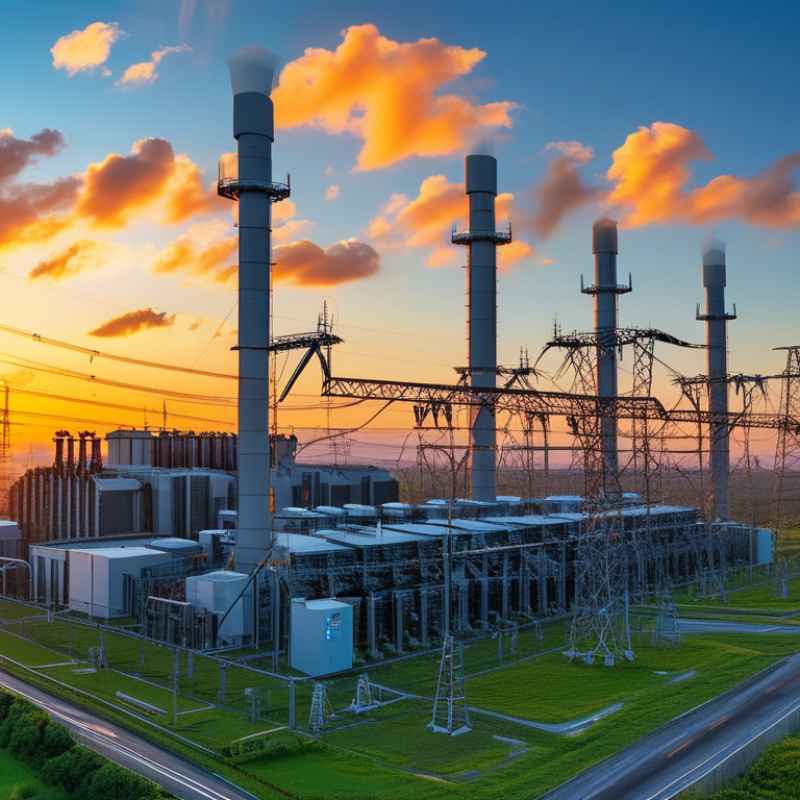
Power transformers play a crucial role in the transmission of electricity, yet they face significant efficiency challenges. According to a report by the IEEE, the average efficiency of power transformers in operation ranges from 95% to 99%. However, around 5% of energy is lost due to heat dissipation and core losses. This is particularly problematic in aging transformers, where losses can exceed expected thresholds.
One major challenge is the design and materials used in transformers. Many older transformers utilize silicon steel, which is less efficient compared to newer materials such as amorphous steel. A study from the Electric Power Research Institute estimated that using amorphous steel can reduce core losses by 30% or more. Additionally, environmental factors such as temperature fluctuations can adversely affect efficiency, leading to further energy loss. High temperatures can increase resistance in the windings, causing additional challenges for operators.
Regular maintenance also plays a pivotal role in maintaining high efficiency. Insulation degradation over time leads to increased losses. The North American Electric Reliability Corporation emphasizes that proactive maintenance can prevent a decline in transformer performance. The need for advanced monitoring systems has also grown. These systems help detect anomalies early, providing operators with data to make informed decisions. Recognizing these challenges can guide the industry toward implementing effective efficiency improvement strategies.
| Strategy | Description | Potential Efficiency Gain (%) | Implementation Difficulty (1-5) |
|---|---|---|---|
| Use of High-Performance Insulation Materials | Applying advanced insulation materials reduces losses in the transformer. | 5% | 3 |
| Implementing Smart Monitoring Systems | Real-time monitoring to optimize operation and detect issues early. | 4% | 4 |
| Regular Maintenance and Upkeep | Scheduled maintenance ensures optimal conditions and identifies wear. | 7% | 2 |
| Upgrade to Higher Efficiency Designs | Use design improvements to enhance the performance of transformers. | 10% | 5 |
| Cooling System Enhancements | Improved cooling mechanisms prevent overheating and increase efficiency. | 6% | 4 |
| Phase Shifting Transformers | Utilizing phase shifting technology to reduce losses during transmission. | 8% | 5 |
| Load Management Techniques | Adjusting load levels to match efficient operating points. | 6% | 3 |
| Dynamic Reactive Power Compensation | Improving power quality through reactive power adjustments. | 5% | 4 |
| Transformer Life Extension Technologies | Technologies designed to prolong the operational life of transformers. | 4% | 3 |
| Implementation of Energy Management Systems | Systems that optimize energy consumption across operations. | 9% | 4 |
: The average efficiency usually ranges from 95% to 99%.
Around 5% of energy is lost due to heat dissipation and core losses.
Aging transformers may exceed expected loss thresholds, making them less efficient.
Older transformers often use silicon steel, which is less efficient than newer materials.
Amorphous steel can reduce core losses by 30% or more compared to traditional materials.
Insulation degradation can increase losses; regular maintenance helps maintain high efficiency.
They detect anomalies early, allowing operators to make informed decisions and prevent issues.
Advanced heat exchangers effectively transfer heat away, reducing overheating risks.
PCMs absorb and release thermal energy, helping maintain stable transformer temperatures.
They can be complex, requiring regular maintenance checks to avoid potential failures.
In addressing the crucial topic of Power Transformer Efficiency Improvement Strategies, it is essential to acknowledge the various challenges that affect transformer performance. These challenges often stem from outdated materials, inadequate heat management, and insufficient real-time monitoring capabilities. To combat these issues, the adoption of advanced materials can significantly enhance transformer performance, while innovative cooling techniques are vital for optimal thermal management.
Furthermore, implementing smart monitoring systems allows for real-time efficiency optimization, ensuring transformers operate at their best. Consistent and regular maintenance practices also play a crucial role in sustaining transformer efficiency over time. By integrating these strategies, utilities and facilities can effectively improve their power transformer efficiency, leading to reduced energy losses and enhanced operational reliability.
