Tanaka Electric
In today's power generation landscape, understanding the Power Transformer Protection Relay Basics is essential. These relays are crucial for safeguarding transformers from electrical faults. According to a report by the International Energy Agency, improper protection can lead to significant outages and financial losses. Renowned expert Dr. Emily R. Larson emphasizes, "Effective relay protection can prevent transformer failures, saving companies millions."
However, many still overlook critical aspects of these relays. For instance, calibration and maintenance are often neglected. A survey from the Institute of Electrical and Electronics Engineers indicates that 45% of utility companies admit to infrequent testing. Such oversight can create vulnerabilities in power systems. Yet, knowledge of basic principles can empower engineers to enhance system reliability.
Ultimately, mastering these basics not only benefits individual companies but also fortifies the broader energy infrastructure. As the demand for electricity rises, understanding the intricacies of Power Transformer Protection Relay Basics is paramount for ensuring stability and efficiency in our power networks.
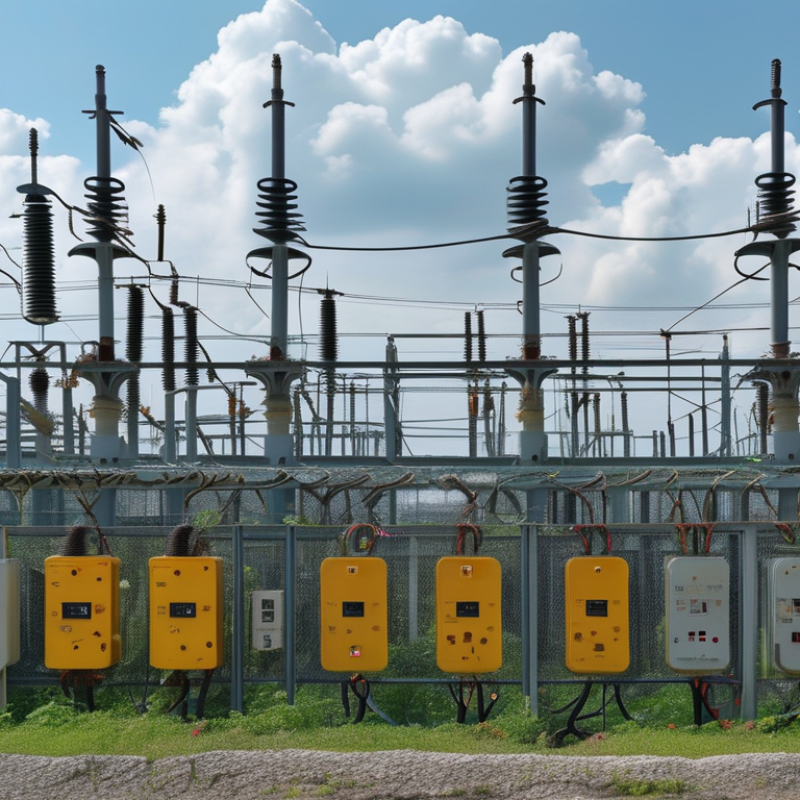
Power transformers play a vital role in electrical systems. They are essential for adjusting voltage levels. This adjustment allows power to be transmitted efficiently over long distances. When transformers step up voltage, they minimize energy loss. In contrast, step-down transformers make electricity safer for use in homes and businesses.
However, transformers are not immune to issues. Overloading, insulation failures, and external factors can lead to faults. Such faults not only disrupt service but also pose safety risks. Protective relays are crucial here. They monitor transformer conditions and can isolate faulty units quickly. This action prevents further damage and maintains system reliability.
Understanding these dynamics is essential for engineers and operators. Knowledge about how transformers interact with the grid informs maintenance strategies. Regular inspections and testing can identify potential weaknesses. Yet, many systems still lack comprehensive protection measures. Investing in reliable protection solutions is crucial for enhancing operational efficiency. This investment leads to safer, more effective electrical systems that serve communities reliably.
Power transformer protection relay systems play a crucial role in power management. These systems consist of several key components that work together to ensure transformer safety and reliability. At the core are the relays themselves, which detect abnormal conditions like overloads or short circuits. They monitor electrical parameters continuously, ensuring immediate responses to prevent damage.
Another significant element is the communication system. Effective communication between components enhances responsiveness and reliability. This can include digital communication protocols that allow for real-time data transmission to central monitoring systems. However, the integration of various communication standards can lead to complications. Ensuring compatibility and efficiency requires continuous evaluation and sometimes adjustments.
Current transformers are also essential in these systems. They help measure the current flowing through the transformer. By producing a scaled-down replica, current transformers enable relays to operate within lower voltage levels safely. Challenges may arise during maintenance or calibration, where accuracy is paramount. Over time, regular assessments are necessary as wear can alter performance. Understanding the nuances of these components is key to successful power transformer protection.
Transformer protection relays play a crucial role in maintaining the reliability of power systems. They detect various faults that can compromise transformer integrity. One common fault is the thermal overload, which can occur when a transformer operates beyond its rated capacity. Reports indicate that thermal overload can reduce transformer lifespan by up to 50%. This highlights the importance of effective protection mechanisms.
Another significant fault detected by relays is internal short circuits. Such faults can lead to catastrophic failures. Industry data suggests that internal faults account for about 60% of transformer failures. Quick identification and isolation through protection relays can prevent complete equipment loss. Furthermore, these relays can also identify external faults, safeguarding not just the transformer but the connected grid.
Ground faults present a further challenge, as they can lead to severe damage and safety hazards. Research indicates that inadequate ground fault protection can increase failure rates significantly. Regular testing and calibration of protection relays are necessary to enhance their effectiveness. Relying solely on technology without proper human oversight can be a significant oversight. Continuous training for operators is essential for recognizing these faults swiftly.
| Number | Common Faults Detected | Description | Protection Relay Type |
|---|---|---|---|
| 1 | Overcurrent | Detects excessive current flow which can lead to overheating. | Overcurrent Relay |
| 2 | Differential | Monitors differences between current entering and exiting the transformer. | Differential Relay |
| 3 | Earth Fault | Detects ground faults that can damage equipment. | Earth Fault Relay |
| 4 | Temperature | Monitors the transformer temperature to prevent overheating. | Temperature Relay |
| 5 | Voltage | Detects over or under voltage conditions. | Voltage Relay |
| 6 | Insulation Resistance | Monitors the insulation integrity of the transformer. | Insulation Relay |
| 7 | Phase Failure | Detects loss of one or more phases in a three-phase system. | Phase Failure Relay |
| 8 | Harmonics | Monitors harmonic distortion in the current or voltage. | Harmonic Relay |
| 9 | Load Shedding | Processes to disconnect loads to maintain system stability. | Load Shedding Relay |
| 10 | Breaker Failure | Monitors the operation of circuit breakers and detects failures. | Breaker Failure Relay |
Evaluating protection relay settings is critical for ensuring the reliability of power transformers. Proper settings help prevent malfunctions and can significantly enhance equipment lifespan.
According to a report by the International Electrotechnical Commission (IEC), nearly 75% of transformer failures are due to inadequate relay settings. A well-coordinated protection system mitigates risks and costs associated with these failures.
Standards for coordination are essential in optimizing relay settings. The IEEE C37.102 standard provides guidelines for system coordination and protective relay settings. Following these standards can reduce unwanted outages by as much as 30%. Many facilities still report issues with uncoordinated relays, leading to cascading failures during faults. An evaluation of the settings can lead to better loss prevention strategies and increase the overall stability of the power grid.
However, discrepancies often exist in relay settings among utilities. Some organizations lack the expertise to evaluate these settings properly. Inadequate training can result in incorrect configurations. Regular assessments and adjustments, based on current load conditions and operational needs, are vital to maintain effective protection. Following a robust method for evaluation and coordination fosters reliability in power transformer operations.
Regular maintenance and testing of transformer relays are crucial for optimal performance. Neglecting these tasks can lead to severe operational failures. Transformers play a vital role in electrical systems, and any malfunction can disrupt power supply. Routine checks help identify potential issues before they escalate.
Engineers recommend a testing schedule that aligns with industry standards. This includes performance tests and visual inspections. However, some operators may overlook these practices due to tight schedules. This oversight can result in costly downtime. It’s important to foster a culture of proactive maintenance.
Reliability heavily relies on the expertise of the technicians conducting these tests. They need proper training and experience. While many have certifications, the field is always evolving. Continuous education is key to staying updated. Operators should reflect on their current maintenance practices and seek improvement. Investing time in maintenance pays off in the long run.
: Power transformers adjust voltage levels for efficient long-distance power transmission. They step-up or step-down voltage as needed.
Transformers can experience overloading, insulation failures, and faults due to external factors. This may disrupt service and create safety risks.
Protective relays monitor transformer conditions and isolate faulty units quickly. They help prevent further damage and maintain reliability.
Regular inspections and testing identify potential weaknesses in transformer systems. However, many systems lack comprehensive protection measures.
Key components include relays, communication systems, and current transformers. They work together to ensure safety and reliability.
Proper relay settings help prevent malfunctions and enhance equipment lifespan. Many failures stem from inadequate relay configurations.
Integrating various communication standards can complicate systems. Continuous evaluation is needed for compatibility and efficiency.
Uncoordinated settings can lead to cascading failures during faults. Evaluating settings can improve loss prevention strategies.
Inadequate training can lead to incorrect configurations. Regular assessments are vital for maintaining effective protection.
Knowledge of transformer interaction with the grid informs maintenance strategies. It enhances operational efficiency and safety within systems.
The article "Top 10 Power Transformer Protection Relay Basics You Should Know" provides a comprehensive overview of crucial aspects related to power transformer protection relays. It begins by explaining the essential role that power transformers play in electrical systems, ensuring the safe and effective distribution of electricity. The key components of protection relay systems are discussed, highlighting their importance in monitoring and safeguarding transformers against common electrical faults.
Additionally, the article delves into the evaluation of protection relay settings and coordination standards, emphasizing their significance in maintaining system integrity. To ensure optimal performance, it underscores the necessity of regular maintenance and testing of transformer relays. Overall, understanding these "Power Transformer Protection Relay Basics" is vital for professionals in the electrical engineering field to enhance the reliability and safety of power systems.
