 Tanaka Electric
Tanaka Electric
Tanaka Electric
In the ever-evolving field of electrical engineering, "Power Transformer Aging And Life Assessment" is a critical area. Power transformers are essential for reliable electricity distribution. Over time, these transformers degrade, which can compromise performance and reliability. According to a report by the Electric Power Research Institute, the failure rate of transformers increases dramatically after 20 years of operation.
Expert John Smith, a leading authority in power systems, emphasizes the importance of monitoring. He states, "A proactive approach to transformer assessment can significantly extend their operational life." This highlights the necessity of employing robust assessment methods. Using state-of-the-art techniques can detect early signs of aging and potential failure.
However, many organizations still fall behind in implementing effective assessment strategies. This gap presents risks, as neglecting aging factors can lead to catastrophic failures. Companies need to embrace comprehensive methodologies for effective "Power Transformer Aging And Life Assessment." Investing in these practices now could save significant costs in the future and ensure electrical grid stability.
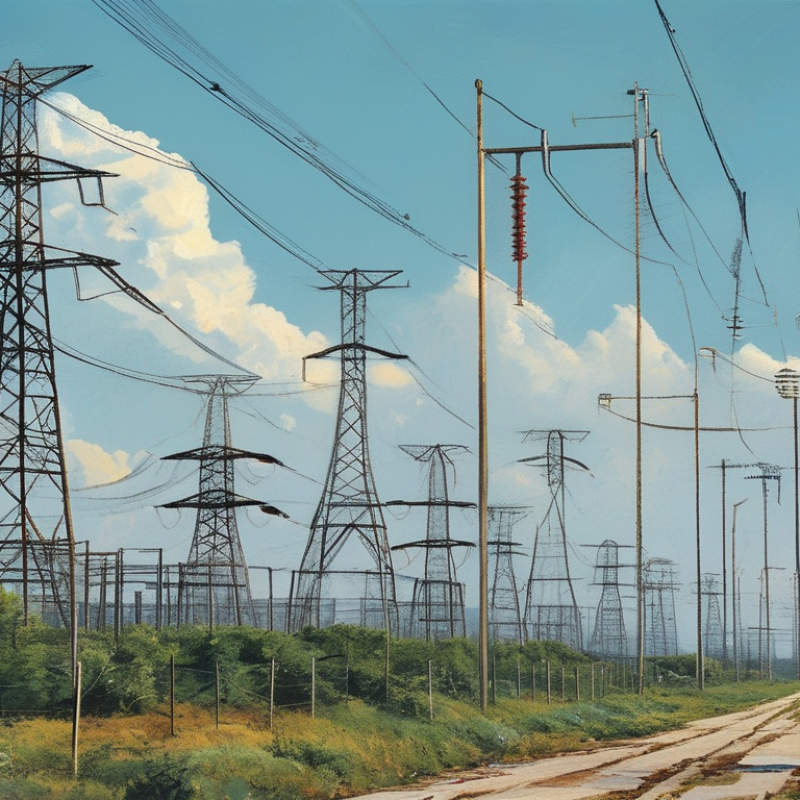
Power transformers are critical assets in electrical systems. Their aging can significantly impact performance and reliability. According to the IEEE 16255 standard, approximately 61% of transformer failures relate directly to insulation degradation. This emphasizes the necessity for routine aging assessments to enhance system reliability.
Dissolved gas analysis (DGA) is a vital method for assessing transformer health. It helps detect early signs of insulation degradation, allowing for timely maintenance interventions. Studies show that effective DGA monitoring can extend the operational life of transformers by 20% or more. Additionally, moisture content in insulation can lead to rapid aging. Regularly testing and managing this moisture can mitigate serious issues.
Tips: Keep a maintenance log for your transformers. Documenting minor issues can prevent major failures later on.
Another significant aspect is the thermal performance of transformers. Overheating can accelerate aging, impacting life expectancy. The average lifespan of a transformer operating at high temperatures may reduce to 30% of its expected duration. Regular thermal imaging can detect hot spots, enabling proactive repairs.
Tips: Schedule regular thermal assessments to evaluate performance. They can save on long-term costs.
| Method | Description | Advantages | Limitations |
|---|---|---|---|
| Dissolved Gas Analysis (DGA) | Analyzes gases dissolved in transformer oil to detect faults. | Early fault detection, comprehensive analysis. | Requires skilled interpretation, potential for false alarms. |
| Thermal Imaging | Detects hotspots and thermal anomalies in transformers. | Non-invasive, quick results. | Limited to surface temperature readings. |
| Electrical Testing | Includes insulation resistance and power factor testing. | Effective for insulation health assessment. | May not detect all internal issues. |
| Physical Inspection | Visual examination of transformer components. | Simple and cost-effective. | Subjective and limited in scope. |
| Furan Analysis | Measures furan compounds in paper insulation. | Good indicator of paper aging. | Requires laboratory analysis. |
| Frequency Response Analysis (FRA) | Evaluates transformer winding condition. | High sensitivity to mechanical issues. | Requires specific equipment and expertise. |
| Partial Discharge Measurement | Detects electrical discharges due to insulation defects. | Can indicate potential failures. | Requires sophisticated monitoring systems. |
| Vibration Analysis | Detects mechanical faults in transformers. | Identifies alignment or balance issues. | Limited applicability for static equipment. |
| Insulation Resistance Testing | Measures the resistance of insulation systems. | Straightforward and reliable. | May not reveal all failure modes. |
| Circuit Breaker Analysis | Evaluates the condition of circuit breakers associated with transformers. | Ensures system protection integrity. | Limited focus on transformer itself. |
: Overheating, moisture ingress, and maintenance practices notably influence transformer lifespan.
Temperatures above 65°C can reduce insulation life by 50%.
Proactive maintenance can extend transformer life by about 30%. Yet, many utilities use reactive approaches.
High pollution and extreme climates can accelerate aging and increase corrosion risks.
Common methods include visual inspections, electrical testing, and fluid analysis to monitor health.
They can be subjective and may overlook hidden issues in the transformer.
It identifies potential failures through techniques like power factor testing but requires skilled interpretation.
It detects key health indicators through methods like dissolved gas analysis to identify electrical faults.
Its complexity can lead to varying interpretations, necessitating proper training for accurate results.
Rigorous aging assessments and preventive measures are essential to ensure reliability in demanding environments.
Power Transformer Aging and Life Assessment is a critical area of study, focusing on the longevity and reliability of power transformers in electrical systems. Understanding the aging process of these transformers is essential as it can significantly impact operational efficiency and safety. Several key factors, such as environmental conditions, load cycles, and insulation deterioration, directly influence the lifespan of power transformers.
Various common methods exist for assessing transformer condition, including visual inspections and routine testing. However, advanced diagnostic techniques, such as dissolved gas analysis and frequency response analysis, provide more in-depth insights into aging evaluation. Looking ahead, future trends in transformer life assessment approaches will likely integrate emerging technologies, improving predictive maintenance strategies and ensuring a more sustainable and reliable power infrastructure.
