 Tanaka Electric
Tanaka Electric
Tanaka Electric
In today's energy-driven world, power transformers play a critical role in delivering electricity efficiently. Understanding "How To Extend Power Transformer Lifespan" is essential for utility companies and industrial operations. These transformers often face harsh conditions, such as overheating and electrical stresses, which can lead to premature failure.
Proper maintenance practices and regular inspections can significantly enhance their longevity. For instance, monitoring temperature levels and oil quality helps prevent failures. Additionally, implementing advanced diagnostic tools offers valuable insights into potential issues, allowing proactive measures to be taken.
Yet, many organizations overlook these essential practices. They often focus solely on immediate performance rather than long-term reliability. This short-sighted approach can lead to costly repairs and operational downtime. Adopting a more strategic outlook can greatly improve transformer longevity. Therefore, embracing best practices is vital in ensuring power transformers operate efficiently for years to come.
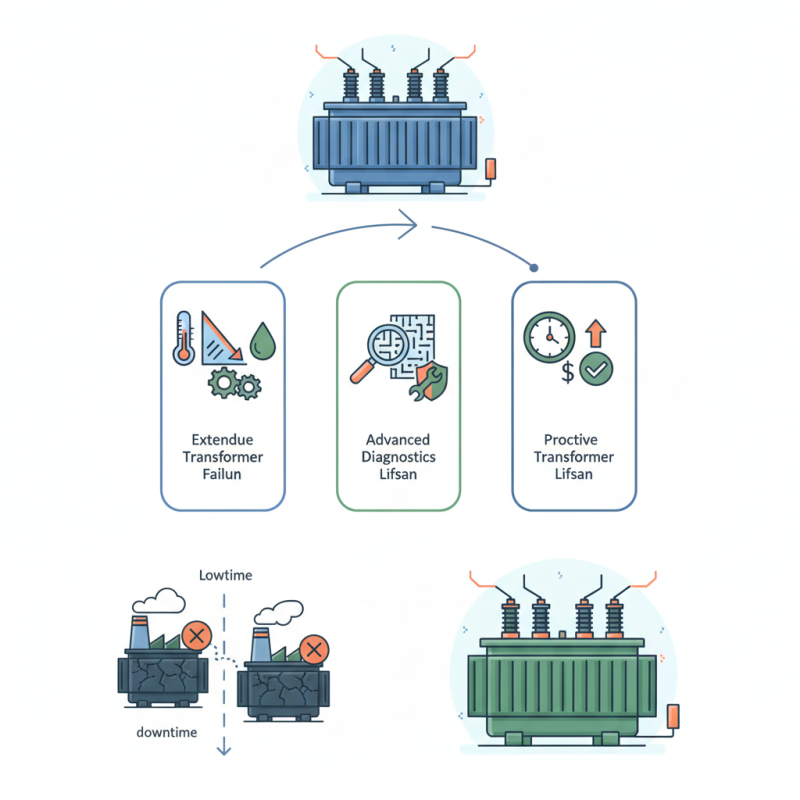
The lifespan of power transformers is a critical aspect of energy infrastructure. Typically, these transformers can last between 25 to 40 years, depending on various factors. Proper maintenance and operating conditions significantly influence longevity. Industry reports indicate that regular monitoring can prevent early failures by 30%. Key factors include temperature, load levels, and environmental conditions.
Understanding these elements is essential for optimizing performance. For instance, a significant rise in operating temperature can heat insulation, potentially leading to premature aging. Experts recommend keeping temperatures below 85°C to prolong lifespan. However, many facilities struggle to maintain optimal conditions due to fluctuating loads and environmental stresses.
While maintenance practices such as regular oil testing and insulation assessments are standard, they often fall short. The complexity of transformer systems can obscure issues until they become severe. Continuous training for operational staff is vital, yet lack of knowledge remains a common challenge. Transforming how we view maintenance is necessary. Investing in real-time monitoring technology could shift preventive maintenance from reactive to proactive.
| Dimension | Best Practice | Importance |
|---|---|---|
| Temperature Control | Keep ambient temperature stable and within limits. | Prevents overheating and thermal aging. |
| Regular Maintenance | Schedule periodic inspections and oil testing. | Identifies issues before they lead to failures. |
| Load Management | Avoid overloading the transformer. | Ensures transformer operates within design limits. |
| Cooling System Maintenance | Keep cooling systems clean and functional. | Enhances heat dissipation to prevent overheating. |
| Environment Control | Protect transformer from moisture and pollutants. | Reduces risk of insulation breakdown. |
: Monitoring helps identify early signs of wear, ensuring the transformer's longevity.
Regularly inspect temperature, oil levels, and insulation resistance for any abnormalities.
Use infrared thermography to identify temperature variations in real-time.
Be attentive to unexpected noises; they may indicate internal issues.
Data logging helps gather consistent readings to identify trends and fluctuations.
High temperatures can significantly increase the wear on internal components.
Regular reassessments of monitoring practices help ensure accurate data collection.
Neglecting upgrades can lead to operational failures and larger budget concerns later.
Regular training enhances skills for identifying and diagnosing performance issues effectively.
Reflecting helps improve decision-making for maintenance and upgrades, avoiding future problems.
In the article titled "How To Extend Power Transformer Lifespan Tips and Best Practices", the importance of understanding the lifespan of power transformers is emphasized, as it directly impacts system reliability and operational costs. Regular maintenance practices are crucial for ensuring optimal performance, while continuous monitoring and diagnosing of transformer performance can help detect issues early.
Implementing environmental controls is vital for protecting transformers from adverse conditions, and knowing when to upgrade components can significantly contribute to extending their life. By following these best practices, operators can enhance the longevity of their power transformers, ultimately leading to more efficient energy management and reduced downtime. This comprehensive approach outlines effective strategies on "How To Extend Power Transformer Lifespan" and ensures the reliability of electrical infrastructure.
