 Tanaka Electric
Tanaka Electric
Tanaka Electric
Power transformers are crucial components in electrical systems. They ensure efficient energy distribution and reliability in our power grids. However, like all machinery, they have a lifespan. Recognizing the "Signs Your Power Transformer Needs Replacement" can prevent failures and costly downtime.
Over time, transformers can exhibit various performance issues. These issues may indicate underlying problems that require attention. Strange noises, frequent trips, and overheating are just a few common signs. Monitoring these issues can save both time and money.
Being proactive about transformer maintenance is essential. Ignoring these signs might lead to catastrophic failures. A well-functioning transformer is vital for operational continuity. By understanding the warning signs, stakeholders can make informed decisions about transformer replacement. Proper attention and timely action can extend the life of these critical assets.
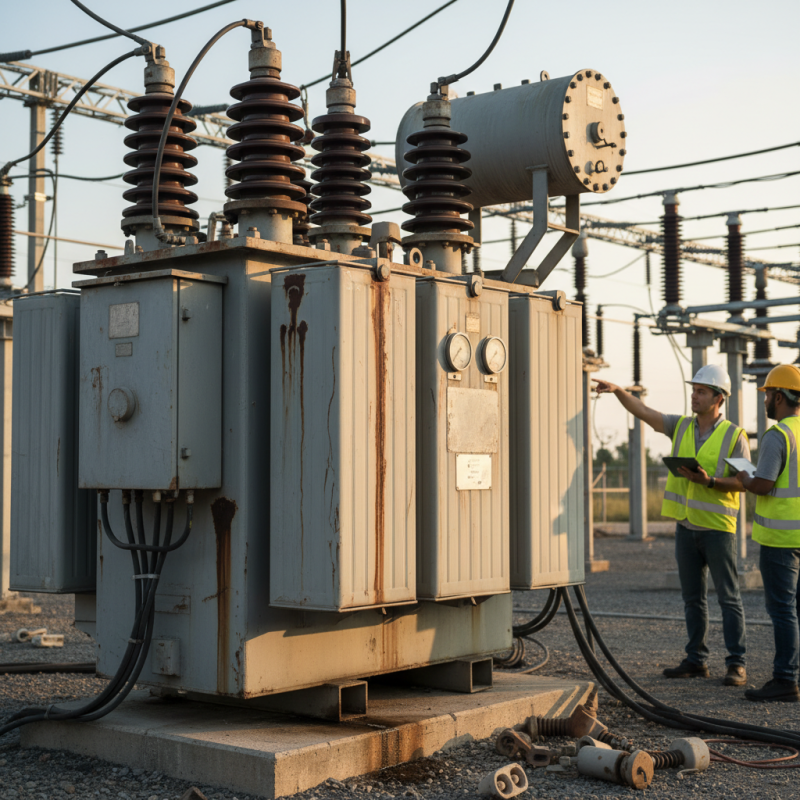
Power transformers play a crucial role in electrical systems. As they age, performance can decline, leading to significant issues. Indicators of aging include physical wear, overheating, and changes in operational efficiency. Studies show that 80% of transformer failures are linked to insulation breakdown. Regular maintenance is essential to detect early signs of deterioration.
One clear sign of aging is oil contamination. When the insulating oil presents high moisture levels, it signals trouble. Moisture lowers the oil's dielectric strength. Additionally, vibration issues may arise, causing mechanical stress. An unbalanced loading situation can further exacerbate wear. Tracking these parameters helps in proactive decision-making.
Tips: Schedule routine inspections. Monitor temperature trends closely. It can save countless hours of downtime. The investment in predictive maintenance tools pays off. These actions enhance reliability and extend the life of your transformer. Consider creating a timeline for component replacements based on performance data. Awareness and planning can prevent unexpected failures and ensure system integrity.
| Sign | Description | Action Required |
|---|---|---|
| Increased Noise Levels | Unusual humming or buzzing sounds from the transformer. | Inspect for mechanical issues. |
| Frequent Failures | More frequent breakdowns or trips of the transformer. | Evaluate replacement options. |
| Overheating | Transformer operating temperatures are consistently high. | Check cooling systems and consider replacement. |
| Visible Damage | Physical signs of wear, cracks, or corrosion on the casing. | Immediate evaluation recommended. |
| Oil Leaks | Detection of oil leaks around the transformer. | Check for internal damage; replacement may be necessary. |
| Unusual Vibration | Excessive vibrations indicating mechanical imbalance. | Assess and consider replacement if issues persist. |
| Poor Performance | Drop in output voltage or operational efficiency. | Conduct performance analysis. |
| Aging Equipment | Equipment nearing or exceeding its useful life. | Plan for proactive replacement. |
| Increased Maintenance Costs | Rising costs associated with frequent repairs. | Consider replacement as an economic decision. |
| Diminished Load Capacity | Inability to handle the required load effectively. | Evaluate and consider an upgrade. |
: Load imbalance occurs when one phase has more demand than others, causing overheating.
It prevents overheating, which stresses insulation and leads to premature transformer wear.
Regular checks of phase currents and using thermal imaging can identify discrepancies and hotspots.
It can lead to costly outages and may require extensive repairs or full replacements.
Key tests include insulation resistance, winding resistance, and power factor measurements.
Insulation resistance should be above 1 megohm for transformer reliability.
Extreme temperatures, humidity, and pollution contribute to around 30% of transformer failures.
High temperatures can halve the insulating life for every 10°C increase.
It identifies early signs of wear and prevents serious issues caused by dirt or debris.
Not all transformers exhibit visible issues, making proactive checks essential for reliability.
The article "10 Signs Your Power Transformer Needs Replacement" explores various indicators that suggest a transformer may be approaching the end of its operational life. Key signs include aging components, performance decline, and observable load imbalances that can significantly shorten a transformer's lifespan. Additionally, the piece emphasizes the importance of electrical testing metrics to assess transformer health, highlighting how environmental factors contribute to increased failure rates.
Furthermore, the article presents a cost-benefit analysis of proactive transformer replacement strategies, underscoring the economic advantages of timely upgrades. By understanding these signs your power transformer needs replacement, operators can make informed decisions to ensure system reliability and minimize unplanned outages in their electrical infrastructure.
