Tanaka Electric Tanaka Electric

How Power Transformers Enhance Grid Stability for Global Buyers?

Time:2026-05-05 Author:Henry
0%

The global energy landscape is rapidly changing. Power transformers play a crucial role in enhancing grid stability. According to a recent report by the International Energy Agency (IEA), the demand for reliable energy infrastructure is expected to grow by 23% by 2040. This highlights the importance of advanced technologies like power transformers.

How Power Transformers Improve Grid Stability goes beyond mere functionality. These devices manage voltage levels and ensure a consistent supply of electricity. Reportedly, their proper integration can reduce outage times by up to 30%. However, not all transformers meet the required standards. Some units fall short in performance under extreme conditions.

Inconsistencies can arise from outdated technology or inadequate maintenance. The need for efficient, resilient transformers is more critical than ever. As energy consumption increases, failing to address these issues could lead to severe disruptions. Buyers worldwide must consider these factors when selecting equipment. Investing in quality transformers is now a necessity for a stable energy future.
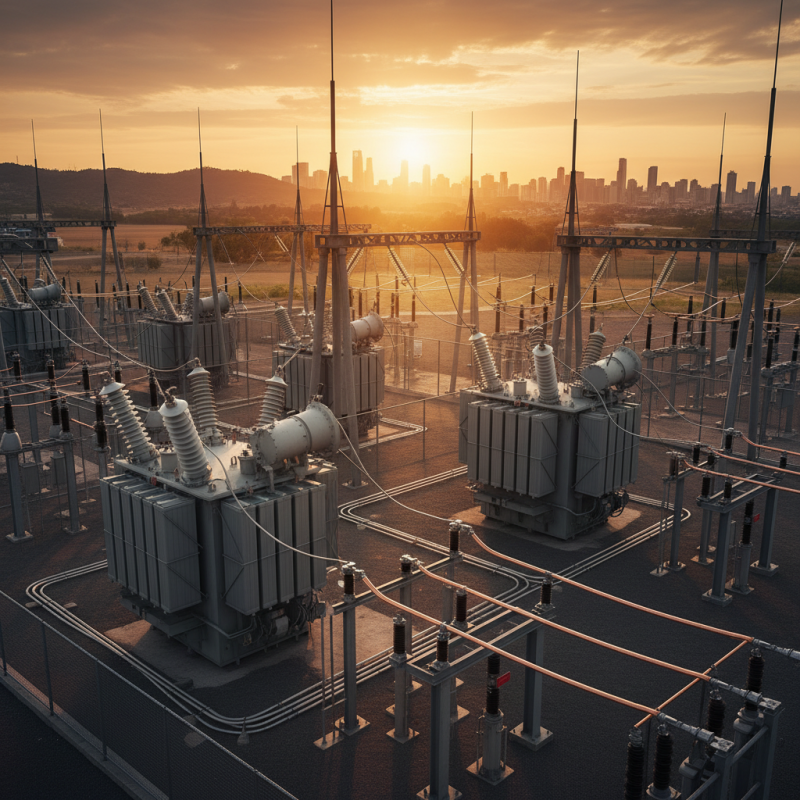
How Power Transformers Enhance Grid Stability for Global Buyers?

Importance of Power Transformers in Electrical Grids

Power transformers play a pivotal role in enhancing the stability of electrical grids worldwide. These devices facilitate voltage regulation, enabling efficient transmission over long distances. They are essential for integrating renewable energy sources, which can often cause fluctuations in supply. Without proper transformers, these variations could destabilize the grid.

Moreover, power transformers help in maintaining the quality of electricity. They reduce losses during transmission, ensuring that energy reaches consumers effectively. However, their maintenance can be challenging. Aging equipment or inadequate cooling systems may lead to failures. Continuous monitoring is critical to prevent outages and ensure reliability.

As global energy demands rise, the importance of power transformers cannot be overstated. They are the backbone of modern electrical infrastructure. Yet, addressing issues like environmental impact and operational efficiency remains a significant challenge. Investing in innovative solutions for these challenges is necessary for a sustainable energy future.

Role of Power Transformers in Enhancing Grid Stability

Power transformers play a crucial role in enhancing grid stability. They manage voltage levels, ensuring smooth electricity flow across the network. According to the International Energy Agency (IEA), about 70% of grid stability relies on effective transformers. These devices help adjust voltage variations, reducing the risk of blackouts.

In regions where renewable energy is on the rise, transformers are essential. They connect various energy sources to the grid seamlessly. The U.S. Department of Energy states that with a 30% increase in renewables, transformer efficiency is even more vital. Yet, this shift poses challenges. Older transformers may struggle to cope with these dynamic demands, leading to potential instability.

The reliability of power transformers can be assessed by their failure rates. A report from the IEEE highlights that over 30% of transformer failures stem from insulation issues. This requires ongoing monitoring and maintenance. Inadequate attention can compromise grid performance, revealing a gap in management practices. Addressing these gaps is essential for a stable energy future.

Key Features of Power Transformers Impacting Grid Reliability

Power transformers play a crucial role in enhancing grid stability. Their primary task is to step up or step down voltages to ensure electricity travels efficiently. This function is vital in maintaining the balance of supply and demand across vast distances. A well-designed transformer minimizes energy losses, which is critical for reliable grid operations.

Key features of power transformers significantly impact grid reliability. For instance, transformers equipped with advanced insulation materials can withstand extreme conditions. This capability prevents failures that could lead to outages. Additionally, the inclusion of real-time monitoring systems helps detect issues before they escalate. However, not all transformers have the same level of performance. It is important to assess each component's lifespan and potential risks to ensure optimal functioning.

Despite these advancements, challenges remain. Aging infrastructure can hinder the effectiveness of new technologies. Furthermore, environmental factors can still affect transformer performance. Continual evaluation and adaptation are necessary to meet evolving grid demands. This ensures that power transformers contribute effectively to an increasingly complex energy landscape.

Global Market Trends for Power Transformers and Their Influence

The global power transformer market is evolving rapidly. Increasing energy demand drives innovations in transformer technology. This surge reflects the need for improved grid stability. As nations invest in renewable energy, transformers play a crucial role. They help manage varying power loads effectively.

Market trends indicate a shift toward smarter, more efficient transformers. These advancements are influenced by the growing emphasis on sustainability. Manufacturers are focused on minimizing energy loss. New materials and designs enhance performance and reliability. However, discussions about technology often overlook crucial maintenance needs. Regular checks are essential for operational excellence.

Furthermore, the geopolitical climate impacts production and distribution. Trade policies can affect costs and availability. Supply chain disruptions remain a concern. Buyers must remain adaptable. Ensuring a reliable power supply demands attention to both innovation and infrastructure. Awareness of these trends can guide strategic purchasing decisions in the ever-changing energy landscape.

Future Innovations in Power Transformers for Improved Stability

The future of power transformers is critical for enhancing grid stability. Innovations in materials and design are leading the way. A recent report from the International Energy Agency (IEA) highlights that advanced transformer technologies can reduce energy losses by up to 20%. This efficiency gain is vital as global energy demand grows.

Smart transformers with integrated digital capabilities are emerging. They enable real-time monitoring, enhancing operational efficiency. According to the Electric Power Research Institute (EPRI), these transformers can predict failures and optimize maintenance schedules. The result? Improved reliability and reduced downtime. However, the transition to digital requires substantial investment and expertise.

Despite the potential benefits, challenges persist. Cybersecurity threats and high costs remain key issues. The industry needs to address these concerns while promoting the adoption of smart technologies. Insights from recent studies emphasize the importance of collaboration among stakeholders. Therefore, the path forward involves not just innovation, but also trust and knowledge exchange within the sector.

FAQS

: What is the role of power transformers in electrical grids?

: Power transformers enhance stability and facilitate voltage regulation for efficient energy transmission.

How do power transformers help with renewable energy integration?

They manage fluctuations in renewable energy supply, preventing grid destabilization.

What challenges are associated with the maintenance of power transformers?

Aging equipment and poor cooling systems can lead to failures that require ongoing monitoring.

Why are power transformers crucial as energy demands increase?

They are a critical component of electrical infrastructure to meet growing energy consumption.

What is the significance of future innovations in power transformers?

Innovations can reduce energy losses by up to 20%, crucial for managing rising energy demands.

What are smart transformers, and why are they important?

Smart transformers feature digital capabilities for real-time monitoring, improving reliability and maintenance.

What barriers exist for the transition to digital transformers?

High costs and cybersecurity threats hinder the widespread adoption of smart transformer technologies.

How can collaboration improve the future of power transformers?

Sharing insights and building trust among stakeholders can lead to better technological adoption and solutions.

Conclusion

Power transformers play a crucial role in the stability and reliability of electrical grids worldwide. They facilitate efficient power transmission by stepping up or stepping down voltage levels, which is essential for minimizing energy losses over long distances. How power transformers improve grid stability is particularly evident in their ability to manage load fluctuations and mitigate voltage sags, ensuring a consistent and reliable power supply.

Key features such as high insulation levels, robust construction, and advanced monitoring technologies enhance the performance of power transformers, directly influencing overall grid reliability. As global market trends shift towards renewable energy integration and smart grid technologies, future innovations in power transformers aim to address emerging challenges, further strengthening grid stability. These advancements will not only optimize performance but also support the transition to more sustainable energy systems.

Henry

Henry

Henry is a dedicated marketing professional with a profound expertise in the company's offerings. With years of experience in the industry, he possesses an impressive understanding of the market dynamics and consumer behaviors that drive success. Henry is committed to sharing his insights through......