Tanaka Electric Tanaka Electric

Why is Power Transformer Voltage Regulation Important to Buyers?

Time:2026-06-24 Author:Oliver
0%

In today's energy landscape, **Power Transformer Voltage Regulation Explained** has become crucial for buyers. Fluctuating voltage levels can lead to equipment failure and increased operational costs. According to the International Electrotechnical Commission, effective voltage regulation can improve energy efficiency by up to 15%. This highlights its significance for industries relying on stable electrical supplies.

Renowned expert Dr. Jane Thompson states, “Proper voltage regulation enhances system reliability and extends equipment life.” Her insights underline the necessity of voltage regulation in power transformers. Irregular voltage can cause unexpected downtimes, which impacts productivity. A report by the Electric Power Research Institute indicates that over $10 billion is lost annually due to poor voltage regulation.

Moreover, many buyers underestimate the complexity of voltage regulation. They often focus solely on transformer size and capacity. However, neglecting voltage regulation can lead to long-term challenges. Buyers must recognize that ensuring optimal voltage levels is as important as selecting the right transformer itself. Reliable voltage regulation is not just a component; it's an essential element of a robust power supply system.
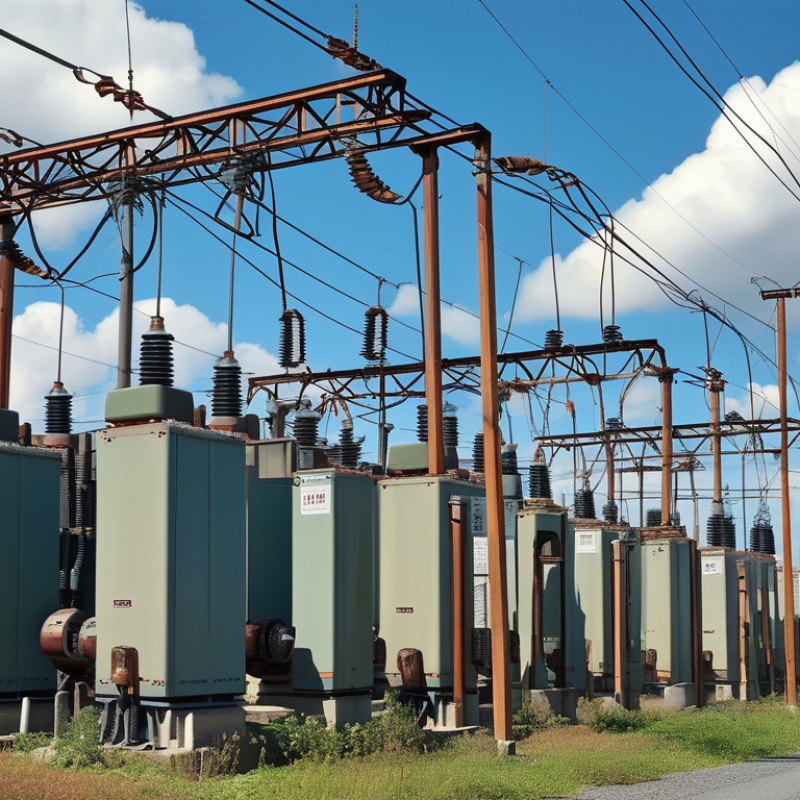
Why is Power Transformer Voltage Regulation Important to Buyers?

Understanding Voltage Regulation in Power Transformers

Voltage regulation is a critical aspect of power transformers, influencing the efficiency and reliability of electrical systems. According to the International Electrotechnical Commission (IEC), maintaining a steady voltage level is essential to prevent equipment damage and ensure optimal performance. Inadequate voltage regulation can result in equipment overheating, reduced lifespan, and increased operational costs.

A study by the Institute of Electrical and Electronics Engineers (IEEE) indicates that about 15% of electrical failures can be traced back to poor voltage regulation. This statistic underscores the importance of investing in quality transformers with robust voltage regulation capabilities. Proper regulation minimizes the risk of fluctuations that can disrupt sensitive electronic devices, which rely on constant voltage levels for proper functioning.

Moreover, power transformers play a significant role in load management. Fluctuations in voltage can create stress on the grid, leading to service interruptions. Research shows that implementing advanced monitoring systems can improve voltage stability by up to 40%. This enhancement translates to better service quality and reduced downtime for both consumers and industries. Investing in effective voltage regulation systems is not just a matter of compliance but a necessity for operational excellence.

The Role of Voltage Regulation in Power Supply Stability

Voltage regulation plays a crucial role in power supply stability, which significantly impacts overall system reliability. According to reports from industry analysts, poor voltage regulation can lead to equipment malfunction, affecting both operational efficiency and safety. A study revealed that over 30% of industrial shutdowns are linked to voltage issues. This statistic underscores the necessity for buyers to consider voltage regulation when selecting power transformers.

Effective voltage regulation helps maintain a consistent voltage output despite fluctuations in load demand. This consistency is essential; without it, devices may experience voltage surges or drops, potentially causing irreversible damage. For instance, sensitive electronic equipment often requires stable voltage levels. A report from the International Electrotechnical Commission pointed out that maintaining voltage within +/- 5% of the rated value can reduce operational failures by up to 40%.

Tip: Regular monitoring of voltage levels in your facility can help identify issues before they escalate.

Investing in high-quality voltage regulation systems can lead to long-term savings and increased productivity. Businesses should analyze their specific voltage regulation needs carefully. Inadequate regulation can result in wasted energy, increased operational costs, and potential damage to equipment. Understanding these factors is crucial for making informed purchasing decisions.

Tip: Consider consulting with experts to evaluate your facility's voltage stability requirements.

How Voltage Regulation Affects Equipment Performance

Voltage regulation is a critical aspect of power transformers that directly impacts equipment performance and reliability. Poor voltage regulation can lead to equipment malfunctions, reduced lifespan, and increased operational costs. According to a report by the Electric Power Research Institute, a transformer operating with a voltage deviation of more than ±5% can experience over 20% inefficiency in energy consumption.

Voltage fluctuations can cause significant issues in sensitive equipment. For example, motors may experience overheating, while electronic devices can face operational failures. A study published by the International Energy Agency highlights that voltage spikes beyond 10% can result in sensitive electronics failing prematurely, increasing maintenance costs and downtime. In industries reliant on precise power, such as manufacturing, this variability compromises productivity and profitability.

Additionally, the economic implications of poor voltage regulation are substantial. The U.S. Department of Energy estimates that inefficient transformers cost American businesses up to $5 billion annually. Regular monitoring and maintenance can enhance voltage stability. However, many companies overlook this need, leading to reactive rather than proactive measures. As power demands continue to rise, the importance of robust voltage regulation in transformers cannot be overstated. Addressing this issue requires a commitment to ongoing evaluation and adjustment to ensure reliable and efficient operations.

Why is Power Transformer Voltage Regulation Important to Buyers?

Parameter Description Impact on Equipment Performance
Voltage Regulation Percentage Measures the ability of the transformer to maintain constant voltage Crucial for ensuring the safe operation of sensitive equipment
Load Conditions Situation describing how much load the transformer handles Influences voltage drop, affecting performance under varying loads
Cooling Mechanism Method used to dissipate heat generated by the transformer Directly affects reliability and longevity of transformer components
Transformer Tap Changer Device that adjusts the transformer ratio to maintain output voltage Allows for better voltage stability across varying load scenarios
Total Harmonic Distortion (THD) Indicates the distortion of the voltage and current waveform Higher THD can lead to reduced efficiency and overheating of equipment

Key Benefits of Efficient Voltage Regulation for Buyers

Efficient voltage regulation in power transformers is crucial for buyers. It ensures stability in electrical systems, preventing fluctuations that can lead to equipment damage. When voltage levels are consistent, the lifespan of appliances and machinery increases. Buyers can save on maintenance costs over time, as their investment requires fewer repairs.

Furthermore, effective voltage regulation enhances energy efficiency. It minimizes waste and optimizes power usage. This is essential for both commercial and residential settings where energy consumption impacts operational costs. A transformer with poor voltage regulation could result in higher utility bills. Buyers must consider the long-term implications of their choices.

Some might underestimate the importance of consistent voltage levels. Yet, such oversights can prove costly. A minor voltage fluctuation can disrupt processes in manufacturing or lead to sensitive electronics malfunctioning. Buyers should reflect on how critical stabilization is for their specific needs. Effective voltage regulation is not merely a technical detail; it is a significant factor that can influence operational success.

Importance of Power Transformer Voltage Regulation for Buyers

The chart above illustrates the key benefits of efficient voltage regulation for buyers of power transformers. As shown, enhanced system reliability and improved energy efficiency are the primary advantages that lead to better operational performance and lower costs.

Factors Influencing Voltage Regulation in Transformer Selection

When selecting transformers, voltage regulation is a critical factor. Proper voltage regulation ensures stable output voltage under varying load conditions. According to industry reports, poorly regulated transformers can lead to equipment damage and operational inefficiencies. These issues can arise when voltage levels fluctuate, causing stress on electrical devices.

Several factors influence voltage regulation during transformer selection. Load characteristics play a significant role. For instance, inductive loads are more sensitive to voltage variations. One study indicates that transformers with a regulation level above 5% may struggle in industrial settings. The physical design of the transformer, including core type and winding configuration, also significantly affects performance. High-quality materials can improve efficiency but may increase initial costs.

Environmental conditions can further complicate voltage regulation. Temperature fluctuations impact conductivity, which can affect the transformer's ability to maintain consistent voltage. Regular maintenance is essential to ensure reliable performance. A lack of attention to these parameters can lead to unexpected downtime. Buyers must weigh the upfront costs against long-term benefits.

FAQS

: What is voltage regulation?

: Voltage regulation maintains a consistent voltage output in power supply systems. It helps ensure stability.

Why is voltage regulation important for power supply stability?

Poor voltage regulation can lead to equipment malfunction and safety issues, affecting operational efficiency significantly.

How can voltage fluctuations impact equipment?

Voltage surges or drops may damage sensitive electronic devices, leading to costly repairs and downtime.

What is a recommended voltage range for optimal equipment performance?

Keeping voltage within +/- 5% of its rated value can reduce operational failures by up to 40%.

How can regular monitoring of voltage levels benefit facilities?

It enables early identification of issues, preventing potential escalation and ensuring smoother operations.

What are the long-term benefits of investing in quality voltage regulation systems?

It can lead to increased productivity, energy efficiency, and decreased maintenance costs over time.

What factors should buyers consider when selecting transformers?

Load characteristics, transformer design, and environmental conditions significantly influence voltage regulation performance.

Can overlooking voltage regulation details affect operational success?

Yes, even minor voltage fluctuations can disrupt processes and performance in manufacturing and sensitive electronics.

How do temperature fluctuations impact voltage regulation?

Temperature can affect conductivity, hindering a transformer’s ability to maintain consistent voltage output.

What should buyers reflect on when evaluating their voltage regulation needs?

They must consider how critical voltage stability is for their specific operational requirements.

Conclusion

Power Transformer Voltage Regulation Explained is essential for understanding the stability and efficiency of electrical power systems. Voltage regulation refers to the ability of a transformer to maintain a constant output voltage despite variations in load or input voltage. This stability is crucial for ensuring a reliable power supply, as fluctuations can lead to equipment malfunctions or failures.

Efficient voltage regulation directly impacts the performance of electrical equipment, enhancing its longevity and reliability. Key benefits for buyers include reduced operational costs and improved energy efficiency. Additionally, factors such as transformer design, load conditions, and environmental influences play significant roles in voltage regulation, making it vital for buyers to consider these aspects when selecting transformers for their power systems.

Oliver

Oliver

Oliver is a seasoned marketing professional with a wealth of expertise in driving brand awareness and engagement. With a deep understanding of our company's product offerings, he consistently delivers high-quality content that enriches our professional blog. His insights not only shed light on......