Tanaka Electric Tanaka Electric

Power Transformer Transportation Installation Challenges in China?

Time:2026-06-10 Author:Isabella
0%

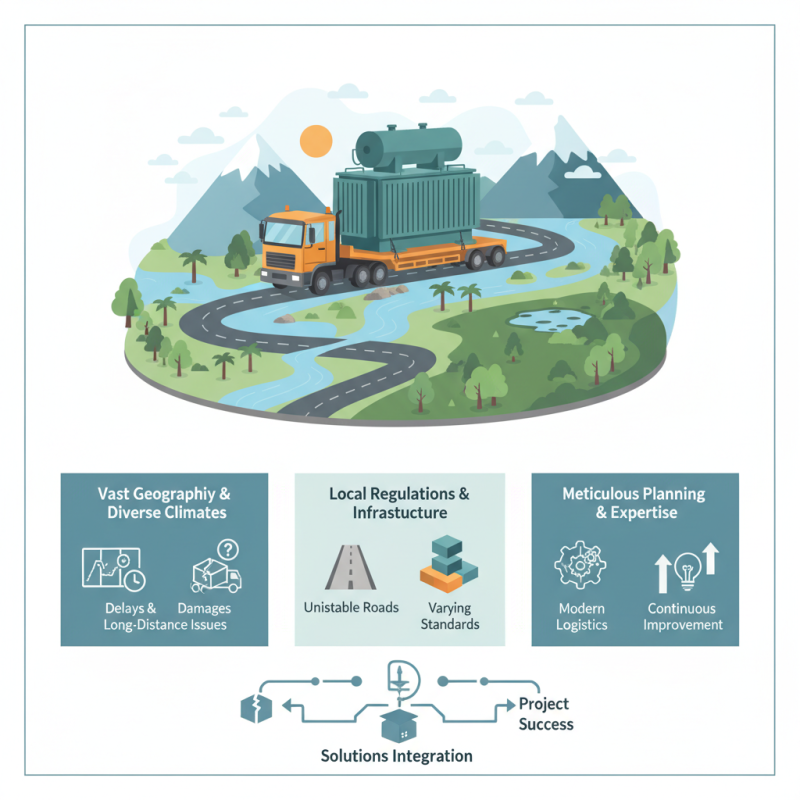
Power Transformer Transportation and Installation Challenges present unique difficulties in China. The country's vast geography and diverse climates make this process complex. Long-distance transportation often leads to delays and damages. These challenges require meticulous planning and expertise.

Additionally, local regulations and infrastructure play critical roles. Some regions lack suitable roads or facilities for heavy equipment. Adapting to different standards can be a daunting task for companies. This inconsistency raises questions about reliability and efficiency.

Addressing these challenges is vital for ensuring project success. Solutions must integrate modern logistics and engineering practices. Continuous improvement and reflection on past experiences are essential. Only then can firms effectively navigate the complexities of Power Transformer Transportation and Installation Challenges in China.
Power Transformer Transportation Installation Challenges in China?

Power Transformer Overview and Importance in the Energy Sector

Power transformers are critical components of the energy sector. They ensure the efficient transmission of electricity across vast distances. According to the International Energy Agency (IEA), global electricity demand is expected to rise by 25% by 2040. This surge will require robust infrastructure, and power transformers play a pivotal role in it.

In China, the demand for power transformers has increased significantly. The National Energy Administration reported that the installed transformer capacity reached over 1,200 GVA in 2022. This trend highlights the importance of transformers in enhancing grid reliability. However, challenges persist in manufacturing and transporting these large units.

Logistical issues can lead to delays. The road and rail networks may not always accommodate oversized shipments. Transportation is complex and requires specialized planning. Furthermore, transformer installation needs precision. Lack of skilled labor can further complicate the process. Addressing these challenges is vital for maintaining the reliability of power supply. The energy sector relies heavily on timely installations to meet growing demands.

Key Transportation Challenges for Power Transformers in China

Transporting power transformers in China poses unique challenges. The sheer size of these transformers often exceeds standard transport limits. Flatbed trucks struggle to accommodate their dimensions. Road networks may not support heavy loads. Poor infrastructure can delay delivery schedules.

Safety is another concern during transport. Transformers are sensitive equipment. Any rough handling can cause damage. Also, many transformers contain fluids that can leak. This creates additional risks during transportation.

Even after reaching the destination, installation can be complicated. Tight spaces in urban areas limit access. Heavy cranes may be necessary for lifting. Local regulations often require permits, adding complexity. Each project demands careful planning and execution. Experience suggests that attention to detail can prevent costly mistakes.

Installation Procedures and Regulations for Power Transformers

Power transformer installation in China faces various challenges, particularly regarding procedures and regulations. The National Energy Administration (NEA) emphasizes standardization to ensure safety and efficiency. However, local regulations can differ, complicating compliance. In 2021, the overall investment in power infrastructure reached approximately $160 billion, yet inconsistencies in installation protocols still pose risks.

Rigorous site assessments are critical. The installation process typically involves securing the site, preparing foundations, and ensuring proper alignment of components. Notably, adhering to guidelines set forth by the China Electric Power Equipment and Technology Association is vital. A 2022 report indicated that nearly 30% of installation-related failures arise from improper site preparation. Training and certification for installation personnel remain essential to mitigate such risks.

Moreover, transportation difficulties can add layers of complexity. Transformers can weigh upwards of 400 tons, making transport logistics crucial. Monitoring systems, while providing data on vehicle conditions, often lack real-time updates during transit. Inadequate communication channels between delivery teams and installation crews can lead to delays and cost overruns. The industry must reflect on these challenges to enhance the overall installation process.

Power Transformer Transportation Installation Challenges in China

Challenge Description Regulations Best Practices
Weight Limits Transporting heavy transformers poses risks to infrastructure and requires specialized vehicles. Follow national weight regulations for transport vehicles. Use escort vehicles and route surveys to ensure safe passage.
Equipment Delivery Coordinating delivery times can be difficult, leading to potential delays. Adhere to shipping and customs clearance procedures. Schedule deliveries during off-peak hours to avoid congestion.
Installation Site Preparation Sites must be prepared for heavy equipment access and proper crane operation. Comply with local environmental regulations and safety standards. Conduct thorough site surveys and prepare grounds adequately.
Weather Conditions Adverse weather can hinder transport and installation operations. Monitor local weather forecasts and prepare contingency plans. Reschedule installations during extreme weather conditions for safety.
Skilled Labor Shortages of trained personnel can lead to poor installation practices. Ensure compliance with labor laws and qualifications. Invest in training programs to enhance workforce skills.

Case Studies: Successful Transformer Installations in China

Transporting and installing power transformers in China is complex. The large size and weight of these units often pose logistical challenges. Adequate planning is crucial to ensure safe transportation. In urban areas, traffic congestion can delay movement. Therefore, careful route selection is vital.

One notable case involved the installation of a large transformer in a mountainous region. The team faced narrow roads and unpredictable weather. They employed specialized trucks with advanced suspension systems to navigate these conditions. However, the journey was not without issues. Some delays occurred due to roadblocks from landslides. Lessons learned emphasized the need for flexibility in planning.

Another instance showcased a successful installation in an industrial park. Collaboration between engineers and local authorities helped streamline the process. Real-time communication was key to addressing on-site obstacles swiftly. However, unexpected challenges still arose, such as equipment malfunctions. These experiences highlighted the importance of thorough training and preparation for installation teams. Each case reinforces that continuous learning is essential in overcoming installation challenges.

Challenges and Solutions in Power Transformer Transportation and Installation in China

Future Trends in Transformer Transportation and Installation Technologies

The transportation and installation of power transformers in China face various challenges. With the rise of renewable energy, there is growing demand for efficient transformer transport. Traditional methods often struggle with the large size and weight of these units. Highways and railways need adaptations to accommodate oversized loads. This complexity increases project timelines and costs.

Future trends in transformer transportation focus on innovation. Advanced logistics software can optimize routes and reduce delays. Autonomous vehicles may enhance transportation efficiency. However, technology adoption can be slow due to regulatory hurdles. That’s where the collaboration between engineers and transport agencies becomes vital.

Additionally, installation methods are evolving. Modular designs allow for easier handling and placement. Yet, integrating these systems often requires skilled labor and training. There’s potential for improvement in safety protocols during installation. Continuous learning and adaptation will be crucial in addressing these challenges effectively.

FAQS

: Why are power transformers critical in the energy sector?

: Power transformers ensure efficient electricity transmission across vast distances. They are essential for grid reliability.

What is the expected increase in global electricity demand by 2040?

The International Energy Agency predicts a 25% rise in global electricity demand. This calls for robust infrastructure.

What challenges are present in transporting power transformers?

Logistical issues can cause delays. Oversized shipments may not fit well within existing road and rail networks.

Why is careful planning important for transformer installation?

Precision is crucial during installation. Lack of skilled labor can complicate the process and affect reliability.

How can innovative technology help in transformer transportation?

Advanced logistics software can optimize routes. This reduces delays and improves overall transportation efficiency.

What were some challenges faced during a significant transformer installation?

A case in a mountainous area faced narrow roads and landslides. Flexibility in planning was vital to overcome these issues.

How do collaboration and communication affect transformer installations?

Effective teamwork can streamline processes. Real-time communication helps address on-site obstacles swiftly.

What is the potential for future trends in installation methods?

Modular designs allow for easier handling. However, integrating these systems requires skilled labor and proper training.

Why are safety protocols important during equipment installation?

Developing better safety practices can enhance installation efficiency. Continuous learning in this area is crucial.

How do regulatory hurdles affect technology adoption in transportation?

Slow technology adoption can limit efficiency. Collaboration between engineers and transport agencies is vital for progress.

Conclusion

The article titled "Power Transformer Transportation Installation Challenges in China" delves into the critical role of power transformers in the energy sector, highlighting their importance in facilitating efficient electricity distribution. It outlines the key transportation challenges faced in China, such as logistical hurdles, oversized loads, and regulatory constraints that complicate the movement of these essential components.

Furthermore, the article discusses the installation procedures and regulations governing the setup of power transformers, ensuring they meet safety and operational standards. Case studies of successful transformer installations in various regions provide insights into effective strategies for overcoming power transformer transportation and installation challenges. Finally, the article anticipates future trends in technologies that could enhance the efficiency and safety of both transportation and installation processes, ultimately supporting China's growing energy demands.

Isabella

Isabella

Isabella is a dedicated marketing professional with a sharp focus on driving brand growth and engagement through strategic content creation. With an extensive background in digital marketing, she combines her passion for storytelling with her keen understanding of industry trends to deliver......