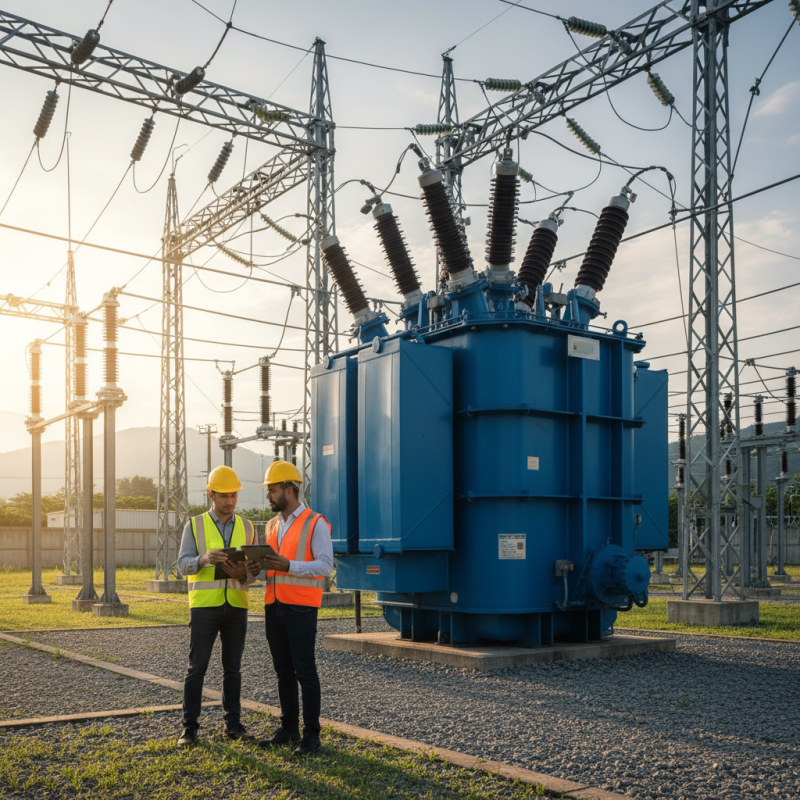
In today's power distribution landscape, understanding safety is paramount. Buyers must navigate complex Power Transformer Safety Standards Explained. These standards are essential for ensuring reliability and safety. With appropriate knowledge, buyers can make informed choices.
Power transformers are critical in energy transmission. Understanding their safety standards protects equipment and personnel. Many potential buyers overlook these regulations. This oversight can lead to serious safety risks. Awareness of comprehensive safety protocols is vital.
Choosing the right transformer involves more than just technical specifications. It requires an understanding of their safety implications. Buyers must reflect on their own knowledge gaps. This awareness will influence decision-making. By prioritizing safety, buyers can enhance operational reliability and safeguard investments.
Understanding the Importance of Power Transformer Safety Standards in the Industry
Power transformers play a critical role in electrical systems. They step up or step down voltage levels, ensuring electricity reaches homes and industries safely. Understanding power transformer safety standards is essential for buyers. These standards help prevent accidents and ensure long-term reliability.
The importance of safety standards cannot be overstated. They cover aspects like installation, maintenance, and emergency response. Adhering to these guidelines minimizes risks associated with electrical failures. Buyers must familiarize themselves with these regulations to make informed decisions. Trusted sources and industry experts provide valuable insights, guiding buyers through the complexities of compliance.
However, navigating these standards can be challenging. Not all specifications are clear-cut, and some may seem overly technical. Buyers might overlook key details, leading to potential safety hazards. Engaging with professionals or consulting online resources can mitigate these risks. Familiarity with safety protocols can foster better practices in the industry, creating a safer environment for everyone involved.
Key Safety Standards for Power Transformers: IEEE, IEC, and ANSI Regulations
When considering power transformers, safety standards play a crucial role in ensuring reliability and efficiency. Key regulations such as IEEE, IEC, and ANSI establish guidelines that help manufacturers and buyers alike. IEEE standards cover a wide range of safety issues, from design to operational aspects. For example, IEEE C57.12.00 outlines test methods for general transformer performance. These standards ensure that transformers can withstand electrical stresses and environmental conditions.
IEC standards focus on international safety and performance. IEC 60076 emphasizes insulation systems and thermal performance. This regulation addresses long-term reliability, which is vital for maintaining operation during peak loads. Moreover, ANSI standards provide additional frameworks for installation and maintenance practices. Adhering to these standards can reduce the likelihood of failures, which data shows could lead to substantial financial losses. In fact, improper maintenance of power transformers may result in outages costing utilities around $50,000 per event.
Despite these standards, challenges remain. Many buyers may overlook specific safety features when purchasing. This can lead to miscalculations in required insulation levels or thermal ratings. Insufficient knowledge of these standards can compromise safety and efficiency. Consequently, potential buyers need to thoroughly review safety documentation before committing to any transformer.
Critical Safety Features to Look for in Power Transformers for Optimal Protection
When selecting power transformers, buyers must prioritize critical safety features. These features are essential for ensuring the protection of both the equipment and personnel. Insulation quality plays a significant role. High-grade insulation materials can prevent electrical faults and minimize the risk of arcing. Assessing the dielectric strength is crucial for safety. A transformer with adequate dielectric properties can handle voltage spikes more effectively.
Thermal management is another vital aspect. Transformers generate heat during operation. Overheating can lead to malfunctions or failures. Look for models with advanced cooling systems, such as oil or air cooling. These systems help regulate temperatures and maintain efficient operation. Additionally, consider overload protection. A transformer equipped with overload or surge protection will reduce the likelihood of damage during unexpected power surges.
Finally, don't overlook certification and compliance. A transformer that meets established safety standards provides assurance of reliability and quality. Buyers should verify that equipment has undergone rigorous testing. Yet, many overlook these details. This negligence can lead to costly consequences. Do your research and reflect on these key features before making a decision. Prioritizing safety can make all the difference in operational integrity.
Evaluating Manufacturer Compliance with Safety Standards and Certifications
When evaluating power transformer manufacturers, safety standards compliance is paramount.
An impressive 75% of transformer failures are linked to inadequate manufacturer certifications, according to industry reports. Buyers must prioritize manufacturers that adhere to global safety standards.
International Electrotechnical Commission (IEC) and
Institute of Electrical and Electronics Engineers (IEEE) certifications are key benchmarks. These certifications signal that the equipment has undergone rigorous testing and meets safety norms.
A reliable manufacturer provides documentation of compliance. This includes test results, inspection reports, and product guarantees. Transparency in these areas reflects a company's commitment to quality. Many buyers overlook this crucial aspect.
They may focus only on
cost, potentially compromising safety. Additionally, verify if manufacturers are up-to-date with the latest regulations. Regular updates to safety standards are standard in this industry. Thus, continual compliance is vital.
Consider that not all manufacturers operate with the same level of integrity. Some may hold outdated certifications.
Research is essential. Scrutinize online reviews and expert analyses. A comprehensive approach can safeguard against potential hazards. Prioritizing safety does not just protect investment; it saves lives.
Risks and Hazards in Power Transformer Operations: Mitigation Strategies for Buyers
Power transformers are critical in electrical systems, but they come with inherent risks. Understanding these risks helps buyers make informed decisions. Common hazards include electrical shock, fire, and equipment failure. A strong awareness of safety standards can mitigate these dangers effectively.
For buyers, one key tip is to prioritize transformers that meet established safety certifications. These certifications signify rigorous testing and compliance with safety norms. Regular maintenance is another vital aspect. Even high-quality transformers can fail if improperly maintained. Establish a routine schedule for inspections to identify potential issues early.
Also, consider investing in protective equipment. Safety gear like gloves and insulated tools can reduce the risk of accidents during installation and maintenance. It’s essential to train staff on emergency procedures. Knowledge is power in preventing accidents. Companies should provide ongoing education on operational hazards and safety protocols. Striking a balance between operational efficiency and safety is crucial for long-term success.
FAQS
: They help prevent accidents and ensure long-term reliability in electrical systems.
They include installation, maintenance, and emergency response guidelines.
Yes, some specifications can be overly technical, leading to potential safety oversights.
Buyers should familiarize themselves with IEEE, IEC, and ANSI regulations.
High-grade insulation materials prevent electrical faults and minimize the risk of arcing.
Effective thermal management prevents overheating and potential malfunctions during operation.
Improper maintenance can lead to outages, costing utilities significant amounts per event.
Look for insulation quality, thermal management, overload protection, and compliance certification.
Verify that transformers meet established safety standards and have undergone rigorous testing.
Many overlook critical details, which can lead to costly safety risks and inefficiencies.
Conclusion
Understanding Power Transformer Safety Standards is crucial for buyers in the industrial sector. Power Transformer Safety Standards Explained are guided by key regulations such as IEEE, IEC, and ANSI, which ensure the reliability and safety of transformers. Buyers should focus on critical safety features, including overcurrent protection, insulation levels, and temperature management to ensure optimal protection in operations.
Evaluating manufacturers for compliance with these safety standards and certifications is essential to mitigate the risks and hazards associated with power transformer operations. By implementing appropriate mitigation strategies, buyers can enhance safety and reliability, ultimately leading to a more secure and efficient electrical system.
 Tanaka Electric