Tanaka Electric Tanaka Electric

Power Transformer Recycling and Disposal Best Practices Guide?

Time:2026-07-15 Author:Isabella
0%

The increasing importance of sustainable practices in the electrical industry highlights the need for a comprehensive "Power Transformer Recycling and Disposal Guide." Experts in this field stress the significance of effective recycling methods to reduce environmental impact. Dr. Emily Carter, a renowned specialist in transformer management, emphasizes, "We have a responsibility to ensure the proper disposal of aged equipment."

Figuring out the best practices for recycling and disposal is challenging. Lack of guidelines often leads to improper methods that could harm the environment. Proper recycling saves resources and reduces waste. The complexities of disposing of power transformers require collective effort from industry professionals.

This guide aims to provide practical steps for handling transformers responsibly. It will cover safe practices and innovative solutions for disposal while considering legal aspects. Ultimately, we must acknowledge the need for continuous improvement in our recycling methods. The journey towards effective power transformer recycling is just beginning.
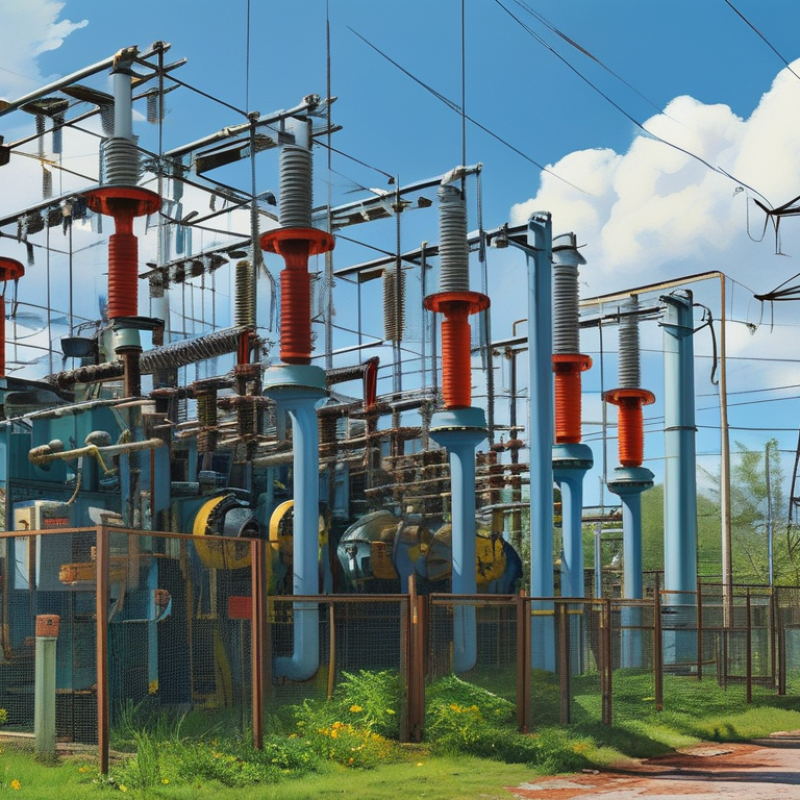
Power Transformer Recycling and Disposal Best Practices Guide?

Overview of Power Transformer Components and Their Environmental Impact

Power transformers are crucial for electricity distribution. They consist of several key components: conductors, insulation, and cooling fluids. Each part plays a role in the transformer's function but also poses environmental risks during disposal. For example, the insulation oil often contains polychlorinated biphenyls (PCBs), which are harmful pollutants. When not handled properly, these substances can contaminate soil and water.

Proper recycling and disposal methods are essential to mitigate these effects. Scrapping metal components is straightforward. However, dealing with hazardous materials requires stringent safety protocols. Many facilities lack the equipment or training for safe disposal. This gap can lead to improper handling and environmental damage.

Furthermore, the inefficiencies in recycling practices reveal a need for improved training and awareness. Many workers may not recognize the full impact of their actions on the environment. Incremental changes in protocols and regular assessments can enhance safety in transformer disposal. Investing in knowledge and resources is vital for achieving responsible recycling practices.

Understanding the Recycling Process for Power Transformers

Power transformers are critical components of electrical infrastructure. However, their recycling and disposal can be complex. Understanding the recycling process is essential for sustainability. According to the Institute of Electrical and Electronics Engineers (IEEE), roughly 60% of transformer materials can be recycled. Metals such as copper and aluminum are valuable resources that should not end up in landfills.

The recycling process begins with decommissioning. Proper decommissioning ensures hazardous materials are handled safely. Once a transformer is removed, it undergoes inspection. This step identifies components suitable for reuse. According to the Electric Power Research Institute (EPRI), proper inspection and sorting can maximize material recovery by over 75%. Current practices often miss opportunities to recover less common materials like insulating oil and silicon steel.

Despite these advances, challenges remain. Not all facilities have the capability to recycle transformers effectively. Many older units contain PCB oils, complicating the disposal process. The Environmental Protection Agency (EPA) sets stringent guidelines for handling such materials. However, compliance varies significantly. This inconsistency leads to potential environmental risks. Stakeholders must address these gaps to improve overall recycling effectiveness and ensure a safer process for future operations.

Power Transformer Recycling and Disposal Best Practices Guide

Aspect Description Best Practice Notes
Transformer Type Oil-filled transformers Ensure proper handling of oil waste Follow local regulations for oil disposal
Recycling Process Extract valuable materials Use specialized recycling facilities Inspect facility credentials
Environment Assessment Evaluate environmental impact Conduct environmental audits Keep records for future reference
Employee Training Ensure staff are well-informed Regular training workshops Update training materials regularly
Documentation Maintain records of processes Implement tracking systems Ensure compliance with regulations

Best Practices for Power Transformer Disposal

Disposing of power transformers requires careful planning. These large electrical devices often contain hazardous materials. Proper disposal ensures environmental safety and compliance with regulations. Ignoring best practices can lead to significant legal and ecological repercussions.

When preparing for disposal, always assess the transformer's condition. Is it still operational? If yes, consider potential refurbishment options. If not, check for leaks or damage. This evaluation helps determine the safest disposal method. Ensure to document the assessment for future reference.

Tips: Always engage certified professionals for the recycling process. They are knowledgeable about handling hazardous materials. Maintain clear communication with local disposal authorities. This prevents misunderstandings about regulations. Lastly, educate your team on environmentally friendly practices. Awareness can significantly reduce risks associated with disposal.

Power Transformer Recycling and Disposal Best Practices

This chart illustrates the best practices for power transformer recycling and disposal based on various factors such as material recovery percentage, environmental impact, and compliance with regulations.

Regulatory Guidelines for Transformer Recycling and Disposal

When dealing with power transformers, regulatory guidelines play a critical role in recycling and disposal. Compliance with these regulations is essential for protecting the environment. Various authorities provide frameworks that outline safe practices. These guidelines cover hazardous materials common in transformers, such as PCB oils and heavy metals. Understanding these regulations helps avoid potential fines and promotes responsible handling.

Worker safety is another important aspect of transformer disposal. It's crucial to train staff on the associated risks. Protective gear and proper protocols should be enforced. Daily inspections of equipment help ensure safe processes. However, many organizations still overlook these basics, leading to unsafe environments.

Contaminated materials must be handled with care. Proper containment and disposal methods are outlined in regulations. Companies need to assess their compliance continually. Many struggle to navigate this complex landscape. Regular audits can reveal gaps in their processes. Continuous improvements are necessary for a successful recycling and disposal strategy, ensuring safety and regulatory adherence.

Innovative Technologies in Power Transformer Recovery Operations

Innovative technologies in power transformer recovery operations are transforming the landscape of electrical waste management. As per the International Energy Agency, up to 90% of transformer components can be effectively recycled. This demonstrates a significant opportunity for both environmental sustainability and economic efficiency.

Advanced methods such as vacuum distillation and pyrolysis offer innovative solutions for material recovery. Vacuum distillation allows for the separation of oil, which can be purified and reused. Pyrolysis transforms organic materials into useful byproducts. According to a recent report by the Global Recycling Foundation, these technologies can reduce energy consumption by up to 30% in the recovery process. However, implementation can be costly, and not all facilities have access to these technologies.

Despite the potential benefits, challenges remain. Many facilities still rely on outdated techniques, which can lead to higher emissions and waste. The need for training and investment in technology is critical. A study by the Environmental Protection Agency suggests that better education on recycling best practices can boost recovery rates significantly. Addressing these gaps is essential for the future of transformer recycling and disposal.

FAQS

: What is the recycling capacity of power transformers?

: About 60% of power transformer materials can be recycled effectively.

Why is proper decommissioning important?

It ensures hazardous materials are handled safely during the recycling process.

How can material recovery be maximized?

Inspections and sorting can increase recovery rates by over 75%.

What common challenges exist in transformer recycling?

Not all facilities can recycle transformers, and older units may contain PCB oils.

What is the role of the Environmental Protection Agency (EPA)?

The EPA sets strict guidelines for handling hazardous materials found in transformers.

What should be assessed before disposing of a transformer?

Check if the transformer is operational and look for any leaks or damage.

How can disposal methods be determined?

Assessing the transformer's condition helps identify the safest disposal method.

Why should certified professionals be engaged for recycling?

They are knowledgeable in handling hazardous materials and ensure compliance with regulations.

How can teams be educated about disposal practices?

Providing training on environmentally friendly practices can help reduce risks.

What are the risks of ignoring proper disposal practices?

It can lead to significant legal and ecological repercussions in the community.

Conclusion

The "Power Transformer Recycling and Disposal Best Practices Guide" provides a comprehensive overview of the critical components of power transformers and their potential environmental impacts. It emphasizes the importance of understanding not only the recycling process for these transformers but also the best practices for their responsible disposal. The guide outlines regulatory guidelines and innovative technologies that enhance recovery operations, ensuring that the recycling and disposal of power transformers are conducted in an environmentally sound manner.

By following the recommendations presented in the Power Transformer Recycling And Disposal Guide, industry stakeholders can better navigate the complexities of transformer management while minimizing environmental risks. The guide serves as an essential resource for promoting sustainability in the power sector, encouraging efficient practices that align with regulatory requirements and evolving technological advancements.

Isabella

Isabella

Isabella is a dedicated marketing professional with a sharp focus on driving brand growth and engagement through strategic content creation. With an extensive background in digital marketing, she combines her passion for storytelling with her keen understanding of industry trends to deliver......