Tanaka Electric Tanaka Electric

Top Power Transformer Noise Reduction Methods for Global Buyers?

Time:2026-05-25 Author:Madeline
0%

Power transformers are integral to our electrical infrastructure, yet they can generate significant noise, impacting surrounding environments. Experts like Dr. Emily Hart, a leading specialist in electrical engineering, highlight the importance of addressing this issue. She states, “Effective Power Transformer Noise Reduction Methods can greatly improve community relations.”

The demand for quieter transformers is rising globally. Noise from transformers can lead to discomfort for nearby residents. Therefore, understanding effective reduction methods is crucial for manufacturers and buyers alike. Techniques range from advanced insulation materials to vibration control systems. Each method carries its own advantages and challenges.

However, not all methods may be suitable for every application. Buyers must evaluate factors, including cost and effectiveness, carefully. While some solutions may work in specific situations, they may not be universally applicable. A careful approach is needed to balance performance and practicality in Power Transformer Noise Reduction Methods.
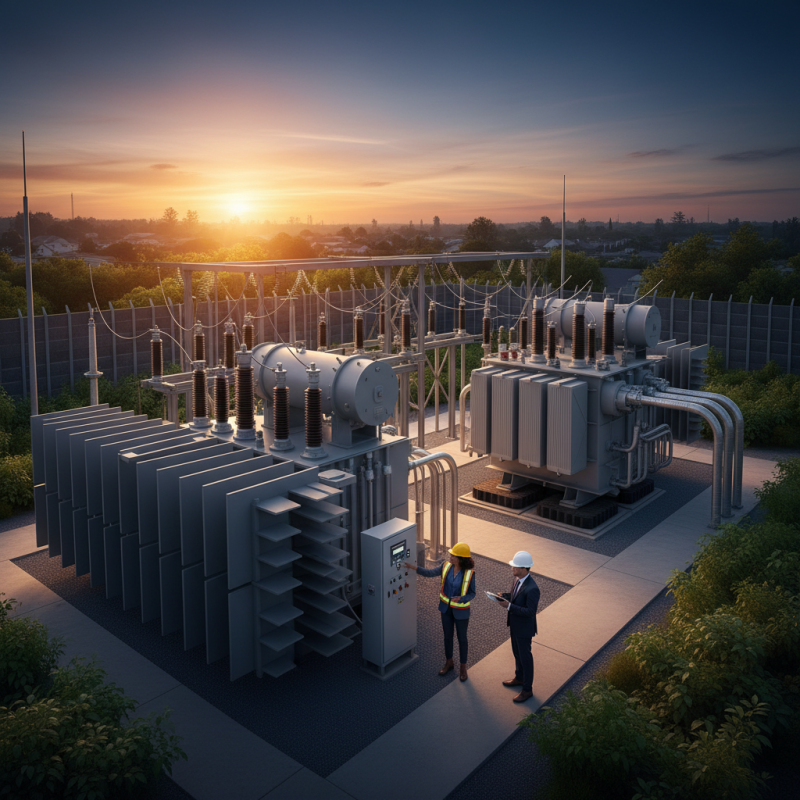
Top Power Transformer Noise Reduction Methods for Global Buyers?

Overview of Power Transformer Noise Issues and Their Impact

Power transformers are essential in electrical systems, but they generate significant noise. This noise can affect nearby communities, causing disturbance and health concerns. The sound originates from various sources, such as electromagnetic forces and mechanical vibrations. In urban areas, these noise levels can become intolerable. Residents may experience increased stress, sleep disturbances, and a decreased quality of life.


Addressing transformer noise is crucial for mitigating its impact. Engineers often implement sound insulation and vibration isolation techniques. These methods aim to contain noise within certain levels. However, not all solutions can fit every scenario. For instance, some insulation materials may not be effective in all environments. Additionally, the costs of these implementations may deter many operators from taking necessary action.


The interaction between transformers and their surroundings also complicates the situation. Some structures might amplify noise instead of muffling it. In these cases, simply adding barriers or damping materials does not guarantee relief. Relying solely on traditional methods can lead to incomplete solutions. It's essential for stakeholders to assess unique situations closely and adapt their strategies accordingly.

Types of Noise Generated by Power Transformers and Their Sources

Power transformers are essential in power distribution, yet they generate significant noise, impacting surroundings. This noise arises from several sources. The most prominent is the magnetostriction phenomenon. It generates a hum, especially during load fluctuations. Research indicates that this hum can reach levels of 80-90 decibels in urban areas, causing disturbances.

Another noise source is the vibration of oil within the transformer. This vibration can create audible sounds. Studies show that about 20% of all transformer noise is due to oil movement. Additionally, interactions between electrical components lead to high-frequency noises that can be bothersome, especially for nearby residents. These noises can peak at frequencies above 1 kHz, creating a sharp sound that is hard to ignore.

Addressing these noise issues is crucial for transformer manufacturers and users. Various noise reduction techniques exist, including installation of sound barriers and vibration isolation pads. However, many methods require careful evaluation. Not all are equally effective in different settings. Future research should explore innovative materials and designs that can more effectively mitigate noise while maintaining performance.

Effective Noise Reduction Techniques for Power Transformers

Power transformers play a crucial role in electrical systems. However, they often generate significant noise, which can disrupt nearby communities. Implementing effective noise reduction techniques is essential for improving the experience of residents living close to these facilities.

One effective technique involves using vibration isolation pads. These pads minimize the transfer of vibrations from the transformer to the surrounding structure. Additionally, sound barriers made from dense materials can be constructed. These barriers absorb sound waves, reducing noise propagation into the environment. Regular maintenance can also help in identifying weaknesses that may cause increased noise levels.

Another solution is the use of acoustic enclosures. These contain the transformer, significantly dampening sound emissions. Ensuring that transformers are installed on solid ground further helps to control noise. However, not every method suits every location. Site-specific assessments are crucial. Implementing changes based on these evaluations is vital for effective noise control.

Materials and Design Innovations for Enhanced Noise Mitigation

Noise reduction in power transformers requires innovative materials and design practices. Recent research highlights advancements in sound-absorbing materials that effectively minimize operational noise. These include composite materials with enhanced density and flexibility. When integrated into transformer design, such materials can greatly reduce sound transmission.

Moreover, innovative designs play a critical role in noise mitigation. Engineers are experimenting with varying transformer shapes and internal arrangements. These designs aim to disrupt sound waves, preventing them from traveling efficiently through the unit. For instance, optimizing the spacing between windings can lower vibration levels significantly.

Challenges remain, however. While these materials and designs show promise, their long-term durability and cost-effectiveness need scrutiny. Engineers must balance innovation with practical considerations. Further testing in real-world environments is necessary to evaluate performance. The pursuit of quieter transformers continues, reflecting an industry eager to improve.

Regulatory Standards and Practices for Transformer Noise Control

Transformer noise is a critical issue for many industries. Regulatory standards for noise control vary across countries. Many governments have set limits to protect public health. These limits often include maximum permissible noise levels. Ensuring compliance with these standards is essential for manufacturers.

Different regions may require varying approaches to noise reduction. It is important to evaluate local regulations meticulously. For instance, some regulations may demand specific testing procedures. Accurate measurements of noise levels are necessary for compliance. These assessments can guide improvements in design and operation.

Adopting effective noise control methods is an ongoing challenge. While some innovative techniques exist, not all have been widely implemented. Many companies struggle with balancing cost and effectiveness. Regular reviews of noise management practices can highlight areas needing improvement. Continuous feedback loops are vital for achieving better results.

Top Power Transformer Noise Reduction Methods for Global Buyers - Regulatory Standards and Practices for Transformer Noise Control

Noise Reduction Method Effectiveness Cost Compliance with Standards
Sound Insulation High Medium ISO 8528
Active Noise Control Very High High IEC 60076
Damping Materials Moderate Low CENELEC EN 50470
Enclosure Design High Medium IEC 60076
Use of Low-Noise Transformers High High IEEE C57.12.90

FAQS

: What is the primary source of noise from power transformers?

: The primary noise source is magnetostriction, which creates a humming sound during load changes.

How loud can transformer noise get in urban areas?

In urban areas, transformer noise can reach levels of 80-90 decibels, causing disturbances.

What role does oil play in transformer noise?

Oil vibrations contribute about 20% of the noise, creating audible sounds within the transformer.

What kind of noises do electrical components create?

Interactions between electrical components generate bothersome high-frequency noises, often above 1 kHz.

Why is addressing transformer noise important?

Reducing noise is crucial for manufacturers and users to limit disturbances to nearby residents.

Are all noise reduction techniques equally effective?

No, many techniques require careful evaluation as their effectiveness varies in different settings.

How do local regulations impact noise control?

Regulations dictate maximum allowable noise levels and specific testing procedures for compliance.

What challenges do companies face in noise control?

Balancing cost and effectiveness is a significant challenge for many companies implementing noise control measures.

How can organizations improve noise management practices?

Regular reviews and continuous feedback loops can highlight areas needing improvements in noise management.

What future research should focus on regarding transformer noise?

Future research should explore innovative materials and designs for more effective noise mitigation.

Conclusion

Power Transformer Noise Reduction Methods are essential for addressing the challenges posed by noise generated during transformer operation. This article provides an overview of power transformer noise issues and their impact on both the environment and human health. It identifies various types of noise generated, including airborne and structural noise, highlighting their sources and implications.

The article further explores effective noise reduction techniques, such as acoustic enclosures and vibration isolation strategies, along with innovative materials and design changes that enhance noise mitigation. Additionally, it discusses regulatory standards and practices that govern transformer noise control, guiding global buyers towards effective solutions. Overall, implementing these Power Transformer Noise Reduction Methods can significantly improve operational sustainability and community acceptance of power transformers.

Madeline

Madeline

Madeline is a dedicated marketing professional with a wealth of expertise in our company's core offerings. With a keen understanding of the industry, she brings a unique perspective to her role, consistently delivering high-quality content that highlights the superior aspects of our products. As......