Tanaka Electric Tanaka Electric

Essential Power Transformer Maintenance Tips You Need to Know?

Time:2026-05-03 Author:Henry
0%

Maintaining power transformers is crucial for reliable electrical systems. Effective Power Transformer Maintenance Tips can significantly extend the lifespan of equipment. Neglecting maintenance can lead to unexpected failures and costly downtime.

Many operators overlook minor signs of wear and tear. Regular inspections can reveal issues before they escalate. For instance, checking oil levels and monitoring temperature trends is essential. These small tasks can prevent major breakdowns and enhance safety.

Understanding the common pitfalls in transformer maintenance is equally important. Lack of documentation often leads to repeated mistakes. The wrong practices can compromise equipment integrity. By implementing these Power Transformer Maintenance Tips, operators build a robust maintenance culture. This not only ensures operational efficiency but also promotes reliability in power delivery.
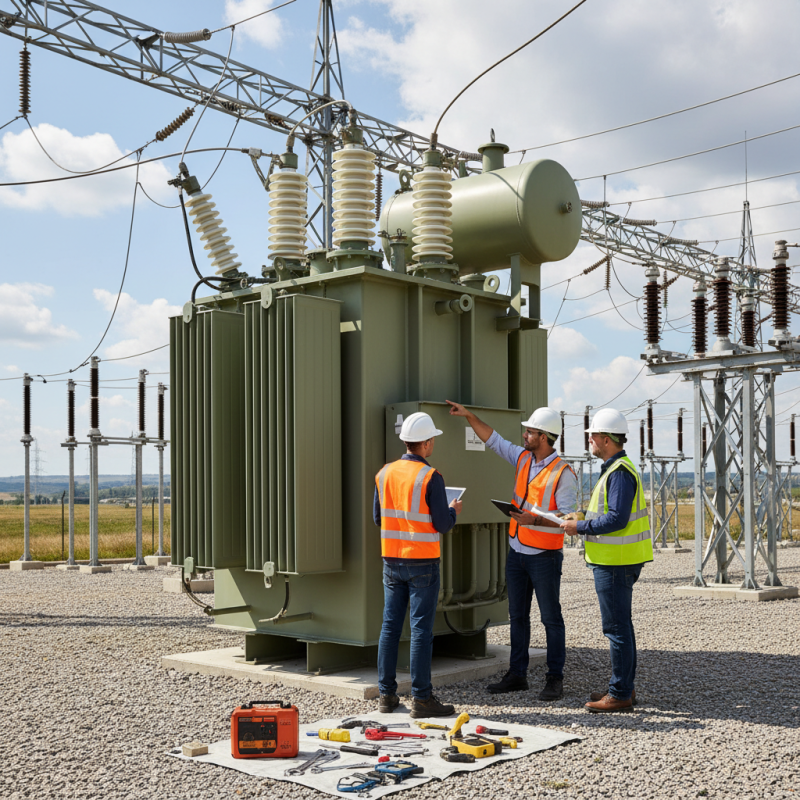
Essential Power Transformer Maintenance Tips You Need to Know?

Key Components of Power Transformers Requiring Maintenance

Regular maintenance of power transformers is essential to ensure operational efficiency and longevity. Key components that require attention include bushings, insulating oil, and tap changers. According to the IEEE, nearly 70% of transformer failures are associated with insulation issues. It is vital to monitor these components closely to prevent catastrophic failures.

Tips for maintaining bushings include regular visual inspections and electrical testing. A thorough check can reveal signs of wear or damage. Implementing preventive maintenance schedules can drastically reduce downtime. It’s estimated that preventive maintenance can extend transformer life by up to 25%. Insulating oil needs routine analysis to check its quality. Contaminants can degrade performance and lead to short circuits.

Tap changers also play a critical role in transformer health. They require lubrication and adjustment throughout their lifecycle. Inadequate maintenance can lead to failures, affecting the entire power system. Keeping a detailed maintenance log can help identify trends and issues early on. These measures not only enhance reliability but significantly reduce long-term operational costs.

Routine Inspection Procedures for Power Transformers

Routine inspections are crucial for maintaining the reliability of power transformers. Regular checks can help identify potential issues before they escalate. Start by inspecting for leaks. Oil leaks can indicate serious problems. Ensure that all seals are intact. Look for any signs of wear on components, including connectors and bushings. Noticing small cracks or corrosion can save you headaches later.

Next, check the temperature levels. Abnormal temperatures may lead to malfunction. Use an infrared camera for a quick assessment. It's essential to keep an eye on the insulation quality. Regularly review insulation resistance readings. These readings provide insights into possible insulation breakdowns. If numbers drop dramatically, consider additional testing.

Finally, ensure that the cooling system functions efficiently. A malfunctioning cooling system can cause overheating. Inspect fans and pumps regularly. Pay attention to unusual noises during operation. These could signal a deeper issue. Engage in documented inspections to track trends over time. This can highlight patterns that might not be obvious in one-off checks. Regularly engaging in these routines reinforces the reliability of your power transformers.

Best Practices for Oil Sampling and Analysis

Regular oil sampling and analysis are vital for the health of power transformers. These practices help detect potential issues early. Monitoring the oil condition can reveal insights into insulation integrity and contaminants. A proactive approach to oil analysis can prevent costly failures.

When sampling, follow standard procedures to ensure accuracy. Use clean containers to avoid contamination. Choose representative sampling locations, ideally a few inches from the bottom. Remember, sample timing matters. Routine testing schedules can capture changes that occur over time.

Interpreting the analysis results is equally important. Look for key indicators like moisture content and dissolved gases. High moisture levels indicate potential insulation breakdown. Meanwhile, excessive gases may imply overheating. Yet, results can vary. Sometimes, unexpected findings require further investigation. Engaging with knowledgeable professionals for analysis interpretation will enhance reliability.

Common Issues and Troubleshooting Techniques for Transformers

Transformers are crucial for electricity distribution. They step down high voltage for safe use. However, they face common issues. Regular inspection is vital. According to a report by the Electric Power Research Institute (EPRI), nearly 20% of transformer failures are due to insulation breakdown. This can stem from overheating or electrical surges. Monitoring temperature and electrical parameters is essential to prevent these failures.

Another frequent problem is leakage of oil. This can indicate internal issues like a broken seal or corrosion. Routine maintenance checks should include inspecting gaskets and seals to avoid leaks. Regular tests for moisture in insulation can help detect problems early. EPRI also notes that 10% of transformers can develop fluid leaks, which may lead to more severe damage.

Load imbalance is another critical concern. It may cause overheating and premature aging of the transformer. Continuous monitoring of the load and immediate corrective action is necessary. Reports show that problems can arise if the load varies significantly. Therefore, staying informed about operating conditions ensures longevity. Transformers require diligent care, and understanding these common issues is vital for effective maintenance. Reflecting on past failures can guide better practices.

Essential Power Transformer Maintenance Tips

Safety Protocols When Performing Maintenance on Power Transformers

Power transformer maintenance is crucial for ensuring system reliability and safety. When working on transformers, adhering to safety protocols can prevent accidents. A report from the Institute of Electrical and Electronics Engineers indicates that 70% of transformer failures are linked to maintenance errors. Awareness of hazards is essential.

Before performing maintenance, always disconnect power sources. Use lockout/tagout procedures to prevent accidental re-energization. Personal protective equipment (PPE) is a must. Insulated gloves, hard hats, and face shields are vital for protection against electrical arcs. According to the National Fire Protection Association, electrical hazards account for nearly 10% of workplace fatalities.

During maintenance, keep tools organized and in good condition. Avoid using damaged equipment as it can lead to further complications. Take time to inspect all connections for signs of wear or corrosion. A study by the Electric Power Research Institute found that regular visual inspections can reduce fault occurrences by 30%. Reflection on past maintenance activities helps identify areas for improvement, ensuring a safer environment.

FAQS

: Why is regular maintenance important for power transformers?

: Regular maintenance ensures operational efficiency and extends transformer longevity, preventing costly failures.

What are the key components of power transformers?

The key components include bushings, insulating oil, and tap changers, all requiring close monitoring.

How can I maintain bushings effectively?

Perform regular visual inspections and electrical tests to detect wear or damage early.

Why is insulating oil analysis necessary?

Routine analysis checks oil quality, preventing contaminants from causing performance issues or short circuits.

What role do tap changers play in transformer health?

Tap changers require lubrication and adjustment to prevent failures that could disrupt the power system.

How can I check for potential leaks?

Inspect for oil leaks, ensure seals are intact, and look for signs of wear on components.

How do I monitor temperature levels in transformers?

Use an infrared camera for quick assessments; abnormal temperatures may indicate malfunctions.

What should I track in maintenance logs?

Keeping a detailed log helps identify trends, issues, and overall transformer health over time.

Why check insulation resistance readings?

Regular reviews provide insights into potential insulation breakdowns, crucial for transformer functionality.

How can I ensure a cooling system works efficiently?

Inspect fans and pumps, and listen for unusual noises that may signal deeper issues.

Conclusion

Effective Power Transformer Maintenance is crucial for ensuring the reliability and longevity of power systems. Key components that require regular maintenance include bushings, tap changers, and insulation. Routine inspection procedures should encompass visual checks, electrical tests, and thermal imaging to identify any potential issues early. Additionally, best practices for oil sampling and analysis can help monitor the health of transformer fluids and detect any degrading conditions.

Common issues such as overheating, insulation failure, and oil leaks can be mitigated through proper troubleshooting techniques. It's essential to follow safety protocols when performing maintenance to protect both personnel and equipment. By adhering to these Power Transformer Maintenance Tips, operators can enhance performance and reduce the risk of costly downtime.

Henry

Henry

Henry is a dedicated marketing professional with a profound expertise in the company's offerings. With years of experience in the industry, he possesses an impressive understanding of the market dynamics and consumer behaviors that drive success. Henry is committed to sharing his insights through......