Tanaka Electric Tanaka Electric

Power Transformer Installation Best Practices for Efficiency

Time:2026-04-29 Author:Henry
0%

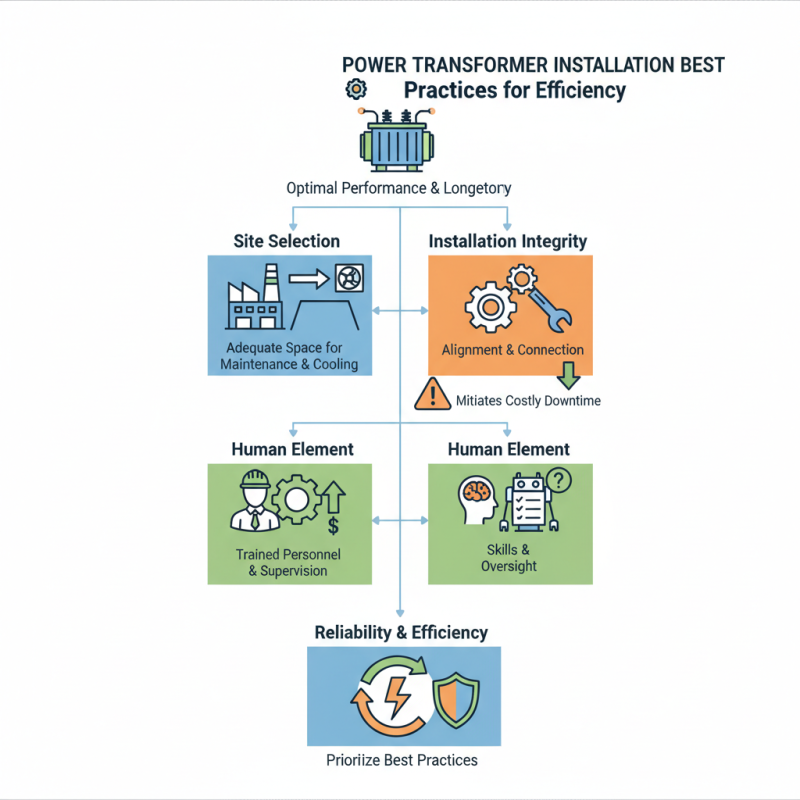
Efficient power transformer installation is crucial for optimal performance and longevity. Implementing **Power Transformer Installation Best Practices** can significantly impact operational efficiency. Understanding the intricacies of installation helps mitigate risks.

Experience in the field shows that proper site selection plays a vital role. Adequate space for maintenance and cooling must be considered. Attention to detail in alignment and connection integrity cannot be overstated. Once overlooked, these factors often lead to costly downtime.

While technology advances, human errors can still occur. Ensuring proper training and supervision of personnel is essential. Relying solely on automated systems may pose challenges. Reflecting on past installations reveals the importance of both skills and oversight. Prioritizing these best practices can enhance both reliability and efficiency.
Power Transformer Installation Best Practices for Efficiency

Overview of Power Transformer Installation

When installing power transformers, attention to detail is crucial. Proper installation impacts performance and lifespan. According to the IEEE, about 30% of transformer failures relate to improper installation practices. This statistic underscores the importance of following best practices to ensure reliability.


In the installation process, site preparation is essential. The foundation must be level and capable of supporting the transformer weight. Experts recommend checking for soil stability and drainage issues. A well-planned layout enhances accessibility for maintenance and minimizes complications that may arise later. Regularly referenced guidelines from the IEC suggest keeping a safe distance from structures to avoid electromagnetic interference.


Cable connections are another critical area where mistakes can occur. Loose or corroded connections lead to inefficiencies and ease of failure. Regular inspections are necessary to ensure tight connections and proper insulation. Data from EPRI indicates that 20% of electrical incidents stem from connection issues. Such insights highlight the need for diligent oversight and cautious installation practices.

Pre-Installation Considerations and Site Preparation

When preparing for the installation of a power transformer, site conditions play a crucial role. Assessing the terrain is vital. The ground must be stable and capable of supporting the heavy weight of the transformer. Soil tests can provide insight into its load-bearing capacity. Proper drainage is essential to prevent water accumulation, which could damage the transformer. Consider any nearby structures or vegetation that might impact installation or future maintenance.

Weather conditions must also be evaluated. Extreme temperatures can affect installation schedules. Rain or snow can create hazardous conditions. Organizing work during milder seasons may yield better results. Coordination with local authorities may be necessary for any required permits or inspections.

Lastly, creating a comprehensive installation plan is non-negotiable. This includes safety protocols for all personnel involved. Engaging experts for site assessments can enhance reliability. Mistakes in planning can lead to costly delays. Always be open to adjusting the initial plan based on the findings during preparations. These details may seem minor, yet they collectively contribute to the overall success of the transformer installation.

Power Transformer Installation Best Practices for Efficiency - Pre-Installation Considerations and Site Preparation

Consideration Description Importance Level
Site Assessment Evaluate the physical site conditions including soil type, drainage, and access. High
Environmental Considerations Assess environmental impact and compliance with local regulations. Medium
Foundation Design Design an appropriate foundation to support the transformer weight and ensure stability. High
Access Roads Ensure proper access for heavy transport vehicles to deliver the transformer. High
Electromagnetic Considerations Plan for the management of electromagnetic interference (EMI) around the site. Medium
Utility Services Verify the availability of utility services such as power supply and water for cooling. High
Safety Measures Establish safety protocols to protect personnel during installation and testing. Critical

Best Practices for Transformer Handling and Transportation

When transporting power transformers, proper handling is crucial. Careless movements can lead to damage. The integrity of the transformer relies on how it is transported. Use appropriate equipment to secure the transformer during transport. This preventative step minimizes potential risks associated with road vibrations.


Tips: Always use lifting gear rated for the transformer’s weight. Inspect it regularly for wear. Employ trained personnel for loading and unloading. They must understand the risks involved. This prevents accidents and improves safety.


During the transportation phase, monitor environmental conditions. Extreme temperatures can harm transformer components. Check for moisture and dust exposure. These factors can compromise efficiency if not managed properly.


Tips: Use protective coverings to shield against the elements. Transport vehicles should have adequate insulation. Document every stage of transit; it aids in tracking potential issues down the line. Aim for consistent communication among team members throughout the process. This fosters a collaborative environment that enhances safety practices.

Optimal Connection Techniques for Efficiency

Optimal connection techniques play a crucial role in the efficiency of power transformer installations. Implementing the right methods can significantly reduce energy loss, which is vital in today's power-demanding environment. Industry reports indicate that over 80% of energy losses in transformers occur due to inefficient connections. Proper connector usage ensures minimal impedance and enhances overall system performance.

It is vital to consider the physical layout during installation. Tight connections help improve energy transfer. However, too much pressure can damage components, leading to potential failures. A balance between stability and flexibility is essential. According to a study by the Electrical Power Research Institute, proper torque settings can decrease overheating in connections by up to 30%. This not only improves the lifespan of the transformer but also boosts the reliability of the entire grid.

Training and expertise in connection techniques are equally important. Many technicians overlook crucial details, leading to subpar installations. Consistent evaluation and feedback loops should be established to reinforce best practices. Ensuring your team is well-versed in the latest techniques can mitigate risks associated with electrical failures. A dedicated focus on optimizing connection processes creates a more robust and efficient electrical system.

Post-Installation Testing and Maintenance Procedures

After the installation of a power transformer, thorough testing is crucial. This ensures that the equipment operates as intended. According to industry standards, more than 30% of transformer failures occur within the first year. A robust post-installation testing protocol can significantly reduce these failures. Tests like insulation resistance and power factor testing can reveal weaknesses before they lead to catastrophic failures.

Regular maintenance also plays a key role. Routine inspections, oil analysis, and thermal imaging help identify potential issues. A study by the Electric Power Research Institute noted that effective maintenance can extend transformer life by 25%. However, many facilities neglect this aspect due to budget constraints or lack of personnel. This often results in unexpected downtimes, impacting operational efficiency.

Documentation is essential during these processes. Maintaining records of tests and maintenance schedules helps track performance and establish baseline data. Some facilities, however, fail to keep these records consistently. This oversight complicates future troubleshooting and shows a lack of accountability. Proper documentation not only aids in compliance but also enhances the reliability of the power system overall.

FAQS

: What is the impact of improper power transformer installation?

: About 30% of transformer failures are related to improper installation practices. This highlights the need for careful attention during installation.

Why is site preparation important for transformer installation?

A level foundation supports the transformer’s weight. It reduces complications and enhances accessibility for maintenance.

What should be checked before transformer installation?

Soil stability and drainage issues must be assessed. This prevents future problems and ensures a safe installation.

What common mistakes are made with cable connections?

Loose or corroded connections can lead to failures. Regular inspections help maintain tight connections and proper insulation.

How can one ensure safe transportation of transformers?

Use appropriate equipment and trained personnel for loading. This prevents damage and enhances overall safety during transport.

What environmental conditions should be monitored during transformer transport?

Extreme temperatures, moisture, and dust exposure can harm the transformer. Protective measures should be taken to mitigate these risks.

How do optimal connection techniques affect transformer efficiency?

Proper connections reduce energy loss. Over 80% of losses occur due to inefficient connections, hence effective techniques are vital.

What balance must be achieved in connection techniques?

A balance between stability and flexibility is essential. Too much pressure can damage connections and lead to failures.

How can training improve installation practices?

Training ensures technicians avoid overlooked details. Regular evaluations create feedback loops that reinforce best practices in installations.

What role does documentation play during transformer transport?

Documenting each transport stage helps track potential issues. Consistent communication among teams enhances overall safety.

Conclusion

In the realm of electrical infrastructure, adhering to "Power Transformer Installation Best Practices" is crucial for ensuring efficiency and longevity. The installation process begins with a thorough overview that highlights the importance of careful planning and site preparation, including considerations such as environmental factors and accessibility. Proper handling and transportation techniques are paramount to avoid damage during transit, while optimal connection techniques further enhance the transformer's operational efficiency.

Once installation is complete, conducting rigorous post-installation testing and establishing maintenance procedures are essential steps to validate performance and ensure reliability. By following these best practices, organizations can maximize the efficiency and lifespan of power transformers, ultimately contributing to a more sustainable energy system.

Henry

Henry

Henry is a dedicated marketing professional with a profound expertise in the company's offerings. With years of experience in the industry, he possesses an impressive understanding of the market dynamics and consumer behaviors that drive success. Henry is committed to sharing his insights through......