Tanaka Electric
Power transformers are essential components in electrical systems. However, they can pose significant fire hazards if not managed properly. Effective Power Transformer Fire Safety Measures are crucial to prevent incidents that can lead to severe damage and safety risks. Understanding these measures helps mitigate potential dangers associated with transformer operations.
The complexity of transformer systems requires specialized knowledge. Regular maintenance and inspection play vital roles in fire safety. Implementing protective devices can also minimize risks. It’s vital to stay informed about best practices and advancements in technology. Often, facilities overlook simple yet effective safety protocols that could avert disasters. A shared responsibility exists among engineers, operators, and safety personnel.
In this landscape, the need to remain vigilant cannot be understated. Even minor lapses in safety practices can result in catastrophic outcomes. Addressing gaps in knowledge and execution is necessary for improved safety outcomes. Thus, continuous training and evaluation of Power Transformer Fire Safety Measures remain imperative for every organization. Each step taken towards better safety protocols ensures protection for personnel and infrastructure alike.
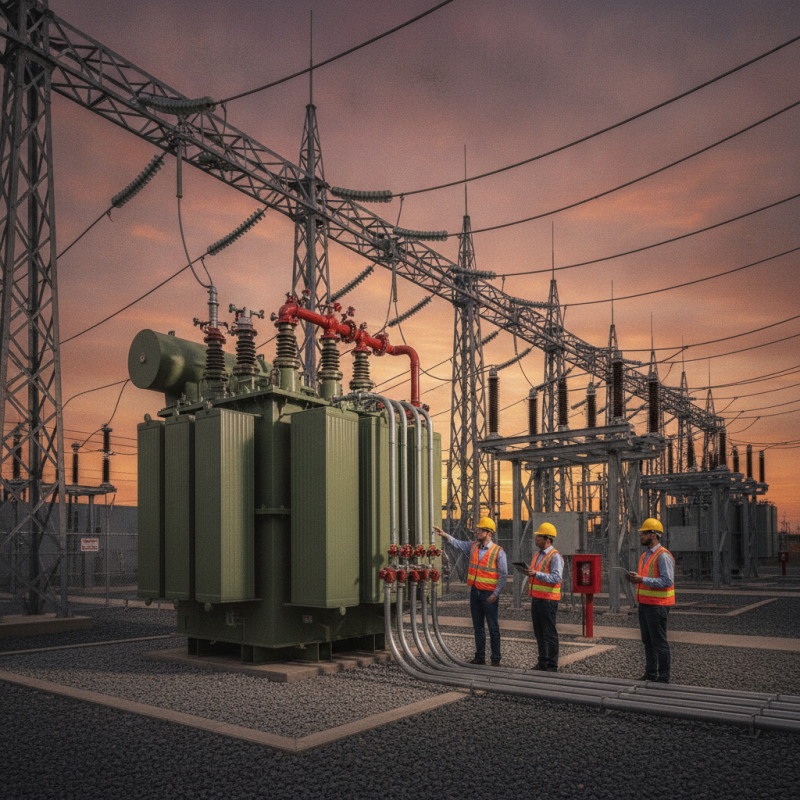
Power transformers are vital for energy distribution, yet they pose significant fire hazards. Common risks include electrical failures, overheating, and insulation breakdown. According to industry reports, approximately 70% of transformer fires are linked to human error or equipment malfunction.
To mitigate these risks, regular maintenance is crucial. Inspect connections and insulation regularly. Upgrade cooling systems if overheating occurs. A cooling failure can lead to a fire in less than an hour. Some transformers may not have adequate fire containment systems. Investing in fire-resistant barriers can reduce damage significantly.
Install fire detection systems to provide early warnings. A study shows that facilities with early detection systems experience 40% fewer damages from fires. Training staff on emergency protocols is essential. Fire drills can prepare teams for real incidents, reducing chaos. Ensure proper storage of flammable materials nearby. Awareness is key to preventing disasters.
Power transformers are critical components in electrical grids. However, they can pose fire hazards if not properly maintained. A robust preventive maintenance program is essential for ensuring fire safety. Regular inspections play a key role in identifying potential issues like oil leaks or overheating. Visual checks can sometimes miss problems, so thermographic imaging should be used. This technology can detect hot spots that may indicate electrical faults.
Another important practice is the analysis of transformer oil. Deteriorating oil can point to insulation breakdown or other internal issues. Conducting routine oil testing helps in early detection of these problems. It is also crucial to keep the surrounding area free of combustible materials. This reduces risks significantly. Regularly cleaning the transformer site can prevent debris accumulation, which can fuel a fire.
Training personnel to recognize warning signs is equally vital. They should understand how to respond to emergencies. Awareness campaigns within organizations can enhance preparedness. Reflecting on past incidents in similar environments can guide improvements. Each step taken today can significantly improve fire safety tomorrow.
Fire safety for power transformers is crucial in preventing catastrophic events. One of the key components in achieving this is the implementation of effective fire detection systems. According to a report by the International Energy Agency, approximately 80% of transformer failures are due to insulation breakdown, which often leads to fires. Therefore, having reliable detection systems in place is essential to identify issues early.
Regular inspections of fire detection systems should not be overlooked. These systems include smoke detectors, heat detectors, and fire alarms specifically designed for transformer environments. Traditional smoke detectors may not be suitable due to high levels of humidity and particulate matter found in substations. Instead, using robust thermal imaging cameras can instantly detect overheating issues. Data suggests that early detection can reduce damages by up to 70%.
Tips for enhancing transformer fire safety include ensuring adequate spacing between transformers. This reduces the likelihood of fire spread. Regular training for personnel on fire response protocols is vital. They should know how to operate fire extinguishing systems effectively. Lastly, integrating remote monitoring technology can provide real-time data on transformers. This proactive approach helps detect anomalies before they escalate into serious fires.
This chart displays the importance levels of various fire safety measures for power transformers. Implementing these measures can significantly reduce risks and enhance safety protocols.
Emergency response plans for transformer fire incidents are crucial for maintaining safety. When a fire breaks out, quick action is vital to mitigate the risks. Clear communication is essential. All staff should know the emergency numbers and evacuation routes. Regular drills can familiarize everyone with these processes.
A well-structured plan includes fire detection systems that trigger alarms instantly. These systems should be regularly maintained to ensure they function properly. Fire extinguishers must be nearby, and staff should be trained to use them effectively. Discovering gaps in training helps improve the response strategy.
Post-incident reviews are essential. Analyzing what worked and what didn't can reveal areas needing attention. Feedback from responders can guide improvements. Continuous education encourages a culture of safety, making the workplace more resilient to future incidents. Regular updates to the emergency response plan are necessary to adapt to any changes in equipment or layout.
Training and drills are essential for managing transformer fire risks effectively. Personnel must understand the specific hazards associated with power transformers. Regular training sessions foster a culture of safety. These sessions should include hands-on experiences and real-case scenarios to reinforce learning. Practical drills reveal weaknesses in procedures. They also highlight areas for improvement.
Simulations are a vital part of training. They prepare staff for potential emergencies. During drills, employees can practice their response to a transformer fire. This includes locating fire extinguishers and activating alarms. Realistic scenarios challenge personnel to think critically. However, not all personnel may respond as expected under pressure. Continuous assessment is necessary.
Feedback from drills helps refine safety protocols. It allows teams to adjust their strategies and improve performance. Some employees might feel anxious during drills, which is normal. Addressing these feelings can enhance their confidence. Ultimately, investing in training not only protects assets but also saves lives. A commitment to ongoing education is a hallmark of any reputable organization.
| Safety Measure | Description | Training Frequency | Personnel Involved |
|---|---|---|---|
| Regular Inspections | Conduct thorough inspections to identify potential risks. | Monthly | All Operational Staff |
| Fire Safety Training | Provide training on basic fire safety and emergency procedures. | Quarterly | Safety Officers, Technicians |
| Emergency Response Drills | Conduct drills to practice response to fire incidents. | Bi-Annually | All Staff |
| Fire Prevention Systems | Install and maintain fire alarms and suppression systems. | Annual | Maintenance Team |
| Risk Assessment Reviews | Regularly assess and update fire risk assessments. | Annually | Safety Management |
: It helps identify fire hazards early through inspections and tests.
It detects hot spots that indicate potential electrical faults in transformers.
Deteriorating oil indicates insulation issues, which can lead to fires.
They need to identify warning signs and know how to respond during emergencies.
Keeping them free of combustible materials reduces fire risks significantly.
Systems should include specialized smoke and heat detectors designed for transformer environments.
Clear communication, evacuation routes, and trained personnel are essential for safety.
It provides real-time data, helping detect anomalies before they escalate.
They reveal what worked, what didn't, and guide necessary improvements for safety.
Regular inspections ensure these systems function properly and can detect fires early.
Power Transformer Fire Safety Measures are crucial for preventing and managing fire risks associated with power transformers. These hazards can arise from various sources, including electrical failures, insulation breakdowns, and external factors like environmental conditions. To mitigate these risks, implementing preventive maintenance practices is essential. Regular inspections and maintenance of transformer components help identify potential issues before they escalate into serious problems.
Additionally, installing effective fire detection systems can significantly enhance transformer safety by providing early warnings in the event of a fire. Establishing comprehensive emergency response plans ensures that personnel are prepared to act swiftly in case of a fire incident. Training and conducting drills for staff on transformer fire risk management further equips them with the knowledge and skills necessary to handle emergencies effectively. Collectively, these strategies form a robust framework for Power Transformer Fire Safety Measures, safeguarding both equipment and personnel.
