Tanaka Electric
Understanding the significance of "Power Transformer Energy Efficiency Standards" is crucial for the electrical industry. These standards serve as a benchmark for performance, ensuring that power transformers operate reliably and efficiently. High energy consumption in these transformers can lead to increased operational costs and environmental impacts. Compliance with established standards helps mitigate these issues.
Professionals must stay updated on regulatory changes regarding efficiency standards. Implementing these standards is not just about compliance; it's about enhancing system resilience. Companies may struggle with outdated equipment, requiring reflection on their practices. Aligning with energy efficiency metrics can create opportunities for innovation and modernization.
The transition to higher efficiency transformers may involve initial costs. However, the long-term savings often outweigh these investments. A deeper understanding of these standards can guide decision-making. Thus, organizations must commit to continual improvement in energy efficiency practices. Embracing this challenge can lead to substantial benefits for both the industry and the environment.
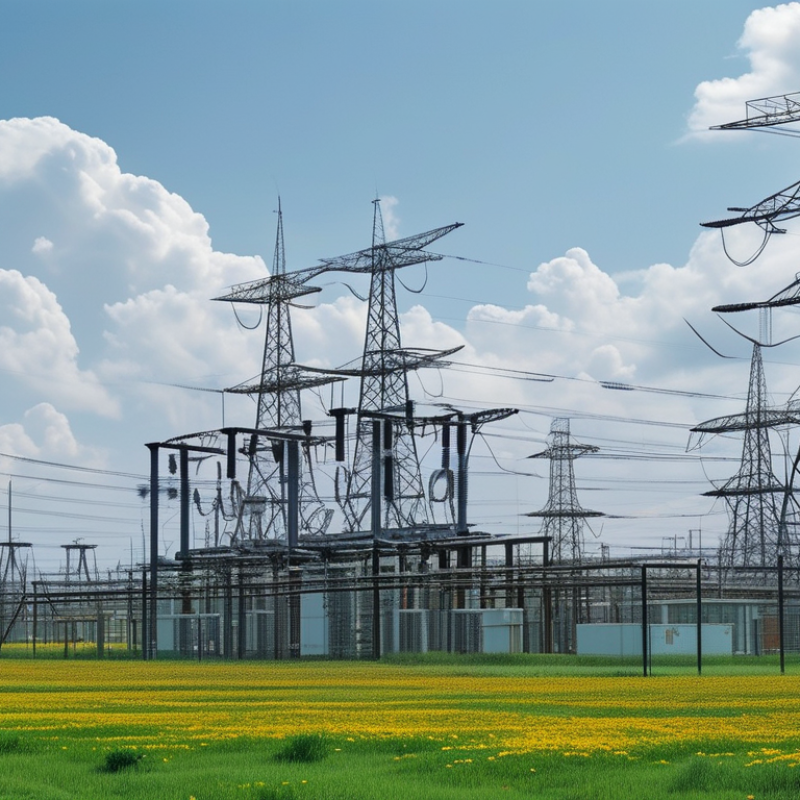
Power transformers play a crucial role in electrical grids. Their energy efficiency directly impacts operational costs and environmental sustainability. According to the U.S. Department of Energy, energy losses from transformers can account for over 2% of annual electricity consumption. Improving efficiency is essential to mitigate these losses.
Standards for power transformer efficiency have evolved significantly over the years. The latest regulations emphasize the need for higher performance and reduced energy consumption. The American National Standards Institute (ANSI) and the International Electrotechnical Commission (IEC) provide frameworks that guide manufacturers in enhancing transformer designs. Recent studies suggest that compliant transformers can save utilities up to 15% in energy costs, highlighting the importance of these standards.
However, not all transformers meet these efficiency standards. Some older models still operate in the field, leading to unaddressed energy losses. Regular audits and assessments can reveal gaps in compliance. Upgrading to newer models can be cost-effective in the long run. It is vital to continually reassess transformer performance and ensure adherence to the evolving energy efficiency standards.
Energy efficiency in transformer design is crucial for reducing operational costs and minimizing environmental impact. According to the International Energy Agency, transformers account for about 5% of global electricity consumption. This highlights the need for stringent energy efficiency standards. Improved transformer designs can significantly lower losses, potentially saving billions of dollars annually.
Transformers typically operate with energy losses ranging from 2% to 8%. These losses occur during both no-load and full-load conditions. Adopting advanced materials and design techniques can enhance efficiency. For example, using amorphous steel for core construction can reduce no-load losses by up to 70%. This impactful change leads to better performance and longer lifespan.
Nevertheless, the transition to efficient designs is not without challenges. High initial costs deter some manufacturers and end users. There can be a mismatch between efficiency gains and the investment rate. Additionally, the grid infrastructure often lags behind current efficiency standards, complicating upgrades. Continuous research and regulatory support are essential for overcoming these barriers and driving the development of more energy-efficient transformers.
When it comes to power transformer efficiency, understanding the regulations and guidelines is essential. Various standards exist to promote energy efficiency in transformers. These standards often focus on minimizing losses during energy conversion. Key regulations may cover aspects such as design criteria, testing methods, and efficiency classifications. Compliance ensures not just efficiency but also long-term savings.
The International Electrotechnical Commission (IEC) sets critical guidelines for transformer performance. These guidelines define minimum efficiency levels. Additionally, regional regulations can vary widely. It is crucial for organizations to stay updated on local laws. Knowledge of these frameworks aids in selecting suitable transformers. However, many industry players still struggle with retrofitting older models to meet these newer standards.
Transformers must undergo regular evaluation to ensure they adhere to these guidelines. Implementing energy-efficient designs can be complex. Some engineers report challenges in balancing cost and efficiency. It is vital to approach these situations thoughtfully, recognizing that compliance may involve trade-offs. Building awareness around these regulations fosters better decision-making in the industry.
Achieving higher energy efficiency in power transformers begins with a deep understanding of their operational principles. One effective method is to monitor and minimize losses. This involves assessing core losses and copper losses separately. Core losses occur due to magnetic hysteresis, while copper losses relate to resistance in the windings. Regularly measuring these losses can provide insight into transformer performance and indicates areas for improvement.
Implementing advanced technologies can enhance efficiency. For instance, using high-quality insulating materials reduces heat generation. This not only improves transformer longevity but also decreases energy waste. Additionally, regular maintenance is crucial. Neglecting routine checks can lead to inefficiencies that are easily preventable. Understanding the environmental impact of transformer operation is key. Upgrading to more efficient models requires investment but ensures sustainability.
Reflections on previous practices show that many organizations overlook the importance of education and training. Staff should be well-informed about the latest efficiency standards. Not all companies prioritize this, leading to gaps in knowledge and practices. It’s crucial to foster a culture of continuous improvement. Embracing these practices can lead to better energy efficiency and long-term benefits for both the transformer and the environment.
| Tip | Description | Expected Improvement (%) |
|---|---|---|
| Regular Maintenance | Perform routine inspections and maintenance to identify and resolve inefficiencies. | 10-15% |
| Upgrade to High-Efficiency Models | Replace old transformers with high-efficiency models that meet or exceed current standards. | 20-30% |
| Optimize Loading Conditions | Ensure transformers operate at optimal loading conditions to reduce losses. | 5-10% |
| Enhance Cooling Systems | Improve or upgrade cooling systems to maintain optimal temperatures. | 10-20% |
| Targeted Load Management | Implement load management techniques to avoid overload and optimize efficiency. | 15-25% |
Power transformers play a crucial role in the efficiency of electrical grids. Future trends emphasize enhanced efficiency standards, driven by environmental concerns and energy savings goals. The International Energy Agency (IEA) estimates that improving transformer efficiency could reduce global electricity consumption by over 1,500 terawatt-hours by 2040. This is a significant achievement, considering the rising demand for electricity.
Enforcement of stricter regulations will likely shape the market. New efficiency classes are emerging, where transformers are designed to minimize energy losses during operation. Reports indicate that modern designs could achieve efficiency levels exceeding 99%, thereby curbing unnecessary energy waste. As technology advances, we may see the incorporation of smart monitoring systems that help optimize performance in real time.
Evaluating your current systems is essential. Upgrade only when necessary. Consider conducting energy audits to measure performance accurately. Look into regional standards for transformers, as they can significantly impact efficiency. By staying informed about upcoming regulations, businesses can align their operations with future sustainability goals. Remember, small adjustments today can lead to substantial savings tomorrow.
: Understand their operational principles to monitor and minimize losses.
Core losses and copper losses should be considered separately.
Neglecting routine checks can lead to inefficiencies that are easily preventable.
High-quality insulating materials can reduce heat generation and energy waste.
Education and training about efficiency standards are crucial for staff.
Improving efficiency could reduce consumption by over 1,500 terawatt-hours.
They minimize energy losses during operation of transformers.
They provide accurate performance measures, which can inform necessary upgrades.
Stay informed about upcoming standards and adjust operations accordingly.
Smart monitoring systems could optimize performance in real time.
The article on "Power Transformer Energy Efficiency Standards" highlights the critical role of energy efficiency in transformer design and operation. It begins with an overview of the current standards that govern power transformer efficiency, emphasizing their importance for reducing energy losses and operational costs. The discussion then delves into key regulations and guidelines that shape compliance for manufacturers and users alike, focusing on best practices that can be adopted to enhance energy efficiency in transformer systems.
Moreover, the article explores future trends in power transformer efficiency standards, indicating a growing emphasis on innovation and sustainability within the industry. By adhering to these standards and adopting best practices, stakeholders can significantly improve the energy efficiency of their power transformers, ultimately contributing to a more sustainable energy landscape.
