Tanaka Electric
Power transformer cooling methods are crucial for the efficient operation of electrical grids. According to a report by the International Energy Agency, about 70% of transformer failures are linked to overheating issues. Thus, understanding "Power Transformer Cooling Methods Explained" is essential for enhancing transformer lifespan and reliability.
Several cooling techniques exist, ranging from natural cooling to forced and active cooling systems. Natural cooling relies on ambient air or liquid, while forced methods utilize fans or pumps to increase heat dissipation. Each method has its advantages and potential drawbacks. For instance, while natural cooling is cost-effective, it may not suffice for high-capacity transformers.
The implementation of the right cooling method not only improves performance but also mandates a robust understanding of electrical systems. Reports suggest that improper cooling can lead to insulation breakdown. This can create a cycle of maintenance challenges. Knowing effective cooling strategies can prevent these problems before they arise. Adopting the right practices will nurture a more reliable energy infrastructure.
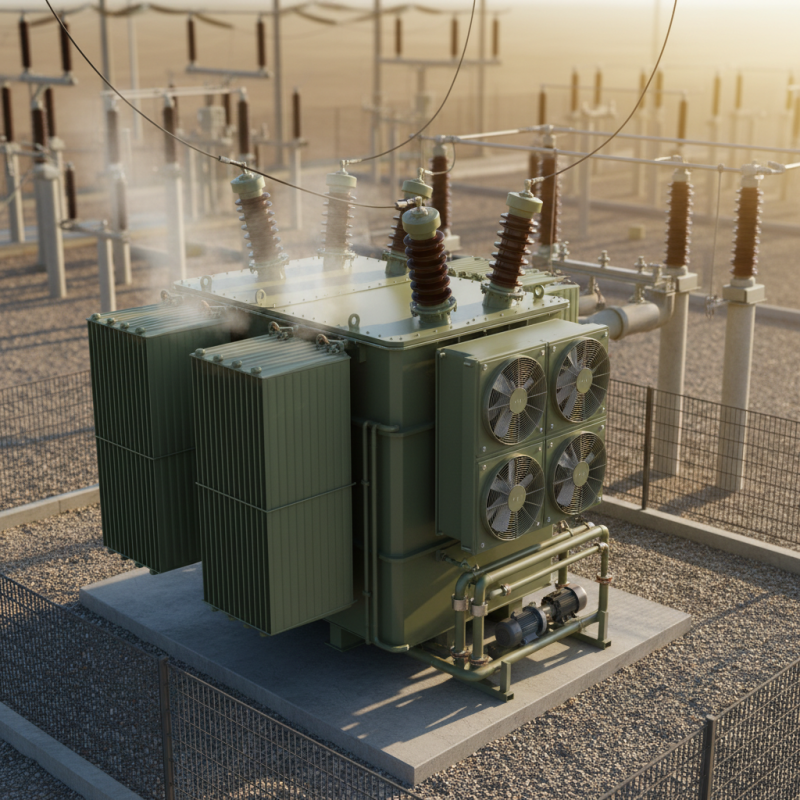
Power transformers are essential in electrical systems, and their cooling methods play a crucial role in maintaining efficiency. There are several effective cooling techniques used in the industry. These methods ensure that transformers operate optimally and safely.
One popular method is oil cooling. In this technique, transformer oil absorbs heat and transfers it away from the core. It's efficient for large transformers, as oil can maintain a steady temperature. Another method is air cooling, which relies on fans and the natural flow of air to dissipate heat. While less effective than oil, it's simpler and requires less maintenance.
For more specific needs, water cooling is sometimes employed. This method uses water to transfer heat away from the transformer. It can be highly efficient but requires careful management to prevent leaks or contamination. Each method has its strengths and weaknesses. Understanding these nuances is vital for specialists in the field. Continuous assessment of cooling systems can lead to improved transformer performance and longevity.
Transformer cooling is crucial for maintaining efficiency and longevity in electrical systems. High temperatures can lead to insulation breakdown and increased maintenance costs. According to the Electric Power Research Institute (EPRI), improper cooling can diminish transformer life by up to 50%. This emphasizes the need for effective cooling methods.
Active and passive cooling methods are widely used. Active systems, such as oil pumps, circulate coolant to dissipate heat. Passive systems rely on natural convection and radiation to manage temperature. A recent IEEE report highlights that oil-immersed transformers require a minimum temperature of 30°C for optimal performance. Insufficient cooling might stem from design flaws or environmental factors.
Monitoring cooling efficiency is essential. The temperature rise in transformers should not exceed 40°C above ambient levels. Regular thermal imaging inspections can identify hotspots. However, many facilities overlook this aspect, risking severe operational issues. The challenge lies in integrating advanced cooling technologies while ensuring cost-effectiveness in maintenance.
When it comes to power transformer cooling, two primary methods stand out:
liquid cooling and air cooling.
Liquid cooling involves circulating a cooling fluid over transformer components.
This method is highly efficient, as liquids can absorb more heat than air. It is beneficial in high-load scenarios where transformers generate significant heat.
Liquid-cooled systems often require more complex infrastructure, which can include pumps and reservoirs.
Maintenance and monitoring are essential to ensure the fluid remains uncontaminated and at appropriate levels.
On the other hand, air cooling uses airflow to dissipate heat.
This method is simpler and often less expensive, making it attractive for smaller applications.
Air-cooled transformers can operate effectively in moderate environments. However, their cooling capacity may be insufficient for larger units with heavy loads.
Factors like ambient temperature and airflow patterns play a significant role in their effectiveness.
While air cooling systems have lower upfront costs, they might not be as durable in extreme conditions.
Balancing efficiency and cost is crucial when deciding on the appropriate cooling method for power transformers.
In recent years, the field of transformer cooling systems has seen significant innovations. Traditional cooling methods like air and oil cooling remain prevalent. However, advanced methods are redefining efficiency. Liquid cooling, for instance, now uses specialized fluids that enhance heat dissipation. This technology improves overall performance and lifespan of transformers.
Another noteworthy development is the use of phase change materials (PCMs). These materials absorb and release thermal energy, stabilizing the temperature during peak loads. But the integration of PCMs has its challenges. It requires careful calibration and effective material selection for optimal results.
Monitoring systems also play a crucial role in modern transformer cooling. Smart sensors provide real-time data on temperature and performance metrics. These insights facilitate proactive maintenance, preventing overheating and failures. However, integrating these advanced systems demands a commitment to ongoing training and investment. Embracing these technologies can lead to greater reliability but isn't without its complexities.
| Cooling Method | Description | Advantages | Disadvantages |
|---|---|---|---|
| Air Cooling | Uses ambient air for cooling, suitable for smaller transformers. | Simple installation, cost-effective, low maintenance. | Less effective in high-load conditions, susceptible to temperature variations. |
| Oil Immersion Cooling | Transformer is immersed in oil which serves as both insulation and coolant. | Efficient heat transfer, better insulation, and longer lifespan. | Higher initial cost, potential environmental hazards if leaks occur. |
| Forced Air Cooling | Uses fans to force air through and around the transformer. | Improves heat dissipation in overloaded conditions, maintains stable temperatures. | May require more maintenance, depends on electricity for fan operation. |
| Water Cooling | Uses water as a cooling medium, either through tubes or directly. | Highly effective heat removal, suitable for large transformers. | Higher risk of corrosion, complex system design and maintenance. |
| Hybrid Cooling | Combination of air, oil, and/or water cooling methods for optimized performance. | Maximizes efficiency and reliability, adaptable to various conditions. | Complex systems can be costly and may require advanced technology. |
Cooling efficiency in power transformers is crucial for optimal performance. Various methods exist, but some practices stand out. Regular inspection of cooling systems prevents common issues like clogging. Ensure that cooling fluids are maintained within optimal temperature ranges. Overheating can lead to premature failure.
Implementing fan cooling can significantly enhance heat dissipation. Fans should be strategically placed to maximize airflow. Dust and debris accumulation can impair performance. Schedule routine cleanings and maintenance for ducts and fans. Monitoring temperature using advanced sensors can provide real-time data. This helps in making informed decisions about necessary adjustments.
Don't overlook planning for unexpected outages. Backup systems should be in place to ensure cooling is maintained during emergencies. Consider staff training on cooling system management. Knowledge gaps can lead to inefficiencies. Awareness of best practices fosters a culture of proactivity in transformer maintenance.
: The two primary methods are liquid cooling and air cooling.
Liquid cooling circulates a cooling fluid over transformer components to absorb heat efficiently.
It is effective in high-load scenarios where transformers generate significant heat.
Liquid cooling requires complex infrastructure, including pumps and reservoirs, and needs regular maintenance.
Air cooling uses airflow to dissipate heat from transformers, making it simpler and often less expensive.
Air cooling works well in moderate environments but may struggle with larger units under heavy loads.
Innovations include specialized fluids for liquid cooling and the use of phase change materials (PCMs).
PCMs absorb and release thermal energy, stabilizing temperatures during peak loads.
Smart sensors provide real-time data, facilitating proactive maintenance and preventing overheating.
Integrating these systems can be complex and requires ongoing training and investment.
In the article "Power Transformer Cooling Methods You Need to Know," various cooling techniques for power transformers are explored to highlight their critical role in electrical systems. The discussion includes an overview of different cooling methods, emphasizing the significance of effective cooling in maintaining transformer performance and longevity.
Furthermore, a comparative analysis between liquid and air cooling methods reveals their respective advantages and applications, providing insights into the latest innovations and technologies in transformer cooling systems. Lastly, the article outlines best practices for enhancing cooling efficiency, ensuring optimal functionality and reliability. This comprehensive examination of power transformer cooling methods is crucial for understanding how to safeguard electrical infrastructure. For more details, refer to "Power Transformer Cooling Methods Explained.
