Tanaka Electric Tanaka Electric

How to Operate and Maintain a Power Transformer in 2026

Time:2026-09-28 Author:Oliver
0%

A power transformer can look quiet while its condition changes beneath the tank. Oil temperature rises, cooling fans cycle, and a small leak can leave a dark trace near a gasket. In 2026, reliable operation still depends on disciplined inspections, accurate records, and decisions grounded in equipment data. This Power Transformer Operation And Maintenance Guide introduces the practical checks that help operators protect availability without treating every alarm as a crisis.

Transformer engineering author John J. Winders Jr., whose book Power Transformers: Principles and Applications explains transformer design and service considerations, offers a useful technical foundation for this subject. Rather than inventing a quotation and attributing it to him, this guide uses a plain field maxim: “A transformer’s condition is revealed by trends, not by one reading.” That principle matters when reviewing temperature history, dissolved-gas analysis, bushing condition, and load patterns. A single reading may be normal; a steady change deserves attention.

The sections ahead cover safe operating routines, inspection intervals, cooling systems, oil sampling, protection alarms, and maintenance records. They also address what to do when findings are uncertain. Look closely. Record the details. Compare today’s measurements with the transformer’s own history. Even a tidy checklist has limits: site conditions differ, instruments can mislead, and recommendations must match the manufacturer’s instructions and qualified engineering judgment. A careful pause can prevent a rushed decision.
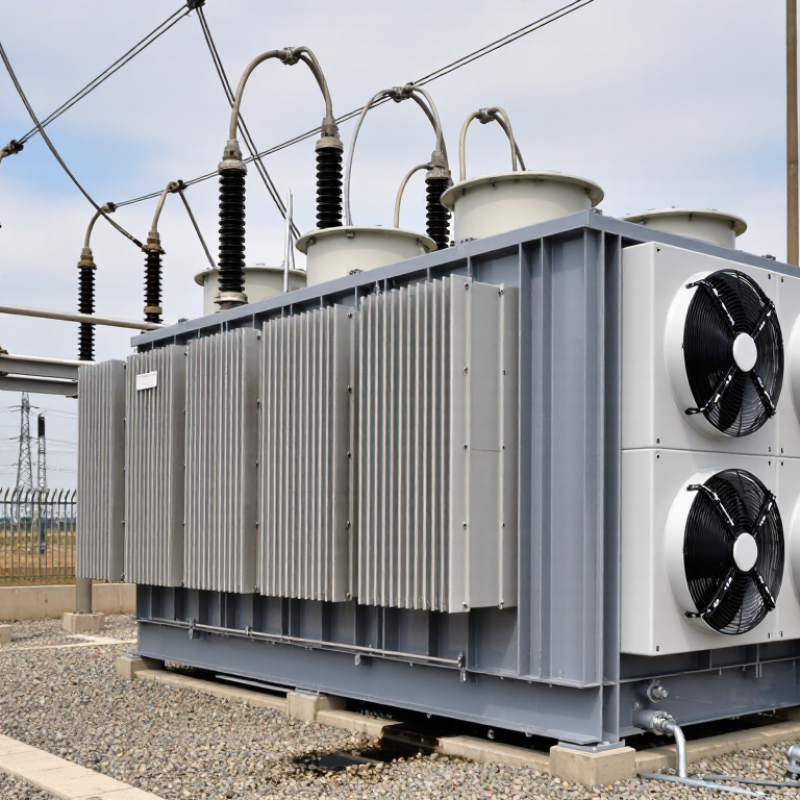
How to Operate and Maintain a Power Transformer in 2026

Understand Transformer Components, Ratings, and Safety Requirements

A power transformer transfers electrical energy through a magnetic core and insulated windings. Bushings carry conductors through the tank, while radiators or fans remove heat. Some units also have conservators, gauges, pressure-relief devices, and protective relays. Check the nameplate for rated power, primary and secondary voltage, frequency, impedance, cooling method, and tap range. These details guide loading and system compatibility; never estimate capacity from cabinet size. Small clues matter.

In 2026, safe operation still begins with the approved site procedure and the transformer’s maintenance instructions. Only qualified personnel should inspect or service the equipment. Before internal work, isolate all energy sources, apply the required lockout and grounding steps, and verify the absence of voltage with suitable equipment. During routine rounds, record load, oil temperature, leaks, unusual noise, and alarm indications. A quiet unit can still have a developing fault. Rushed logs make gradual changes easy to miss, so teams should review trends, not just today’s readings.

Tips: Keep the nameplate details and inspection history accessible. Compare readings under similar load conditions. Look for fresh oil stains beneath valves, cracked insulators, blocked radiator fins, or loose external connections. Never open an energized enclosure to get a closer look. If a reading is unclear, pause and ask a qualified supervisor rather than guessing.

Inspect the Transformer Before Energizing

Before energizing a power transformer in 2026, treat inspection as a formal hold point, not a quick walk-around. Keep the unit isolated and follow approved site procedures. Check the nameplate against the system requirements, then look for shipping damage, loose hardware, oil seepage, and cracked or contaminated bushings. Confirm the oil level and tap-changer position match the commissioning plan. Small details matter.

CIGRE’s Transformer Reliability Survey compiled data on 964 major failures from 1996 to 2010, covering large power transformers across multiple countries. The survey is a reminder that failure causes are varied; a visual check alone cannot establish readiness. Verify grounding, cable connections, alarms, protection settings, and clearances. Where required, qualified personnel should review insulation resistance and oil-test results against manufacturer instructions and applicable standards. Remove tools and temporary grounds only under the site’s approved process. A checklist can still miss a slow leak beneath a radiator. I would recheck it. Document readings, defects, and sign-off before applying voltage; unresolved abnormalities mean the inspection is not complete.

Energize and Operate the Transformer in Sequence

Before energizing a power transformer, confirm that qualified personnel have completed the approved commissioning checks. Verify protective relays, connections, grounding arrangements, oil level, cooling equipment, and tap-changer position against the project documents. Check that covers are secure and the work area is clear. Small details matter. A loose terminal can become a serious problem under load.

Use the site switching order to energize the transformer, typically with the secondary circuit open. Never improvise the switching sequence or bypass an interlock. After energization, watch for abnormal noise, oil leakage, unexpected relay indications, and unusual voltage readings. Allow the equipment to stabilize according to the manufacturer’s instructions. Then connect load in controlled steps, checking current balance, temperatures, and cooling operation at each stage. Record readings and the time they were taken.

During operation, compare measurements with commissioning baselines and investigate changes rather than dismissing them as normal. Keep inspection routes safe and maintain clear access to radiators, valves, and monitoring points. One practical lesson is easy to overlook: a quiet control room does not prove the transformer is healthy. Trends, alarms, and field observations all count. If readings conflict or conditions seem uncertain, stop the sequence and consult the responsible engineer before proceeding.

Monitor Operating Conditions and Respond to Abnormalities

Monitor Operating Conditions and Respond to Abnormalities

A power transformer often gives warning signs before a serious fault develops. Track load, oil temperature, winding temperature, voltage, and cooling-system status against the unit’s normal range. Compare readings with past trends, not just alarm limits. A slow temperature rise during steady load deserves attention. So does an unusual hum, oil leak, or sudden change in dissolved-gas results. Record the time, load, weather, and recent maintenance; small details can clarify a confusing pattern. One reading rarely tells the whole story.

Tips: Keep a clear operating log. Verify questionable readings with approved instruments, and check alarms promptly. Never silence a recurring alarm without finding its cause. If smoke, rapid heating, or protective-device operation occurs, follow site emergency procedures and involve qualified personnel. Do not approach equipment that may be unsafe.

Respond proportionately. Confirm the indication, review related measurements, and compare them with manufacturer guidance and site procedures. Escalate abnormal trends early, even when the transformer still appears to run normally. Keep inspection notes specific: “oil seepage below the radiator valve” is more useful than “leak observed.” Some causes remain uncertain at first. That is a reason to investigate, not guess. A rushed assessment can miss the pattern.

Perform Scheduled Maintenance and Document Findings

Set a recurring maintenance schedule based on the transformer’s service history, operating conditions, and manufacturer guidance. Assign qualified personnel, follow site safety procedures, and confirm equipment is safely isolated before inspection. Check for oil leaks, damaged bushings, loose external connections, unusual noise, and signs of overheating. Small clues matter.

Record the date, transformer identification, operating conditions, inspection results, and any tests performed. Note oil level or temperature readings with units, not just “normal.” Photograph visible damage when site procedures permit, and identify each image clearly. Compare readings with earlier records; a single acceptable result may still hide a worsening trend. Do not guess. If a value is uncertain, mark it for verification.

Document defects in plain language, including location, severity, and recommended follow-up. Record who assessed the issue and when corrective work is due. Keep test reports, work orders, and inspection notes together in an accessible asset history. Use consistent forms, but leave room for unexpected observations. Real inspections rarely fit every box. Review overdue actions during maintenance planning, and update the record after repairs or retesting. A complete record supports better decisions; an incomplete one can create false confidence.

How to Operate and Maintain a Power Transformer in 2026 — Perform Scheduled Maintenance and Document Findings

Use this schedule as a planning guide for a typical oil-immersed power transformer. Actual intervals and acceptance limits depend on the transformer design, duty, condition, site environment, and applicable operating procedures. Follow the manufacturer’s instructions and qualified electrical personnel’s safety requirements.

Interval Maintenance activity What to inspect or record Documentation and follow-up
Each operating shift Review operating condition and alarms. Record load current, voltage, top-oil temperature, ambient temperature, tap position, and active alarms. Compare readings with the transformer’s normal operating pattern and approved limits. Enter readings with date, time, and operator initials. Note unusual changes and report alarms or readings outside approved limits promptly.
Weekly Perform an external visual inspection from a safe location. Look for oil leaks, damaged or dirty insulators, unusual noise or vibration, corrosion, blocked ventilation, and abnormal indications on gauges or the conservator level indicator. Log each observation and its location. Photograph defects when safe and permitted; create a work order for issues requiring investigation.
Monthly Check cooling equipment and auxiliary systems. Check fans, pumps, radiators, control indications, and available alarm or trip-circuit status. Confirm that cooling equipment responds as designed using approved operating procedures. Record equipment status, any failed component, and corrective action. Do not bypass protection or controls without formal authorization.
Quarterly Inspect accessible connections, grounding, and enclosure condition. Look for visible signs of overheating, loose or damaged external connections, deteriorated grounding conductors, moisture entry, and debris or vegetation around the installation. Document the inspection and any restrictions. Electrical tightening or internal access must be performed only under an approved safe-work plan.
Annually, or risk-based Conduct an infrared survey while the transformer is suitably loaded. Compare temperatures of accessible bushings, terminals, cable connections, and cooling components. Consider load and ambient conditions when evaluating temperature differences. Save the thermograms with load, ambient temperature, date, and inspection location. Refer abnormal hot spots for qualified assessment and prioritized corrective work.
Annually, or condition-based Sample and test insulating liquid where applicable. Use a clean sampling method. Tests may include dissolved gas analysis, moisture, dielectric breakdown voltage, acidity, and other tests selected for the transformer and its history. Record the sampling point, date, operating condition, laboratory results, and comparison with prior results. Interpret trends using applicable guidance and qualified engineering review.
At the manufacturer’s interval Inspect protective devices and transformer accessories. Check items such as pressure-relief devices, temperature indicators, oil-level indicators, sudden-pressure relays, and the Buchholz relay if fitted. Verify inspection and functional-test requirements for the specific equipment. Record device identification, test method, results, and any adjustment or replacement. Coordinate functional tests with approved protection and outage procedures.
During planned outages Perform electrical tests selected for the transformer’s condition and duty. Possible tests include insulation resistance, winding resistance, turns ratio, power factor or dissipation factor, and bushing tests. Test selection and limits depend on design, baseline data, and applicable standards. Record test equipment, calibration status, connections, temperature, results, and comparison with commissioning or previous readings. Investigate significant changes before returning to service.
After an alarm, fault, or abnormal event Carry out a condition assessment before normal operation resumes. Review protective-device indications, event records, loading, oil level, visible damage, and relevant liquid or electrical test results as directed by qualified personnel. Preserve event data, document the assessment and authorization to return to service, and track corrective actions to closure.

FAQS

What should be checked before a transformer is energized?

Keep it isolated and follow approved site procedures. Check the nameplate, shipping condition, hardware, bushings, oil level, and tap-changer position. Small details matter.

Is a visual inspection enough to confirm readiness?

No. Verify grounding, cable connections, alarms, protection settings, and clearances. Qualified personnel should review required test results against applicable guidance.

Which operating conditions should be monitored?

Track load, oil and winding temperatures, voltage, and cooling-system status. Compare readings with normal ranges and past trends, not alarm limits alone.

What warning signs need attention?

Watch for unusual hum, oil seepage, rising temperatures, or sudden changes in test results. One reading rarely tells the whole story.

What should staff do when an alarm keeps recurring?

Check the indication and related readings promptly. Do not silence a recurring alarm without investigating its cause.

How should a possible leak or defect be recorded?

Describe its exact location and condition, such as “oil seepage below the radiator valve.” Add the date and relevant operating details. Be specific.

What belongs in a maintenance record?

Include inspection dates, readings with units, test results, defects, photographs when permitted, and follow-up actions. Keep related reports and work orders together.

When should an abnormal condition be escalated?

Escalate unusual trends early, even if the transformer still appears to operate normally. For smoke, rapid heating, or protective-device operation, follow site emergency procedures and involve qualified personnel. Don’t guess.

Conclusion

This Power Transformer Operation And Maintenance Guide explains how to manage a transformer safely and reliably, from preparation through ongoing care. Begin by understanding the unit’s components, nameplate ratings, operating limits, and applicable safety requirements. Before energizing, inspect the transformer and its surroundings for visible damage, contamination, loose connections, leaks, and any conditions that could prevent safe operation. Confirm that required protective devices and grounding arrangements are ready.

Energize the transformer in the correct sequence and follow established operating procedures. During service, monitor load, temperature, noise, and other relevant indicators, and respond promptly to unusual readings or changes by following approved instructions. Routine maintenance should be planned according to operating conditions and equipment requirements. Record inspections, measurements, corrective actions, and observations consistently. These practices help identify developing issues early, support dependable performance, and provide a clear history for future maintenance and operational decisions.

Oliver

Oliver

Oliver is a seasoned marketing professional with a wealth of expertise in driving brand awareness and engagement. With a deep understanding of our company's product offerings, he consistently delivers high-quality content that enriches our professional blog. His insights not only shed light on......