Tanaka Electric
When considering transformers, two primary types arise: oil-filled and dry-type. Each has its unique characteristics, advantages, and disadvantages. The "Oil Filled Vs Dry Type Transformers Comparison" becomes essential for making an informed decision. Selecting the right transformer impacts reliability, maintenance, and operational costs.
Oil-filled transformers use oil for insulation and cooling. This promotes efficient thermal management, especially for larger installations. However, they may pose environmental concerns and need regular maintenance to prevent leaks. On the other hand, dry-type transformers are solid insulation insulated, eliminating oil hazards. They are often lighter and easier to install. Yet, they might struggle with higher loads in extreme conditions.
Ultimately, the choice between oil-filled and dry-type transformers hinges on your specific needs. It requires careful consideration of factors like space, safety, and the operating environment. Reflecting on these elements can help clarify which option suits your project best.
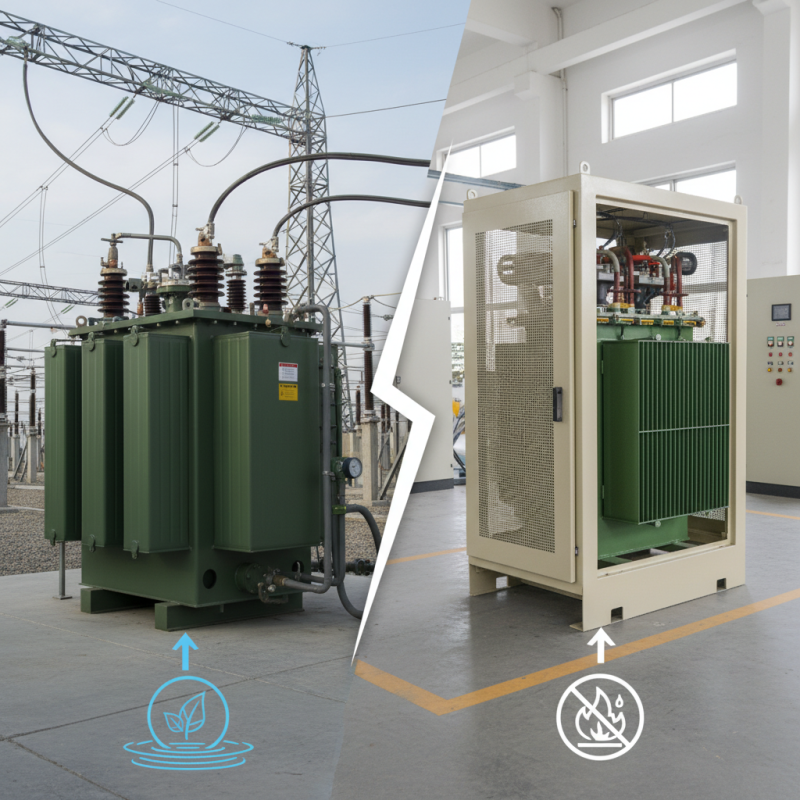
When considering the type of transformer for industrial applications, oil filled and dry type transformers stand out. Oil filled transformers use oil for insulation and cooling. This feature allows them to handle high power and high voltage better. However, they require proper containment measures, as leaks can occur. This leads to environmental concerns that should not be ignored.
Dry type transformers, on the other hand, utilize solid insulation materials. They are generally safer as they eliminate the risk of oil spills. Their ease of maintenance is another benefit. However, dry type transformers can be limited in their power capacity when compared to oil filled models. Their ability to perform under extreme environmental conditions should be evaluated.
Choosing between these two types involves weighing the specific needs of your application. The decision might not be straightforward. Each type has its advantages and drawbacks. Understanding these differences is crucial for making an informed choice.
Oil filled transformers offer several advantages in high voltage applications. One of the primary benefits is their superior cooling capabilities. The oil acts as an efficient heat conductor, allowing the transformer to maintain optimal operating temperatures. This is crucial when dealing with high voltage scenarios, as excessive heat can lead to failures or reduced efficiency.
Reliability is another key advantage. Oil provides insulation, safeguarding the internal components from moisture. This results in a longer lifespan and reduced maintenance needs. In areas with fluctuating temperatures, oil filled transformers perform well, minimizing the risk of damage due to thermal stress.
Tip: Ensure proper installation and regular maintenance checks to maintain efficiency. Even the best transformers can fail without attention.
Moreover, oil filled transformers can handle short circuits better than their dry counterparts. Their design can absorb transient voltages, which might otherwise harm sensitive equipment. This makes them a preferred choice for industries that rely heavily on stable power delivery.
Tip: Consider your specific environmental conditions when choosing a transformer type. High humidity or fluctuating temperatures might make oil filled options more suitable.
Cost is a significant consideration; however, investing in a reliable oil filled transformer can pay off long-term through reduced repair costs and extended service life.
When it comes to indoor installations, dry type transformers present several advantages. These transformers use air as a cooling medium instead of oil. This eliminates the risk of oil leaks and fire hazards. Their construction is robust, making them suitable for confined spaces. Additionally, they do not require special containment systems for leaks. This simplifies installation and potentially lowers overall costs.
Dry type transformers are often quieter than their oil-filled counterparts. The noise reduction is an important consideration in urban settings or indoor environments. Their lower maintenance requirements also contribute to long-term savings. They typically have a longer lifespan and reduced risk of environmental contamination. However, while they are more compact, this also limits their power capacity. Some users may find that these transformers lack the high capacity needed for larger operations.
In indoor installations, the efficiency and reliability of dry type transformers are key benefits. They are designed to withstand various conditions without compromising performance. Users should weigh these traits against their specific needs. Reflecting on these aspects can help ensure a well-informed decision that aligns with operational goals.
When selecting between oil-filled and dry-type transformers, a careful cost analysis is vital. Initial investment varies significantly. Oil-filled transformers tend to be more expensive upfront. Their construction and materials contribute to higher costs. On the other hand, dry-type transformers offer a more affordable option initially. Their design is simpler and less costly.
Long-term maintenance costs present another layer to consider. Oil-filled transformers require regular inspections. Oil levels, seals, and potential leaks need monitoring. These maintenance demands can add up over time. Additionally, environmental regulations might increase costs further. Conversely, dry-type transformers typically demand less maintenance. They are generally more robust and require fewer interventions.
Thinking about costs is crucial. Yet, other factors are equally important. Efficiency, safety, and suitability for specific environments should guide your choice. Reflect on your specific needs. Balancing upfront costs with future expenses is essential. The ideal solution will depend on your unique situation and operational demands.
When considering transformer types, environmental impact plays a significant role. Oil-filled transformers often use mineral oil, which poses potential environmental risks. In case of leaks, they can contaminate soil and groundwater. On the other hand, dry-type transformers utilize air for cooling. They are generally safer and more sustainable for the environment.
The sustainability of dry-type transformers is apparent. They are made from recyclable materials, unlike their oil-filled counterparts. This aligns well with current trends toward greener, more eco-friendly solutions. However, dry-type transformers can be bulkier. This fact might raise concerns about space in some installations.
Tips: Ensure proper maintenance, regardless of your transformer choice. Regular inspections help identify potential leaks and issues early on. Consider your operating environment too. A dry-type transformer may be a better fit in areas with strict environmental regulations. Always evaluate the long-term impacts of your decisions. Striking a balance between efficiency and environmental safety is essential.
This bar chart compares the environmental considerations of oil filled and dry type transformers across four critical dimensions: greenhouse gas emissions, oil leakage risk, fire risk, and recycling potential. The data reflects the various impacts associated with each transformer type, providing insight into safety and sustainability aspects for potential users.
: They provide superior cooling and maintain optimal operating temperatures. This reduces the risk of failures.
Oil acts as insulation, protecting components from moisture. This leads to a longer lifespan and less maintenance.
Proper installation and regular maintenance are crucial. Neglect can lead to failures, even with the best products.
They absorb transient voltages better than dry types. This protects sensitive equipment from potential harm.
Initial costs vary; oil filled transformers cost more upfront. Dry types are cheaper to buy but require less maintenance.
Oil filled transformers could pose contamination risks if leaked. Dry types are generally more eco-friendly and recyclable.
Yes, they need less frequent maintenance compared to oil filled types, making them a more robust option.
An oil filled transformer may be more suitable in such conditions. It can handle temperature fluctuations better.
Reflect on your specific needs. Identify if long-term efficiency offsets higher initial investments.
Consider how efficiency, safety, and environmental suitability align with your operational demands.
In the discussion of Oil Filled vs Dry Type Transformers Comparison, understanding their fundamental differences is crucial. Oil-filled transformers are favored primarily in high voltage applications due to their superior cooling capabilities and performance in outdoor settings. Their insulating oil not only assists in heat dissipation but also provides enhanced protection against environmental factors. On the other hand, dry type transformers offer significant advantages for indoor installations, being safer and more environmentally friendly, as they eliminate the risks associated with oil leaks.
When considering cost analysis, oil-filled transformers may require a higher initial investment, yet their long-term maintenance costs can be more manageable in certain applications. Conversely, dry type transformers, while potentially less expensive upfront, demand rigorous maintenance over time. Environmental aspects also play a critical role, with dry type transformers being more sustainable and chosen often for projects prioritizing safety and environmental impact. Ultimately, the decision between oil-filled and dry type transformers hinges on specific application needs, budget considerations, and environmental priorities.
