Tanaka Electric
Transformer efficiency is crucial in modern electrical systems. Enhancing this efficiency can lead to significant energy savings and reduced operational costs. Understanding the key factors affecting transformer efficiency is essential for engineers and energy managers alike.
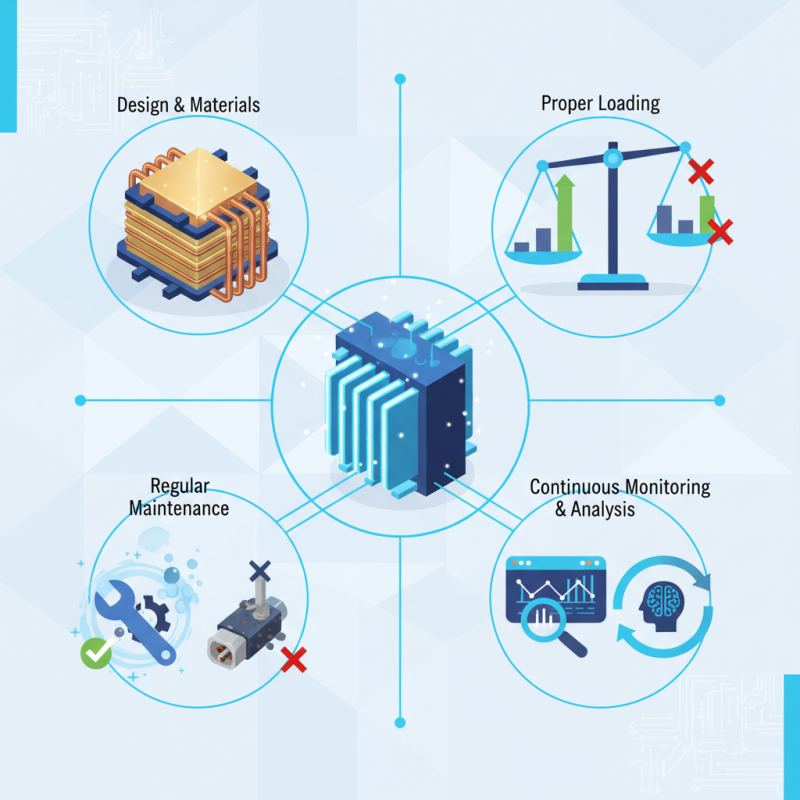
The design and materials used in transformers heavily influence their efficiency. For instance, high-quality core materials reduce energy losses. Additionally, proper loading of transformers plays a critical role. Overloading or underloading can decrease efficiency. Regular maintenance practices also cannot be overlooked. Poor maintenance may lead to inefficiencies that could have been prevented.
By being aware of these key factors affecting transformer efficiency, stakeholders can make informed decisions. This awareness can lead to improved designs and better operational practices. However, achieving optimal efficiency remains a challenge that requires continuous monitoring and analysis. So, let’s dive deeper into these important aspects.
Transformer efficiency is crucial for reducing energy losses in electrical systems. Understanding the key metrics and standards can help in evaluating performance. Efficiency is often expressed as a percentage. It measures the ratio of output power to input power. Higher efficiency means more of the input power is converted into useful output.
The two main factors affecting transformer efficiency are load and design. At optimal load, transformers perform best. Deviations from this load can lead to significant energy loss. Design aspects include core material and winding configurations. High-quality materials often result in lower losses. Different standards exist for measuring efficiency, such as IEEE and IEC guidelines.
While striving for high efficiency, challenges remain. Many transformers operate under fluctuating loads, complicating efficiency assessments. Annual efficiency evaluations are beneficial but may reveal unexpected losses. These insights into performance can guide enhancement strategies, ensuring better energy management. Implementing these metrics accurately requires expertise and experience.
Transformer efficiency is pivotal in minimizing energy losses in power systems. Several key factors influence these efficiency ratings, impacting overall system performance. One primary factor is design optimization. According to the Electric Power Research Institute, optimizing the core material can enhance efficiency by 15% or more. Quality materials reduce losses due to lower hysteresis and eddy currents, making them essential for modern transformers.
Load conditions are another critical aspect. Transformers operate at peak efficiency when loaded to their rated capacity. Underloading or overloading can lead to significant losses, affecting the lifespan of the equipment. It is noted that operating at just 75% of full load can reduce efficiency by up to 10% according to the Institute of Electrical and Electronics Engineers (IEEE). Hence, careful monitoring and load management are vital for maintaining efficiency levels.
Cooling systems also play a significant role. Proper cooling can decrease thermal stress and enhance performance. Effective thermal management can improve a transformer's efficiency by nearly 5%, as found in studies conducted by the International Journal of Electrical Engineering. Understanding these factors is crucial for industry professionals seeking to maximize transformer efficiency and contribute to more sustainable energy practices.
The quality of core materials significantly influences the operational efficiency of transformers. Materials like silicon steel, with high permeability and low hysteresis losses, enhance efficiency. Reports from industry experts highlight that transformers using premium core materials can achieve up to 98.5% efficiency. This improvement translates to reduced energy losses during operation, which is critical for both economic and environmental considerations.
However, not all manufacturers prioritize high-quality core materials. Some use cheaper alternatives to cut costs, potentially leading to increased energy losses. A study revealed that low-grade materials could drop efficiency by as much as 3%. This discrepancy raises questions about long-term performance and sustainability. Investing in quality core materials often mitigates these risks, yet the initial costs may deter manufacturers.
Additionally, as regulatory standards increase, the push for efficiency intensifies. Industries are under pressure to reduce carbon footprints. Quality core materials can be a game-changer, facilitating compliance with energy regulations. Companies must weigh the upfront investment against potential long-term savings in energy costs and regulatory penalties. This reflection on material choice is vital for maintaining competitive advantage.
Transformers are critical components in electrical systems, yet they often face efficiency challenges. To enhance their performance, it's essential to focus on reducing losses during both design and operation.
The core material plays a vital role in minimizing hysteresis and eddy current losses. Selecting high-quality silicon steel can drastically cut energy waste and improve overall efficiency.
Winding arrangements also matter. Utilizing optimum conductor configurations can help minimize resistance loss. Proper insulation is crucial. Insufficient insulation may lead to overheating, which can escalate losses and compromise the transformer's lifespan.
Regular maintenance is often overlooked. Yet, timely inspections can reveal issues like insulation degradation and mechanical wear.
Cooling methods should not be ignored. Effective cooling systems prevent excessive thermal stress and promote better performance. On the operational side, loads should be monitored closely. Operating a transformer near its optimal load can significantly enhance efficiency. Attention to these areas can lead to meaningful improvements, but challenges remain. Innovating solutions also requires ongoing research and testing to uncover new insights and approaches.
Regular maintenance plays a crucial role in enhancing transformer performance. According to recent industry reports, nearly 30% of transformer failures stem from lack of maintenance. Simple tasks, like visual inspections and testing, can significantly extend a transformer’s life. Routine checks can identify issues before they escalate, preventing costly unplanned outages.
Over time, insulation degradation occurs due to thermal stress and environmental factors. The IEEE states that regular testing can improve insulation integrity by 70%. Vibration analysis and oil testing are effective methods to gauge operational health. These practices provide vital data that informs necessary adjustments. Despite the benefits, many facilities overlook maintenance schedules, leading to inefficiencies.
Operators often hesitate to invest in maintenance. They assume that until a problem arises, everything is fine. This mindset can create a reactive rather than proactive environment. Inevitably, this approach may lead to more significant, costlier repairs down the line. A shift towards regular maintenance can transform this narrative, promoting sustainability and reliability.
| Key Factor | Description | Impact on Efficiency | Recommended Maintenance Frequency |
|---|---|---|---|
| Cooling System | Ensuring the cooling system is functioning effectively to prevent overheating. | High - Prevents thermal overload, enhancing operational efficiency. | Monthly checks |
| Insulation Testing | Regular insulation resistance tests to identify weaknesses. | Medium - Helps avoid insulation failure, maintaining efficiency. | Every 6 months |
| Connections and Terminations | Inspecting and maintaining electrical connections and terminations. | High - Poor connections can lead to energy losses. | Annually |
| Oil Quality Checks | Monitoring the quality of insulation oil for contaminants. | Very High - Poor oil quality can lead to overheating. | Quarterly |
| Vibration Analysis | Assessing vibration levels to detect mechanical issues. | Medium - Helps in early detection of mechanical failures. | Biannually |
: Design optimization and quality materials significantly enhance transformer efficiency.
Optimizing core materials can improve efficiency by 15% or more.
Underloading and overloading can significantly reduce efficiency and lifespan.
Operating at 75% load can reduce efficiency by up to 10%.
Proper cooling systems reduce thermal stress and can improve efficiency by nearly 5%.
High-quality materials like silicon steel enhance operational efficiency and reduce losses.
Using cheaper materials can decrease efficiency by as much as 3%.
Some manufacturers opt for low-grade materials to cut costs, risking energy losses.
Increasing regulatory standards pressure industries to improve efficiency and reduce carbon footprints.
Companies need to balance upfront investments with long-term energy savings and compliance costs.
The article "How to Improve Transformer Efficiency Key Factors Explained" delves into the essential elements that influence transformer efficiency. It begins by outlining various efficiency metrics and standards that serve as benchmarks in evaluating performance. Key factors affecting transformer efficiency include the quality of core materials, which significantly impacts operational effectiveness. Furthermore, the article highlights strategies for minimizing losses during transformer design and operation, emphasizing that optimal design can lead to substantial energy savings.
Additionally, regular maintenance is underscored as a crucial component in enhancing transformer performance. Consistent upkeep not only prolongs the lifespan of transformers but also ensures that they operate at peak efficiency. By understanding and addressing these key factors affecting transformer efficiency, stakeholders can achieve improved reliability and energy performance, ultimately benefiting both operational costs and environmental sustainability.
