Tanaka Electric
In the realm of electrical engineering, the reliability of power transformers is critical. Experts like Dr. Sarah Thompson emphasize this importance. She once stated, "Improved power transformer reliability can prevent costly downtimes." This insight sheds light on a growing concern in the industry.
Power Transformers are vital for electrical distribution. Their failure can lead to significant disruptions. Therefore, adopting effective Power Transformer Reliability Improvement Methods is essential. Techniques include regular maintenance, condition monitoring, and employing advanced materials. Each method plays a role in enhancing overall performance.
While many organizations strive for excellence, not all implement best practices. The challenge lies in consistently applying these improvement methods. The industry must reflect on its progress. Embracing innovation and learning from failures is key to achieving reliability in power transformers.
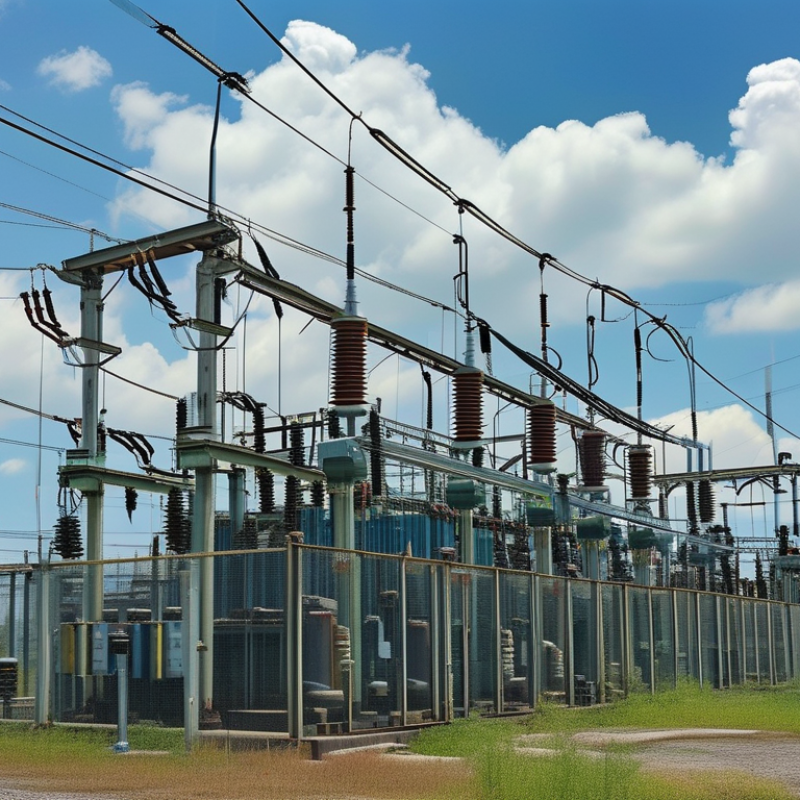
Preventive maintenance is essential for enhancing the reliability of power transformers. Regular inspections help identify potential issues before they escalate. Checking insulation resistance regularly can prevent failures due to moisture. Frequent thermal imaging can identify hotspots that indicate loose connections or failing components.
Another key practice is maintaining oil quality. Contaminated oil can lead to overheating and equipment failure. Testing for dissolved gases and moisture levels should be routine. Implementing a filtration system can prolong oil life and improve transformer performance. Using proper storage techniques for spare parts reduces the risk of delays during emergencies.
Documentation is often overlooked but critical. Accurate records of maintenance activities provide insight into transformer health. This data helps in predicting future issues and planning upgrades. However, many facilities fail to maintain thorough logs, leading to missed opportunities for improvement. Building a culture of accountability and attention to detail in maintenance teams can lead to enhanced transformer reliability.
This chart illustrates the effectiveness of various preventive maintenance practices for power transformers. The data reflects the percentage of reliability improvement based on different maintenance activities.
Temperature management plays a critical role in the reliability of power transformers. Studies show that operating at lower temperatures can extend the lifespan of these vital components. According to the IEEE, a temperature rise of just 10 degrees Celsius can reduce transformer insulation life by 50%. Keeping the temperature within optimal limits is essential for maintaining functionality.
Monitoring ambient temperatures and load conditions is crucial. Data from Energy Research Institute indicates that over 30% of transformer failures are linked to thermal degradation. Regular maintenance checks and the use of advanced cooling techniques can mitigate these risks. For instance, regular oil temperature assessments and appropriate ventilation can help sustain performance levels while preventing overheating.
However, not all installations achieve ideal temperature control. Some facilities struggle with outdated technology and lack of real-time monitoring. This gap can lead to increased downtime and maintenance costs. A proactive approach to temperature management can create a more reliable transformer environment. Awareness of thermal stresses must be a priority for operators in the field.
Recent advancements in condition monitoring for power transformers have significantly enhanced their reliability. Techniques such as dissolved gas analysis (DGA) and infrared thermography are now standard practices in many facilities. According to the IEEE, 70% of transformer failures can be predicted and prevented through effective monitoring strategies. Regular DGA helps identify early signs of insulation failure, while infrared thermography detects overheating components before they become critical.
Moreover, the integration of IoT-based sensors is revolutionizing the monitoring process. These sensors provide real-time data on temperature, pressure, and moisture levels. Reports indicate that assets equipped with IoT technology are 30% less likely to experience unexpected failures. However, challenges remain. Data overload and lack of trained personnel can hinder the effective use of this technology. Not all organizations have embraced these advancements, and maintaining expertise in modern monitoring techniques can be a struggle.
Condition monitoring is not without its flaws. Many facilities overlook routine checks due to budget constraints. Relying solely on technology can create a false sense of security. Human oversight is essential to interpret data correctly and make informed decisions. Balancing advanced technology with skilled personnel remains crucial for ensuring the long-term reliability of power transformers.
Power transformers are crucial for electrical grids. Understanding their failure rates and causes is essential. Statistical analyses reveal common reasons for failures. Overheating is a frequent culprit, often linked to poor ventilation. Regular maintenance checks are vital to identify issues early.
Another prevalent cause of transformer failure is insulation breakdown. This failure can result from age or environmental factors. Insulation materials degrade over time. Monitoring insulation condition through testing can prevent unexpected shutdowns. Past data suggests that up to 30% of failures are preventable with proper care.
Human error also plays a role. Installation mistakes can lead to operational problems. Training personnel thoroughly is important. Investing in education may reduce these errors significantly. It’s not just about technology; human factors need attention. Balancing technology and training is key for improving reliability.
Regular inspections and testing procedures are vital for enhancing transformer reliability. These routine evaluations help identify potential issues before they escalate. According to the Electric Power Research Institute (EPRI), unplanned outages can lead to costly downtime, averaging $1 million per day for utility companies. Proactive testing can significantly reduce these risks.
Infrared thermography, a common testing method, detects overheating components. This technology helps identify problems that may not be visible to the naked eye. Data from industry reports indicate that over 30% of transformer failures are caused by thermal overload. Regular thermal imaging could mitigate these risks effectively. Additionally, dissolved gas analysis (DGA) can reveal key insights about insulation conditions, helping to prevent catastrophic failures.
Despite advancements in technology, some utilities still postpone regular inspections due to budget constraints. This can lead to over-reliance on historical data, which might not always reflect current conditions. Acknowledging this gap is essential. Emphasizing ongoing training for personnel involved in inspections can also help ensure proper techniques are applied. By maintaining a consistent inspection schedule, utilities can enhance transformer lifespan and reliability.
| Inspection Method | Frequency | Key Benefits | Potential Issues Detected |
|---|---|---|---|
| Visual Inspection | Monthly | Identifies obvious signs of wear or damage | Corrosion, insulation degradation |
| Thermal Imaging | Quarterly | Detects overheating components | Loose connections, overloaded circuits |
| Electrical Testing | Annually | Assesses insulation resistance and winding condition | Short circuits, insulation failures |
| Dissolved Gas Analysis (DGA) | Bi-Annually | Monitors internal fault conditions | Thermal faults, electrical discharges |
| Frequency Response Analysis | Every 3 Years | Detects winding movement or deformation | Mechanical issues, delamination |
: Overheating and insulation breakdown are frequent causes of transformer failures.
Overheating is often linked to poor ventilation and inadequate maintenance.
Regular maintenance checks can identify issues early, potentially preventing failures.
Past data suggests that up to 30% of failures are preventable with proper care.
Installation mistakes may cause operational problems, highlighting the need for thorough training.
This method detects overheating components, identifying hidden problems in transformers.
DGA provides insights into insulation conditions, helping prevent significant failures.
Yes, budget issues often lead to postponed inspections, increasing failure risks.
Continuous training ensures proper inspection techniques, enhancing overall safety.
Historical data may not reflect current transformer conditions, leading to potential oversight.
Improving power transformer reliability is crucial for the efficient operation of electrical systems. This article explores several Power Transformer Reliability Improvement Methods, starting with preventive maintenance best practices, which ensure that potential issues are identified and addressed before they result in failure. Moreover, effective temperature management plays a significant role in extending the lifespan and enhancing the reliability of transformers, as excessive heat can lead to insulation degradation.
Additionally, advancements in condition monitoring technology have provided utilities with the tools to continuously assess transformer health, allowing for timely interventions. Statistical analysis of transformer failure rates sheds light on common causes and guides maintenance strategies. Regular inspections and testing procedures further reinforce the reliability of transformers, ensuring optimal performance and reducing the likelihood of outages. Together, these methods create a comprehensive approach to enhancing the reliability and longevity of power transformers.
