In the competitive landscape of power distribution, "Power Transformer Design Considerations" hold significant weight for global buyers. Expert Helen Roberts emphasizes, "Effective design can enhance efficiency and reliability." Her words resonate deeply in an industry where precision matters greatly.
Transformer efficiency directly impacts operational costs and sustainability efforts. Buyers must scrutinize design elements, such as material choice and thermal management. An efficient transformer not only reduces energy waste but also extends its lifespan, ultimately offering better returns on investment.
Nevertheless, challenges persist in achieving optimal design. Balancing initial costs with long-term benefits is a common dilemma. Global buyers often face difficulties in assessing design quality without in-depth knowledge. Missteps in design selection can lead to costly operational failures. The pursuit of excellence in design is ongoing, and careful consideration is essential for making informed choices.
Understanding the Role of Power Transformers in Electrical Systems
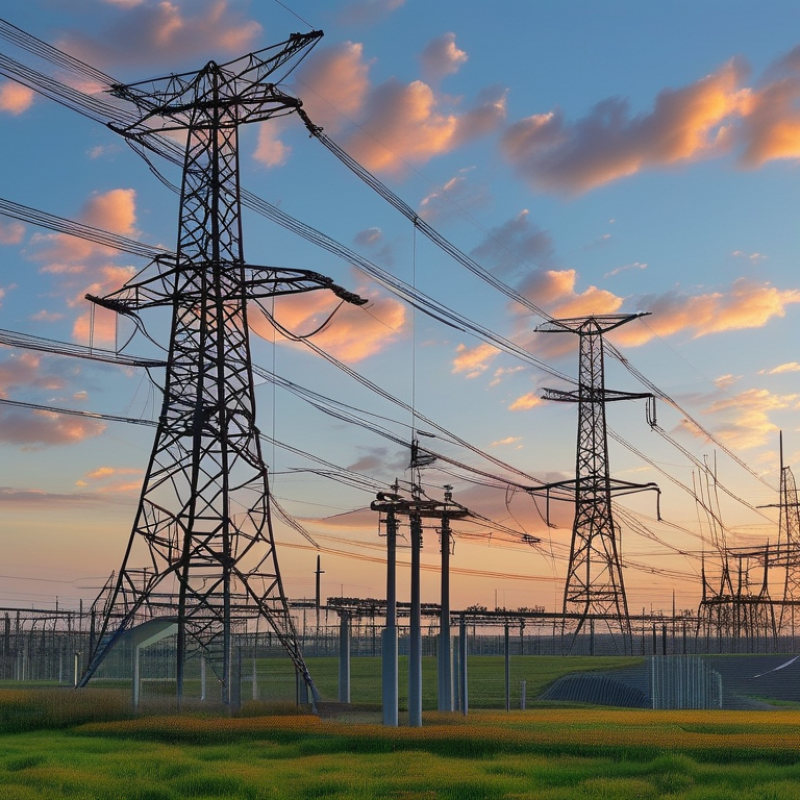
Power transformers are critical components in electrical systems. They facilitate efficient voltage transformation, which is essential for electricity distribution. Without them, power losses would increase, leading to insufficient supply for end users. Their role in maintaining system stability cannot be overstated.
The design of power transformers affects their performance and longevity. Factors such as core material and winding configurations play a significant role. A well-designed transformer minimizes losses and enhances efficiency. However, not all designs account for the complexities of different electrical systems. This can lead to operational challenges and increased maintenance costs over time.
In addition, the choice of insulation system impacts reliability. It’s vital to consider thermal performance and environmental conditions. Some designs may not withstand extreme weather, leading to failures. Buyers should seek expertise beyond mere specifications, questioning assumptions and exploring practical applications. Understanding these nuances can ensure that investments lead to effective, long-term solutions in their electrical infrastructure.
Key Factors Influencing Power Transformer Design
Power transformers serve as the backbone of electrical distribution systems. They enable the transportation of high voltage electricity over long distances. This function is critical for minimizing energy loss. Therefore, understanding the nuances of transformer design becomes vital for global buyers.
Key factors influencing transformer design include thermal management, insulation materials, and magnetic core efficiencies. Effective thermal management prevents overheating, extending the transformer's lifespan. Selecting the right insulation materials impacts durability and performance. Buyers must consider the environmental conditions, as they can affect material choices. For instance, extreme temperatures may necessitate specialized designs.
Magnetic core efficiency is crucial too. High-quality cores can reduce energy losses during operation. However, achieving optimal core design is a complex task. Trade-offs between size, weight, and performance often arise. Buyers should be aware of these trade-offs in their decision-making process. Each choice in design, while aiming for high efficiency, may introduce unforeseen challenges.
Therefore, understanding the intricacies of transformer design helps buyers identify solutions that align with their needs. Being informed can lead to better investments and operational efficiency.
Impact of Design on Performance and Efficiency
Power transformer design significantly impacts overall performance and efficiency. According to industry reports, transformers can account for up to 70% of energy loss in electrical grids. Designs that optimize core materials and winding configurations can mitigate this. The choice of silicon steel versus amorphous steel affects efficiency levels. Amorphous steel transformers can achieve up to 98% efficiency.
Design elements such as cooling systems also play a crucial role. Effective cooling methods can enhance performance by reducing thermal stress. They can extend the lifespan of transformers while minimizing maintenance costs. However, the initial design complexity can lead to manufacturing challenges that require skilled labor and time.
Moreover, advancements in design tools, such as computer simulations, have improved accuracy in performance predictions. Despite these benefits, not all designs are equal. Some may overlook critical factors, such as ambient conditions, leading to suboptimal performance. Buyers must critically assess design claims and consider real-world testing data when evaluating potential transformers.
Why Power Transformer Design Matters for Global Buyers?
The performance and efficiency of power transformers are crucial for energy management and sustainability. This chart illustrates the efficiency ratings of various transformer designs across different load conditions.
Importance of Compliance with International Standards
Compliance with international standards is crucial in power transformer design. These standards ensure safety, efficiency, and interoperability. Non-compliance can lead to serious consequences, such as equipment failures. Buyers must understand the regulatory landscape to avoid these risks.
Transformers that meet global standards often exhibit better performance and lower operating costs. They are designed for different environmental conditions, which enhances their reliability. However, not all manufacturers prioritize these standards. Some may focus solely on cost reduction, risking their product's quality.
The challenge lies in navigating these complex standards. Buyers need to verify that their suppliers adhere to the necessary regulations. This requires diligent research and possibly third-party audits. Understanding this landscape enhances buyer confidence and contributes to long-term operational success.
Long-Term Benefits for Global Buyers in Choosing Quality Designs
Power transformer design plays a crucial role in modern power systems. Global buyers often face choices that can greatly affect their operations. Selecting quality designs offers long-term benefits that impact efficiency, reliability, and cost-effectiveness. A well-designed transformer optimizes energy use, enhancing overall system performance. It delivers stable voltage levels and reduces energy losses.
Quality designs also contribute to extended equipment lifespan. Using superior materials and innovative engineering reduces the likelihood of breakdowns. Such reliability is invaluable for industries dependent on continuous power supply. Buyers should weigh the initial investment against future operational costs. Sometimes, cheaper options require frequent replacements and maintenance, which can be misleading.
Moreover, the world of power transformers is constantly evolving. Emerging technologies can improve performance but pose their own challenges. Buyers must stay updated on industry developments. They often grapple with balancing cost and quality. Each decision presents an opportunity for reflection. Prioritizing a robust design today may save time and resources in the future. Understanding the significance of these choices empowers buyers to make informed decisions.
FAQS
: Compliance ensures safety, efficiency, and interoperability, reducing equipment failures.
Non-compliant transformers may lead to serious operational issues and increased costs over time.
Quality designs optimize energy use, provide stable voltage, and reduce energy losses, enhancing performance.
Buyers need to balance initial costs with long-term operational expenses and equipment reliability.
Manufacturers might prioritize cost savings, risking product quality and compliance with safety regulations.
Buyers should conduct diligent research and consider third-party audits to verify compliance.
Emerging technologies can improve performance but often come with their own challenges and risks.
It enhances buyer confidence and supports long-term operational success in managing power systems.
Cheaper options may incur frequent replacements and maintenance, leading to higher overall costs.
Every decision impacts future operations; prioritizing quality now can save resources later.
Conclusion
Power transformer design considerations are crucial for global buyers in ensuring the reliability and efficiency of electrical systems. Understanding the role of power transformers, which serve as critical components in power distribution, is essential. Key factors influencing their design include material selection, thermal management, and insulation techniques, all of which significantly impact performance and energy efficiency.
Moreover, adhering to international standards is vital for ensuring safety and compatibility across different regions. Buyers who prioritize quality designs are likely to experience long-term benefits, such as reduced downtime, lower operational costs, and enhanced system performance. Ultimately, a well-thought-out design not only meets immediate power needs but also contributes to sustainable energy management and operational excellence in the long run.
 Tanaka Electric
