 Tanaka Electric
Power transformers are quiet, heavy, and environmentally consequential assets. A single unit may contain thousands of litres of insulating oil, while operating continuously for decades. Its impacts include material extraction, electrical losses, oil leakage, noise, fire risk, and difficult end-of-life handling. The International Energy Agency reports that annual grid investment must rise above USD 600 billion by 2030 to support secure, electrified energy systems (IEA, Electricity Grids and Secure Energy Transitions, 2023). More transformers will therefore be needed. Better protection cannot be treated as an optional maintenance activity.
This introduction to 10 Tips for Power Transformer Environmental Protection Practices connects field experience with recognized engineering principles. IEC 60076 provides the core framework for transformer design, testing, and performance. IEEE guidance also supports condition monitoring, insulation assessment, and risk-based maintenance. Meanwhile, the U.S. Environmental Protection Agency identifies spill prevention, secondary containment, and responsible oil management as practical controls for oil-filled electrical equipment. Small details matter. A cracked bund, stained gravel, or missing inspection record can reveal a larger weakness. Preventive inspections, leak detection, low-loss designs, noise barriers, and documented recycling can reduce harm throughout the transformer’s life.
The numbers are useful, but they are not perfect. Actual environmental performance depends on climate, loading, oil type, site drainage, and maintenance quality. The European Commission’s Ecodesign requirements also show that efficiency standards increasingly influence transformer procurement and lifecycle decisions. Still, efficiency alone is not enough. A cooler-running transformer may remain environmentally risky if its oil containment fails. These ten practices offer a practical starting point, while engineers should verify every recommendation against local conditions, manufacturer instructions, and current regulatory requirements.
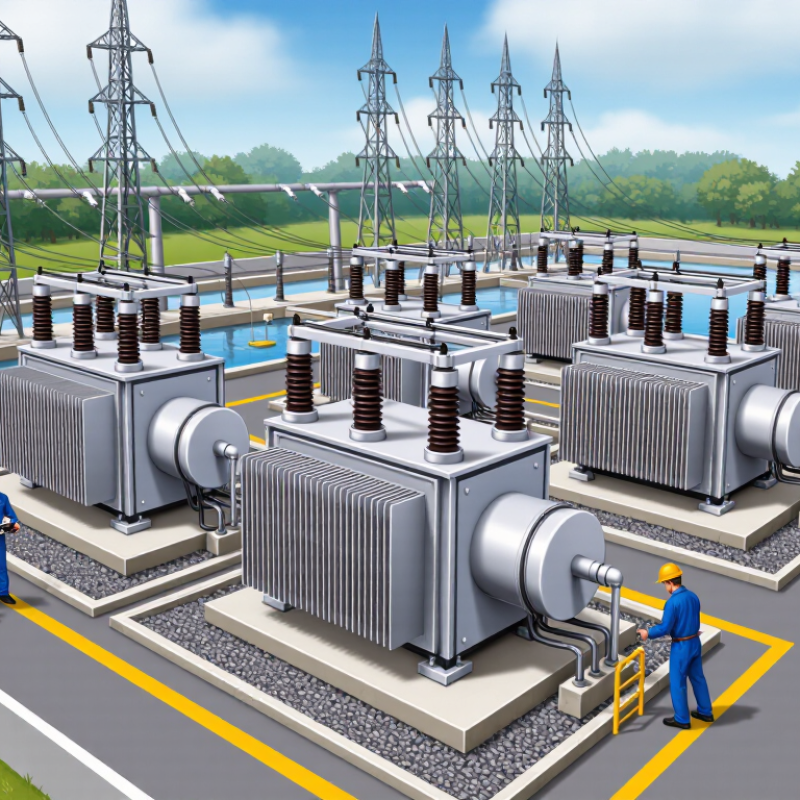
Power transformers support modern grids, but their environmental risks often begin quietly. Insulating oil can escape through aged seals, cracked valves, or damage caused during maintenance. During site inspections, I have seen a thin oily sheen beneath equipment before anyone noticed a visible leak. Small leaks matter. Rain can carry contaminants into soil, drainage channels, and nearby streams. Once absorbed, pollutants may affect vegetation and complicate soil restoration.
Fire presents a sharper risk. An electrical fault can ignite oil, producing smoke, heat, and contaminated firefighting water. A properly sized containment area helps prevent the oil from reaching public drains. It should remain free of rainwater, rubbish, and stored tools. Noise also deserves attention. The constant transformer hum can disturb nearby residents, workers, and some wildlife, especially at night. Barriers may reduce noise, but they cannot replace measured sound surveys.
Good environmental control combines engineering, inspection, and disciplined records. Teams should check oil levels, seal condition, drainage paths, temperature readings, and alarm functions at defined intervals. Spill kits need clear labels and practical access, not a locked room nobody can reach quickly. No inspection plan is perfect. Technicians may overlook slow seepage when attention stays fixed on electrical performance. I recommend comparing photographs, oil trends, and inspection notes over time. Records reveal patterns. A clean-looking compound can still hide contaminated soil beneath gravel, so periodic sampling remains worth considering.
| Tip | Environmental Risk | Main Source or Cause | Potential Environmental Impact | Recommended Protection Measure | Useful Monitoring Indicator | Suggested Review Frequency |
|---|---|---|---|---|---|---|
| 1 | Transformer oil leakage High |
Damaged gaskets, corrosion, loose fittings, cracked radiators, or mechanical damage to the tank. | Soil and groundwater contamination; harm to aquatic organisms if oil reaches drains, streams, or wetlands. | Use bunded foundations or secondary containment sized according to applicable local requirements. Inspect seals, valves, radiators, and tank surfaces for seepage. | Visible oil staining, oil level, containment condition, and inspection findings. | Visual inspection monthly and after severe weather, maintenance, or impact events. |
| 2 | Spills during filling or maintenance High |
Overfilling, hose failure, incorrect valve operation, or poor handling of insulating oil. | Rapid release of petroleum-based fluid to soil, surface water, or stormwater systems. | Prepare a written spill response plan. Keep compatible absorbents, drain covers, containers, and emergency contacts readily available. Use trained personnel and controlled transfer procedures. | Spill-kit availability, transfer records, hose condition, and spill or near-miss reports. | Before every oil-transfer activity; review the response plan at least annually. |
| 3 | Polychlorinated biphenyls (PCBs) High |
Legacy equipment or contaminated oil in older transformers and associated components. | Persistent contamination, bioaccumulation, and long-term risks to human health and ecosystems. | Maintain an inventory of older units, prevent unauthorized draining, arrange qualified sampling where legally required, and manage suspected PCB materials as regulated waste. | Equipment age, nameplate information, laboratory test results, labeling, and chain-of-custody records. | At commissioning, acquisition, relocation, or whenever the fluid history is unknown; update the inventory after changes. |
| 4 | Fire and explosion High |
Internal electrical faults, overheating, arcing, bushing failure, or ignition of insulating liquid. | Smoke and combustion products, firewater contamination, damage to nearby soil or waterways, and secondary fires. | Provide appropriate fire detection and protection, separation distances, drainage controls, and emergency access. Keep protection systems maintained and tested. | Oil temperature, dissolved-gas trends, alarm status, fire-system test results, and protection-trip records. | Continuous alarms where available; formal protection and fire-system testing according to the maintenance program. |
| 5 | Noise and vibration Medium |
Magnetostriction in the core, cooling fans, pumps, loose components, or poor foundation conditions. | Disturbance to nearby communities and wildlife, particularly at night or in noise-sensitive locations. | Use low-noise equipment where feasible, maintain fans and pumps, isolate vibration, and install acoustic barriers when supported by a site assessment. | Sound pressure level at property boundaries, tonal noise, vibration, and community complaints. | Baseline survey after installation and periodic checks, especially after equipment modifications or complaints. |
| 6 | Greenhouse-gas emissions from SF6 equipment High |
Leakage or improper recovery of sulfur hexafluoride from gas-insulated switchgear or related equipment. | SF6 is a very high global-warming-potential greenhouse gas; releases contribute to climate change. | Use leak detection, qualified technicians, recovery and recycling equipment, accurate cylinder records, and lower-emission alternatives where technically and legally suitable. | Gas inventory, pressure or density alarms, leak-test results, recovered gas quantity, and refill records. | Continuous density monitoring where installed; leak checks and emissions accounting according to applicable regulations. |
| 7 | Use and disposal of insulating fluids Medium |
Improper storage, transport, draining, or disposal of mineral oil, ester fluid, or contaminated mixtures. | Soil and water pollution, waste-management violations, and avoidable resource loss. | Store fluids in labeled, closed containers on suitable secondary containment. Use licensed waste contractors and retain transfer documentation. | Fluid type, storage-container integrity, waste manifests, and quantity transferred or recovered. | Inspect storage areas monthly and verify waste documentation for every shipment. |
| 8 | Contaminated stormwater and drainage High |
Rainfall contacting oil residues, leaking equipment, unsealed surfaces, or ineffective drainage design. | Transport of hydrocarbons and suspended solids into storm drains, rivers, wetlands, or groundwater recharge areas. | Separate clean and potentially contaminated drainage, keep containment outlets controlled, maintain oil-water separators where required, and inspect drainage paths. | Drainage condition, separator performance, visible sheen, rainfall-event observations, and water-quality results where required. | Inspect quarterly and after significant rainfall or any spill event. |
| 9 | End-of-life equipment and materials Medium |
Demolition, dismantling, transport, and recycling of transformers, cables, batteries, metals, and contaminated components. | Release of oil or hazardous substances, improper waste disposal, and unnecessary use of landfill capacity. | Plan decommissioning before removal, drain and package fluids safely, segregate hazardous materials, and use qualified recycling or disposal contractors. | Decommissioning plan, material inventory, contractor qualifications, waste classification, and disposal certificates. | At the planning stage and throughout each decommissioning project. |
| 10 | Loss of ecological protection during site work Medium |
Vegetation clearing, soil compaction, erosion, vehicle movement, and construction near habitats or waterways. | Habitat disturbance, sediment release, erosion, and increased risk to protected species or sensitive ecosystems. | Complete environmental screening before work, mark exclusion zones, control erosion and sediment, limit clearing, and restore disturbed areas after construction. | Boundary compliance, sediment-control condition, turbidity or visible runoff, vegetation recovery, and wildlife observations. | Before work begins, during construction, and during post-work restoration inspections. |
Rain can carry oil from concrete into soil, drains, and nearby streams. A thin oily sheen may appear before a visible leak.
Check welds, valves, flanges, radiators, cable boxes, and seals. Look beneath the unit for dark stains. Slow seepage is easy to miss.
Use secondary containment sized for the stored oil and local rainfall. Keep it clear of rainwater, rubbish, and tools. Drain covers can protect public drainage routes.
Provide absorbent pads, drain covers, compatible containers, and clear labels. Place the kit where workers can reach it quickly. A locked room is not practical during an emergency.
Not always. They may reduce ecological harm and improve fire safety in suitable systems. Check insulation compatibility, temperature limits, performance, and local requirements.
Use low-loss electrical steel, recyclable materials, efficient cooling, and repairable components. Accessible bushings and replaceable seals can extend service life. The lightest design may still waste more energy during operation.
Test oil before reuse or disposal. Never mix contaminated oil with ordinary waste. Store used absorbents in sealed, labeled containers. Maintain transfer records.
Thermal readings, infrared checks, oil analysis, and alarm testing can reveal developing faults. Compare photographs, oil trends, and inspection notes over time. No inspection plan is perfect.
Power Transformer Environmental Protection Practices are essential for reducing the ecological impact of transformer equipment throughout its service life. Key risks include oil contamination, hazardous substance exposure, excessive noise, high energy consumption, greenhouse gas emissions, and improper disposal. These risks can be addressed by selecting durable, energy-efficient materials and designs with low environmental impact, while using reliable containment systems, leak detection, and safe procedures for handling insulating oils and other potentially harmful substances.
Effective protection also requires regular inspections, condition monitoring, preventive maintenance, and accurate record keeping. Checking seals, bushings, cooling systems, and grounding equipment can help identify problems before they cause pollution or equipment failure. Improving operational efficiency, controlling noise, and reducing unnecessary energy losses further supports environmental goals. At the end of a transformer’s useful life, components should be drained, recovered, recycled, or disposed of responsibly through approved processes, helping prevent soil and water contamination while conserving valuable resources.
