Tanaka Electric
The Environmental Impact of Power Transformers has become a pressing concern in the energy sector. As global energy demands rise, effective management of power transformers is crucial. According to a report by the International Energy Agency (IEA), transformers account for about 30% of electricity losses in transmission systems. This inefficiency not only affects energy supply but also increases carbon emissions. Experts highlight the significant role that power transformers play in the broader context of environmental sustainability.
"Power transformers have a profound effect on our environmental footprint," says Dr. Emily Martinez, a leading expert in energy systems. Her research emphasizes that improving transformer efficiency can dramatically reduce emissions. However, the industry faces challenges. Many existing transformers are outdated, leading to higher operational impacts. Innovative solutions are needed to replace or upgrade these systems while minimizing waste.
The considerations surrounding the Environmental Impact of Power Transformers require serious reflection. Balancing the need for reliable energy supply with environmental preservation is no easy task. Technological advancements can aid this transition, but commitment from all stakeholders is essential. Only through collaborative efforts can we truly mitigate the environmental challenges posed by power transformers.
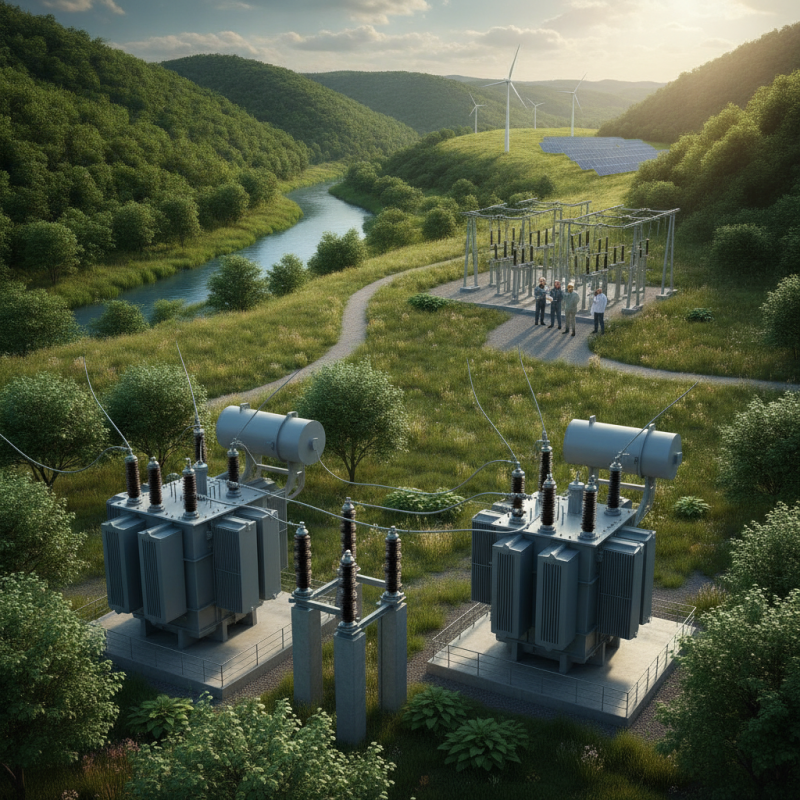
Power transformers play a critical role in electrical systems. They adjust voltage levels to ensure efficient transmission of electricity. According to a report by the International Energy Agency (IEA), power transformers account for approximately 15% of the total energy losses in electricity distribution. This highlights their significance in enhancing energy efficiency.
These transformers facilitate the smooth operation of electrical grids. For instance, they ensure voltage stability, reducing fluctuations that can harm equipment. However, the environmental impact of power transformers can be concerning. They often use insulating oils that may leak into the soil and waterways, posing risks to ecosystems. The U.S. Environmental Protection Agency (EPA) emphasizes the importance of proper maintenance to mitigate these risks.
While upgrading technology can reduce some adverse effects, gaining insights into overall sustainability is paramount. Strategies such as adopting eco-friendly materials and recycling old components are gaining traction. Yet, many facilities still lack comprehensive plans for waste management. Regular assessments and staff training can improve understanding but often fall short without consistent implementation. Therefore, ongoing evaluation of practices is essential to minimize the ecological footprint of power transformers.
Power transformers play a vital role in electricity distribution. However, their environmental footprint is often overlooked. These devices consume large amounts of energy and can contribute to greenhouse gas emissions. The manufacturing process is resource-intensive, involving metals and oils that can harm ecosystems if not managed properly.
One of the major concerns is insulation oil, which often contains harmful substances. Leaks can contaminate soil and water. This not only threatens wildlife but can disrupt local communities. Proper maintenance is crucial to minimize these risks. Regular inspections can prevent accidents and enhance operational efficiency.
Moreover, the end-of-life disposal of transformers poses significant challenges. Many components are not biodegradable and can linger in landfills. Recycling programs are not universally implemented. This calls for a reevaluation of practices to reduce waste and promote sustainability. A more responsible approach is needed from manufacturers and operators alike.
Power transformers play a crucial role in electrical infrastructure, but their environmental impact is significant. Manufacturing and operating them can lead to various ecological concerns. According to a report by the International Energy Agency (IEA), power transformers are responsible for up to 30% of the indirect emissions in the electricity sector. This statistic underscores the need for stricter environmental assessments during design and production.
One key factor contributing to the environmental impact is the materials used in transformers. Many contain hazardous substances like polychlorinated biphenyls (PCBs). The presence of such materials raises questions about safe disposal and potential leaks, which can pollute soil and water. Research by the Institute of Electrical and Electronics Engineers (IEEE) notes that improper handling can lead to contamination, affecting local ecosystems and human health.
Energy losses during the operation of transformers also add to their environmental footprint. Studies indicate that energy losses can reach 5% to 10% of the transacted energy. This inefficiency not only results in unnecessary generation but can strain resources further. As the world pivots towards sustainable practices, these inefficiencies demand scrutiny, and a rethinking of our engineering practices is necessary.
| Impact Factor | Description | Measured Outcome | Mitigation Strategies |
|---|---|---|---|
| Oil Leaks | Transformer oils can leak and contaminate soil and water bodies. | Soil contamination levels, measured in ppm. | Regular leak inspections and oil containment strategies. |
| Carbon Emissions | Electricity generation from fossil fuels contributes to greenhouse gases. | Metric tons of CO2 emitted per year. | Transition to renewable energy sources and efficiency upgrades. |
| Noise Pollution | Transformers generate noise that can affect nearby communities. | Decibels (dB) measured at residential locations. | Use of sound enclosures and positioning away from residential areas. |
| End-of-Life Disposal | Improper disposal can lead to hazardous waste issues. | Percentage of transformers recycled vs. sent to landfill. | Implement recycling programs and enforce environmental regulations. |
Power transformers play a crucial role in electrical networks, but their environmental impact is significant.
They can leak oil, which contains harmful chemicals. According to the U.S. Environmental Protection Agency, about 8% of transformer oil can escape during its lifecycle. This is a serious concern, as such spills can contaminate soil and water sources.
To mitigate these negative effects, industries are adopting several strategies. One effective approach is the use of biodegradable fluids. Studies indicate that natural esters can reduce environmental risks, with less toxicity than traditional mineral oils. Additionally, regular maintenance and monitoring are essential. Implementing advanced technologies for leak detection can minimize risks. Over the years, some electric utilities reported a 30% reduction in incidents through proactive monitoring.
Engaging in community awareness is another crucial strategy. Educating local communities about transformer safety and environmental risks contributes to a more informed public. Transparency in communication strengthens trust. Yet, the journey toward sustainability continues. There's a need for better regulations and standards widely accepted across the industry. These efforts ensure that while power transformers support modern energy needs, they do so with reduced environmental harm.
The environmental impact of power transformers is profound. Regulatory policies play a crucial role in promoting transformer sustainability. The International Energy Agency (IEA) reports that transformers account for approximately 30% of energy losses in electrical systems. This underlines the need for stringent regulations to enhance efficiency.
A key aspect of sustainability involves adherence to industry standards like ISO 14001. These standards help organizations manage their environmental responsibilities effectively. Notably, the U.S. Department of Energy has established minimum efficiency levels for transformers, pushing manufacturers towards greener designs. Despite these advancements, many older units still operate below efficiency norms, leading to unnecessary energy waste.
Moreover, the impact of transformer oil on the environment cannot be overlooked. The Environmental Protection Agency (EPA) states that improper disposal of insulating oil can result in soil and water contamination. Regular monitoring and compliance with regulations are essential. While progress is evident, a more comprehensive approach is needed to fully address the ecological footprints of power transformers.
: Power transformers consume a lot of energy and can lead to greenhouse gas emissions.
Insulation oil may contain harmful substances. Leaks can contaminate soil and water, threatening wildlife.
Regular maintenance and inspections are vital. They can prevent accidents and improve operational efficiency.
Many transformer components are not biodegradable. They can stay in landfills for a long time.
Yes, using biodegradable fluids can lessen environmental risks and toxicity compared to traditional oils.
Educating the public about safety and risks is crucial, but many communities still lack sufficient knowledge.
Regulatory policies are key for promoting sustainability and enhancing energy efficiency in transformers.
Improper disposal can result in severe environmental contamination. Regular monitoring ensures compliance with regulations.
Many older units operate below efficiency norms. This leads to unnecessary energy waste and environmental impact.
There’s a need for better regulations and practices to further reduce the ecological footprint of power transformers.
The article "Environmental Impact of Power Transformers Key Insights and Tips" delves into the critical role that power transformers play in electrical systems, emphasizing their essential functions and importance in energy distribution. However, it also highlights the significant environmental impact of power transformers, including their carbon footprint and the potential harm to ecosystems. Key factors contributing to this environmental impact range from manufacturing processes to end-of-life disposal.
To address these concerns, the article presents strategies for mitigating the environmental effects of transformers, such as improving efficiency, adopting sustainable materials, and implementing proper recycling practices. Additionally, it discusses existing regulatory policies and standards aimed at promoting transformer sustainability, underscoring the need for ongoing advancements in technology and policy frameworks to enhance the environmental performance of power transformers.
