Tanaka Electric
In the ever-evolving energy sector, power transformers are crucial for efficient electricity delivery. However, their failures can disrupt operations significantly. According to the “2022 Transformer Reliability Survey” by the IEEE Power and Energy Society, around 10-15% of all transformer failures are due to insulative breakdown. Expert Dr. John Smith states, "Understanding Common Power Transformer Failures and Solutions is vital for maintaining grid reliability."
The complexity of these systems requires proactive measures. Common issues include overheating, oil leaks, and insulation failures. For instance, overheating often results from excessive loading or poor cooling. Reports show that proper thermal management can reduce the risk of failure by up to 30%. Yet, many operators still overlook routine maintenance, making them vulnerable.
Addressing these failures necessitates a deep understanding of both preventive measures and timely interventions. Solutions can range from employing advanced monitoring systems to implementing regular inspections. Despite advancements, many professionals remain unprepared to tackle these challenges. Investing in knowledge and technology is critical for mitigating risks associated with Common Power Transformer Failures and Solutions.
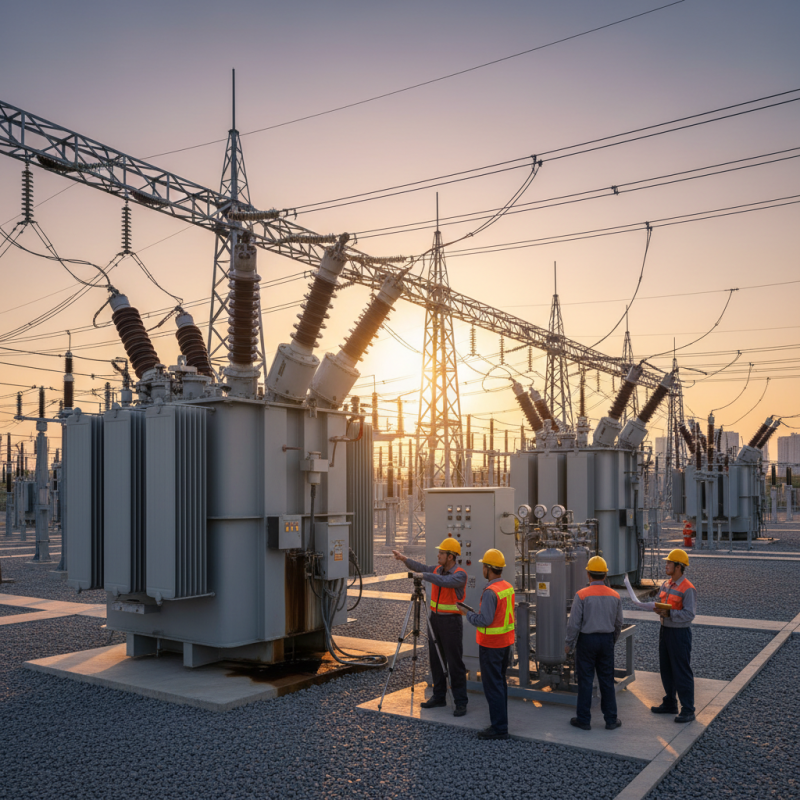
Power transformers play a critical role in electricity distribution. However, they are prone to various failures. Understanding these issues can help mitigate risks.
One common failure is insulation breakdown. This can lead to short circuits and even transformer fires.
Overheating is another significant problem. It can occur due to overloaded systems or insufficient cooling.
Moisture ingress often goes unnoticed. It weakens insulation and promotes corrosion. This gradual damage can shorten a transformer's lifespan.
Loose connections can result in arcing, causing severe damage. Regular inspections can catch these issues early.
Routine maintenance is essential to ensure reliability.
Another critical aspect is monitoring performance metrics. Implementing advanced diagnostic tools can detect early signs of trouble. Not all failures are predictable, however. Some incidents occur suddenly, underscoring the need for contingency plans.
A proactive approach is vital in maintaining transformer health and performance. Ignoring these details can prove costly in the long run.
Power transformers are crucial for electrical grid efficiency. However, their failures can lead to significant disruptions. According to a 2020 IEEE report, over 40% of transformer failures stem from insulation breakdown. This issue costs utilities millions annually. Insulation materials degrade over time, especially when exposed to heat and moisture.
Another leading cause of transformer failure is poor maintenance practices. A study published in the Journal of Electrical Engineering indicated that improper cooling and contamination issues contribute to nearly 30% of failures. It's alarming to see how maintenance neglect can escalate risks. Regular inspections and timely interventions are essential for prolonging transformer life.
Environmental factors also play a role in transformer reliability. For instance, areas prone to flooding have shown increased failure rates. A recent analysis found that transformers in such regions were three times more likely to fail. Understanding these causes can help in developing more effective maintenance strategies. Each failed transformer is a reminder of the deep complexities in managing electrical infrastructure.
Transformer diagnostics play a critical role in maintenance. Identifying issues early can prevent costly outages. Various techniques can help detect problems within a power transformer.
Thermal imaging is a powerful, non-invasive method. It captures heat patterns, detecting hotspots in real time. Overheating often indicates underlying faults. Regular thermal checks can highlight potential issues before they lead to failure. Insulation degradation is another challenge. Regularly testing insulation resistance provides insight into a transformer's health.
Dissolved gas analysis (DGA) is another essential technique. By analyzing gases in transformer oil, technicians can identify fault types. Certain gas levels indicate severe problems, like arcing or overheating. This proactive measure is vital. However, knowing what gases to look for requires expertise. Relying solely on DGA without other diagnostics may not give a complete picture. Accurate diagnosis often demands a mix of methods. Each technique has limits and strengths. Balancing these methods fosters a more reliable assessment.
Power transformers are critical components in electrical systems. However, they are prone to various failures, leading to costly downtime and repair efforts. Understanding common transformer issues and implementing effective solutions can mitigate risks and enhance operational efficiency.
Regular maintenance is key. Inspecting insulation levels, monitoring temperature, and conducting electrical tests can help identify potential problems early. Additionally, cleanliness around transformer installations helps prevent contamination and wear. Staff training on handling transformers ensures a knowledgeable team can react quickly to any issues.
Despite best efforts, failures may still occur. Overheating, insulation failures, and mechanical issues can disrupt operations. It's essential to have a reliable action plan for such situations. This includes having a response team ready and predefined procedures for quick mitigation. While these steps cannot eliminate failure, they can significantly reduce impact and improve response times. Regular evaluations of the maintenance strategy also provide opportunities for learning and adaptation. Staying proactive is vital in maintaining system integrity.
Power transformers are crucial components in electrical grids. They step up or step down voltage levels to ensure efficient electricity distribution. However, failures are not uncommon. A study by the Electric Power Research Institute (EPRI) revealed that transformer failures account for approximately 30% of all electrical system outages. These incidents often lead to significant economic losses and operational disruptions.
Case studies offer valuable insights into common transformer failures. For instance, a 2018 report from the Institute of Electrical and Electronics Engineers (IEEE) highlighted a failure due to insulation breakdown. Insulation materials degrade over time, which is exacerbated by thermal stress and moisture ingress. The resulting breakdown can lead to catastrophic failures, resulting in costly repairs and extended downtime. It's essential to monitor insulation health through regular testing and maintenance.
Implementing effective solutions is critical. Predictive maintenance strategies can identify potential failures before they occur. For example, using online monitoring systems allows utility companies to assess transformer conditions in real-time. This proactive approach helps in addressing issues before they escalate. Despite these advances, the industry still faces challenges in accurately predicting failures. Continuous improvements in technology and techniques are necessary to enhance reliability and reduce risks.
This bar chart represents the frequency of common power transformer failures and their corresponding effective solutions based on case studies. The data reflects the percentage of failures observed.
: Insulation breakdown, overheating, and moisture ingress are common issues. These problems can lead to significant damage.
Insulation materials degrade over time, influenced by thermal stress and moisture. This can result in short circuits or fires.
Overheating can happen due to overloaded systems or insufficient cooling. It is a serious risk that can disrupt operations.
Moisture weakens insulation and promotes corrosion. This gradual damage can shorten the lifespan of a transformer significantly.
Routine inspections can catch problems early. Monitoring insulation levels and temperature is crucial for maintenance.
Implementing diagnostic tools and having a response team ready are vital. These strategies help mitigate risks effectively.
Some failures occur suddenly, emphasizing the need for contingency plans. Quick responses can reduce downtime and losses.
Training ensures employees can handle issues effectively. A knowledgeable team responds quickly and minimizes disruptions.
No, failures may still occur despite precautions. Regular evaluations help learn and adapt strategies for better reliability.
These strategies use real-time monitoring to identify potential failures. They help address issues before they escalate.
The article "Common Power Transformer Failures and Effective Solutions Guide" provides a comprehensive overview of typical failures encountered in power transformers, examining their underlying causes and the diagnostic techniques available for identifying issues. It highlights the significance of understanding these common power transformer failures and solutions to mitigate risks and maintain operational efficiency.
Additionally, the article discusses effective solutions and preventative measures that can be implemented to reduce the likelihood of transformer failures. Through case studies, it illustrates real-world scenarios and lessons learned, further emphasizing the importance of proactive maintenance and sound engineering practices to ensure the reliability of power transformers. This guide serves as a valuable resource for professionals in the field seeking to enhance their knowledge and management of transformer failures.
