Tanaka Electric
In an era where reliability is paramount, Power Transformer Digital Monitoring Solutions emerge as a game-changer. These solutions harness the power of real-time data to enhance operational safety. They transform how we monitor critical infrastructure, ensuring that potential issues are detected early. A proactive approach to monitoring can prevent costly downtimes and failures.
Utilizing advanced technologies, these solutions provide unparalleled insights. They allow operators to make informed decisions backed by data. The reduction of human error is a significant advantage, yet one must remain cautious. Over-reliance on technology may lead to complacency. Continuous staff training and awareness are crucial to maximizing these systems' benefits.
Despite the advancements, not all implementations have been seamless. Some organizations struggle with integration and data overload. Embracing Power Transformer Digital Monitoring Solutions requires commitment and adaptation. Organizations must balance technology with human expertise for optimal results.
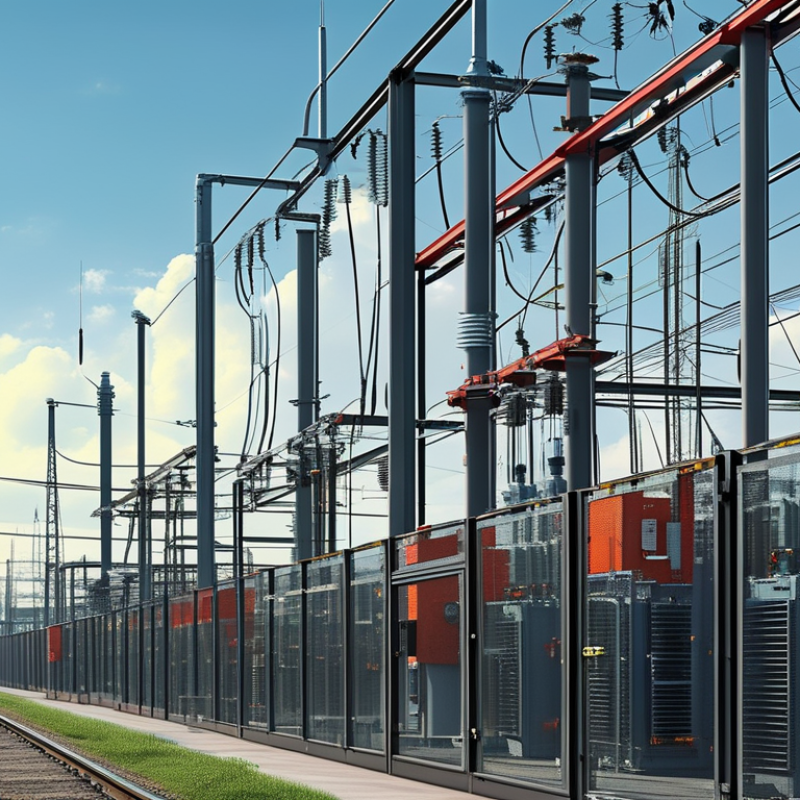
Power transformers play a crucial role in electricity transmission. Digital monitoring solutions offer significant advantages in enhancing reliability. They provide real-time data, allowing for prompt decision-making. This immediacy is vital in preventing costly outages. According to a 2022 industry report, systems with digital monitoring showed a 30% reduction in unplanned downtimes.
One of the key benefits is predictive maintenance. By analyzing data, potential failures can be identified before they occur. A study conducted by the International Energy Agency revealed that predictive maintenance reduces maintenance costs by up to 25%. Yet, implementing these solutions can require substantial initial investment. This might lead to concerns about return on investment, especially for smaller utilities.
Digital monitoring enhances operational transparency. Operators can track the performance of transformers over time, leading to improved efficiency. However, reliance on digital data has its downsides. Cybersecurity risks are a growing concern. Protecting sensitive information is paramount. As we integrate more technology, we must ensure security measures keep pace. Balancing innovation with risk management is essential.
Power transformer digital monitoring solutions offer a new frontier for enhancing efficiency and safety. These systems provide real-time insights into transformer health, helping you spot issues before they escalate. The integration of sensors allows for continuous data collection. This data helps in predictive maintenance, ultimately reducing downtime.
A key feature is remote access. Operators can monitor conditions from anywhere. This ability enhances response times significantly, especially during critical situations. Advanced analytics tools process data efficiently. They highlight trends and anomalies, making decision-making much clearer.
Tips: Always ensure that your monitoring system has reliable data transmission. Regularly verify sensor accuracy to prevent false readings. Maintenance schedules can be modified based on performance data.
Another significant characteristic is user-friendly interfaces. They allow quick access to necessary information. Simplified dashboards can help even less technical personnel understand transformer status. Such systems foster a culture of safety and proactive management in power stations.
Tips: Invest time in training staff on these interfaces. A well-informed team can maximize the benefits of digital monitoring. Continuous learning will lead to better utilization of these tools.
The integration of power transformers with smart grid technologies is transforming the energy landscape. Smart grids leverage advanced communication and monitoring systems. These systems enhance the efficiency and reliability of power distribution. According to a report by the International Energy Agency, smart grid technologies could reduce electricity losses by up to 8% by 2040. This demonstrates the significance of modernizing power systems.
Effective digital monitoring solutions enhance transformer performance. They provide real-time data on operating conditions and potential failures. A study from the Electric Power Research Institute highlights that predictive maintenance can reduce downtime by 30%. This proactive approach not only saves costs but also improves grid stability. However, implementation remains challenging. Many utility providers face budget constraints that hinder technology adoption.
Data integration also poses risks. Cybersecurity concerns are paramount. Protecting sensitive information is critical as more devices connect to the grid. Real-time monitoring must balance accessibility and security. Industry experts recommend a cautious approach, highlighting the need for robust training and protocols. These challenges must be addressed to fully realize the benefits of power transformer digital monitoring in smart grids.
| Feature | Description | Benefits | Impact on Smart Grid |
|---|---|---|---|
| Real-time Monitoring | Continuous data collection from transformers. | Early detection of faults, optimizing maintenance schedules. | Improves reliability and efficiency of the power grid. |
| Predictive Analytics | Analyzes data trends to forecast potential issues. | Reduces downtime and maintenance costs. | Facilitates proactive grid management. |
| Integration with IoT | Connects transformers to the Internet of Things. | Enables remote monitoring and control. | Enhances communication and response times in grid management. |
| Data Analytics Dashboard | User-friendly interface for data visualization. | Improves decision-making processes. | Supports better resource allocation in the smart grid. |
| Remote Firmware Updates | Allows updates without physical access to transformers. | Enhances security and functionality. | Improves resilience against cyber threats. |
Power transformer digital monitoring solutions have become crucial for enhancing cost efficiency and maintenance. These technologies enable real-time monitoring, allowing operators to detect faults early. According to the International Electrotechnical Commission, effective monitoring can reduce maintenance costs by up to 30%.
Moreover, these digital solutions improve asset life. A report from the Electric Power Research Institute notes that predictive maintenance can increase transformer life expectancy by 10-20%. This is significant, considering a transformer can represent a large portion of a utility's capital investments.
Implementing digital monitoring also addresses unexpected outages. A study found that unplanned downtime can cost utilities up to $1 million per event. While digital solutions require investment, the potential savings and improvements in reliability are compelling. However, not all operators adopt these systems. Some remain hesitant, fearing technology complexity or upfront costs. Addressing these concerns is essential for broader acceptance.
Digital monitoring solutions for power transformers have become essential in modern energy management. Real-time data analysis provides a clear picture of transformer health. Operators can detect issues before they escalate, reducing downtime and maintenance costs. Predictive maintenance identifies potential failures based on patterns in the data gathered. This proactive approach saves resources while ensuring reliability.
Tips: Set clear parameters for data analysis to avoid overwhelm. Focus on key performance indicators. Regularly review data to make informed decisions.
Incorporating advanced monitoring technology may seem daunting. However, the benefits outweigh the challenges. Unexpected failures can disrupt operations. By using real-time data, operators can navigate these uncertainties more effectively. It fosters a culture of vigilance within teams.
Tips: Train staff on data interpretation for better outcomes. Discuss potential failures openly to cultivate learning. Regular maintenance checks are crucial in ensuring system reliability.
: Digital monitoring provides real-time data, enhancing reliability and preventing outages.
Predictive maintenance detects potential failures early, cutting maintenance costs by up to 25%.
Initial investment costs and concerns over return on investment can hinder smaller utilities from adopting technology.
As more devices connect, protecting sensitive information becomes critical to prevent data breaches.
User-friendly interfaces and simplified dashboards help staff understand transformer status easily.
It highlights trends and anomalies, making it easier for operators to make timely decisions.
Reliable data transmission and regular sensor accuracy checks are essential to prevent false readings.
Investing in training allows teams to utilize these systems effectively and promotes proactive management.
This integration enhances efficiency and reliability, potentially reducing electricity losses by 8% by 2040.
Budget constraints often limit the implementation of advanced monitoring solutions, affecting many utility providers.
Power Transformer Digital Monitoring Solutions offer a range of advantages that enhance the reliability and efficiency of power systems. By leveraging digital monitoring, operators can benefit from real-time data analysis, which enables predictive maintenance and minimizes potential failures. These solutions provide key features such as advanced sensor technology and comprehensive data analytics, ensuring that transformers operate optimally.
Moreover, the integration of Power Transformer Digital Monitoring Solutions with smart grid technologies significantly improves overall system performance. This synergy not only increases cost efficiency by reducing maintenance downtime but also enhances decision-making processes through timely insights. As the energy sector continues to evolve towards more sophisticated and interconnected systems, adopting digital monitoring will be crucial for ensuring sustainable and effective power management.
