Tanaka Electric
Power transformers are critical components in electrical power systems. In China, their performance can significantly impact energy efficiency. However, overheating poses a serious risk. A report from the China Electric Power Research Institute indicates that power transformer failures often stem from overheating. Understanding the "Power Transformer Overheating Causes" is vital for maintaining reliability.
Expert Dr. Li Wei states, "Most overheating issues arise from inadequate cooling and system overload." This highlights the importance of proper maintenance and capacity planning. The growing demand for electricity amplifies the risk of overheating. In cities, the density of transformers places additional stress on their cooling systems.
China's aging infrastructure further complicates this issue. Older models are particularly susceptible to overheating due to outdated technology. Insufficient monitoring can lead to catastrophic failures. Therefore, addressing the causes of overheating is crucial. We must focus on modernization and preventive measures to ensure reliability in our power systems.
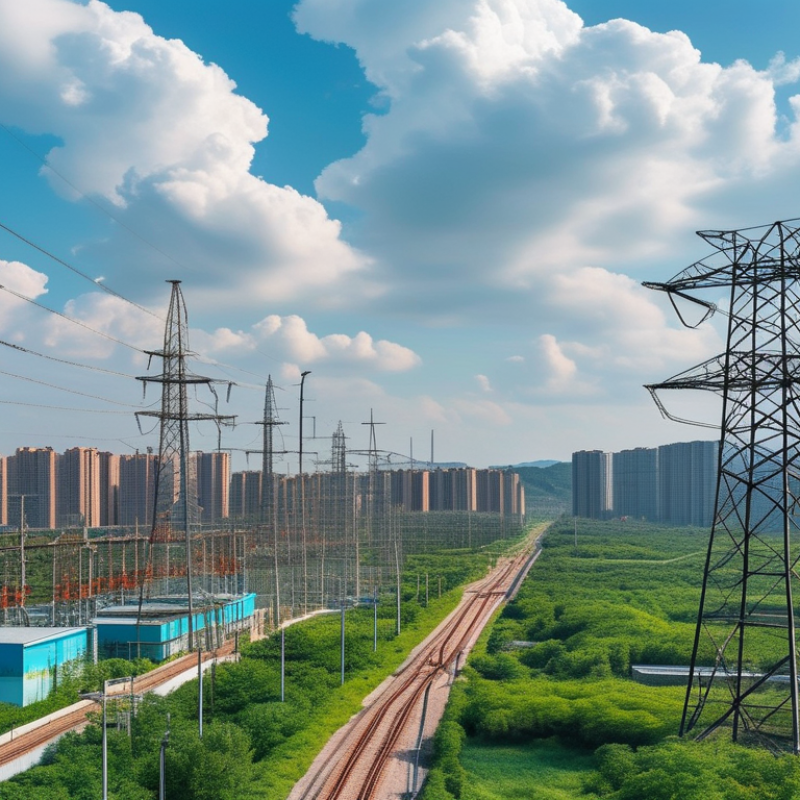
Power transformer overheating in China is a critical issue affecting energy efficiency and system reliability. Data from the China Electricity Council indicates that excessive heat is often caused by high load conditions and inadequate cooling systems. In 2022 alone, about 30% of transformer failures were attributed to overheating, compelling operators to rethink their maintenance strategies and designs.
Several environmental factors contribute to this problem. High ambient temperatures in southern regions amplify cooling challenges. Aging infrastructure may also increase resistance in electrical components, generating additional heat. A report from the National Energy Administration suggests that regular monitoring and upgrades could help mitigate risks. However, many companies still lack comprehensive monitoring systems, exposing them to operational hazards.
Understanding these causes is essential for improving transformer longevity and reliability. Operators often overlook simple solutions, like ensuring proper ventilation or updating cooling fluids. Power transformers are essential, yet they require serious attention to prevent overheating issues that can lead to costly downtimes and repairs. Ignoring this aspect of transformer management may lead to larger systemic failures down the line.
Power transformers play a critical role in electrical systems. Their thermal characteristics influence performance directly. An overheating transformer can lead to severe issues, including equipment failure and safety hazards. Understanding the factors that cause overheating is essential for optimal operations.
Power transformers generate heat during regular use. Several elements contribute to this heat buildup. Poor ventilation, excessive loading, and insulation degradation can exacerbate the problem. It's crucial to monitor the environment surrounding the transformer. A well-ventilated area helps maintain optimal temperature levels.
Tips: Regular maintenance checks can prevent unexpected failures. Keep monitoring thermal loads and ensure proper cooling systems are in place. Small changes can make a significant difference, enhancing the longevity and efficiency of the transformer. Awareness of thermal limits is essential. Constant attention prevents unplanned downtimes.
Understanding these thermal characteristics can help manage performance effectively. However, insufficient data on operating conditions complicates assessments. Transformers must be evaluated in varied scenarios for comprehensive understanding. This helps in refining cooling strategies and improving reliability.
Power transformer overheating can be a significant issue in China. Various design flaws often contribute to this problem. For instance, inadequate cooling systems may not effectively dissipate heat. Additionally, poor insulation materials can break down faster under high temperatures. Designers sometimes overlook thermal management, leading to vulnerabilities.
Environmental factors also play a role in overheating. High ambient temperatures can exacerbate the heat produced by transformers. Pollution and humidity can affect cooling efficiency. Rain or dust accumulation on transformers disrupts airflow, causing further overheating risks. In urban areas, the heat generates a dangerous cycle of rising temperatures.
Transformers must be regularly monitored to prevent overheating. Inspections can reveal potential weaknesses in design and environment. Operator training is critical. It’s essential to understand the local climate and operational stresses. Many overlook these factors, leading to catastrophic failures. Addressing both design imperatives and environmental challenges is crucial for reliable transformer performance.
| Cause | Description | Impact |
|---|---|---|
| Design Flaws | Inadequate cooling design that fails to dissipate heat effectively. | Increased risk of transformer failure or decreased lifespan. |
| Overloading | Operating the transformer beyond its rated capacity. | Excessive heat generation leading to insulation breakdown. |
| Poor Maintenance | Infrequent inspections and cleaning of cooling equipment. | Accumulation of dust and debris can impede cooling. |
| Ambient Temperature | High surrounding temperatures that exceed design specifications. | Increased thermal stress and potential overheating. |
| Cooling System Failure | Failures in pumps, fans, or other components of the cooling system. | Leads to ineffective heat removal, increasing operating temperatures. |
| Insulation Degradation | Aging or chemical breakdown of insulation materials. | Less effective thermal management, leading to overheating. |
Power transformer overheating is a common issue in many regions, particularly in China. Its causes are often tied to load conditions. A transformer operates under various load levels, which can significantly impact its temperature. High load conditions increase the heat generated in the windings and core. When a transformer frequently faces overload, it risks overheating, which can lead to premature failure.
Management of load conditions is crucial to maintaining optimal transformer performance. Regular monitoring allows operators to anticipate and mitigate overheating risks. Implementing effective load management strategies is essential. If loads are consistently too high, consider redistributing them among different transformers. This practice can prevent excess strain on individual units.
Tips: Regularly inspect connections and cables. Loose connections can add resistance and create heat. Also, ensure that the cooling system is functioning efficiently. An overlooked cooling issue can drastically raise temperatures. Adjust maintenance schedules to prioritize high-load times, optimizing the transformer’s operation and longevity. Regular temperature monitoring can provide real-time insights into potential issues, allowing for proactive measures before overheating occurs.
Transformer overheating is a significant issue in many electrical systems. In China, this problem is prevalent due to various factors, including environmental conditions and operational stress. Recognizing the causes is essential for effective management. High ambient temperatures and insufficient cooling systems contribute to overheating. Additionally, improper load management can lead to excessive heat generation within the transformer.
Implementing preventive measures is crucial for reducing the risk of overheating. Regular maintenance and inspections help identify potential issues early. Keeping the cooling systems clean ensures they operate efficiently. Furthermore, incorporating temperature monitoring devices can provide real-time data. This enables prompt responses to temperature fluctuations.
Tips for maintaining transformer health include ensuring adequate ventilation. A well-ventilated area can significantly reduce heat buildup. Another tip is to train personnel on load management practices. Educated staff can help avoid overloading transformers. Finally, adhering to regular oil testing and replacement schedules keeps the transformer operating optimally. By taking these steps, transformers can function safely and effectively, minimizing the risk of overheating.
: High load conditions and inadequate cooling systems primarily cause overheating. Environmental factors also play a significant role.
In 2022, about 30% of transformer failures were linked to overheating. This highlights a crucial concern for operators.
High load conditions generate excess heat. Effective load management prevents transformers from overheating and supports longevity.
Regular temperature monitoring and connection inspections are vital. Loose connections can increase resistance and generate heat.
High ambient temperatures and aging infrastructure can complicate the cooling process. These factors must be considered in maintenance strategies.
Ensuring proper ventilation and updating cooling fluids are often overlooked yet essential for preventing overheating issues.
The article explores the "Power Transformer Overheating Causes" and offers a detailed overview of the factors contributing to this critical issue. It discusses the thermal characteristics of power transformers, emphasizing how temperature affects their overall performance and efficiency. Key causes of overheating are identified, including design flaws, inadequate cooling systems, and challenging environmental conditions.
Furthermore, the article highlights the significance of load conditions in managing transformer temperatures effectively. It also outlines preventive measures and solutions to mitigate overheating risks, ensuring enhanced reliability and longevity of power transformers. This comprehensive analysis provides valuable insights for industry professionals seeking to address overheating concerns in transformer operations.
