Tanaka Electric Tanaka Electric

What Causes Power Transformer Insulation Failures?

Time:2026-07-25 Author:Ethan
0%

Power transformers play a crucial role in electrical grids, functioning as the backbone of energy distribution. However, understanding power transformer insulation failure causes is vital for maintaining operational reliability. According to the IEEE, insulation failures account for approximately 30-40% of transformer outages. These statistics underline the significant impact that insulation integrity has on transformer performance and longevity.

Key factors contributing to insulation failure include thermal stresses, aging, and environmental conditions. Research indicates that over 70% of insulation degradation is linked to elevated temperature and moisture exposure. Furthermore, contaminants and improper maintenance practices often exacerbate insulation issues, leading to unexpected operational failures. Stakeholders must prioritize regular assessments and implement best practices to mitigate these risks effectively.

To enhance transformer reliability, experts advocate for robust diagnostic techniques and regular monitoring of insulation conditions. However, many plants still lack adequate inspection processes, leaving them vulnerable to costly outages. Addressing these oversight issues is essential for optimizing operational performance and prolonging transformer lifespan.
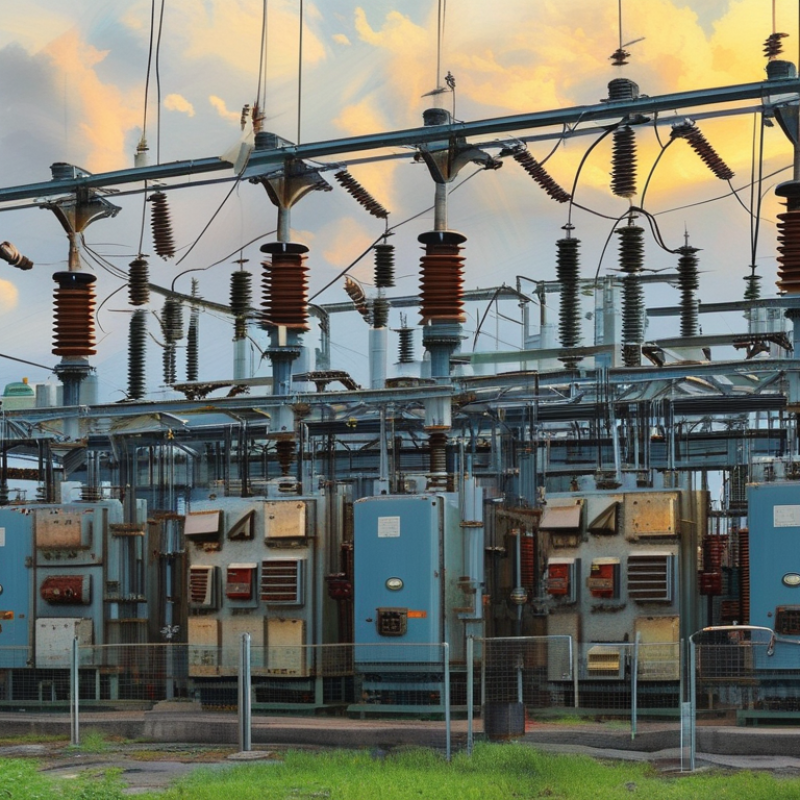
What Causes Power Transformer Insulation Failures?

Understanding Power Transformer Insulation and Its Importance

Power transformers play a crucial role in the electrical grid. Their insulation system is vital for ensuring reliability and longevity. The insulation helps to prevent electrical faults, allowing transformers to operate safely under high voltage conditions. According to industry studies, approximately 20% of transformer failures are attributed to insulation failure. This statistic highlights the importance of monitoring insulation integrity over time.

Understanding the different types of insulation materials is key. Common materials include paper, oil, and synthetic compounds. These materials degrade due to thermal, mechanical, and environmental stressors. For example, thermal aging can lead to a reduction in insulation effectiveness by up to 50% over 20 years. Regular diagnostic techniques, like moisture analysis and insulation resistance testing, can identify potential issues before they lead to catastrophic failures.

However, many facilities overlook consistent maintenance practices. A recent survey found that only 40% of operators regularly inspect insulation systems. Neglecting these inspections creates a vulnerable situation. Insulation failure can result in unexpected downtime and costly repairs. It is essential for operators to understand the impact of insulation on transformer health and prioritize proactive maintenance strategies.

Common Causes of Insulation Failures in Power Transformers

Insulation failures in power transformers can disrupt electrical networks. These failures often stem from a range of common causes. One major factor is moisture. Water ingress can drastically reduce insulation integrity. Even small amounts of moisture can lead to serious issues.

Another common cause is contamination from dust and pollution. These particulates can build up on insulation materials and may create conductive paths. Over time, they can cause electrical discharge and overheating. It's crucial to conduct regular inspections to identify such build-up early.

Thermal stress is another contributor. Continuous heating and cooling cycles can weaken insulation over time. It’s inevitable that insulation materials will degrade eventually, but proper maintenance practices can extend their life. However, neglecting to monitor temperature levels can lead to unexpected failures. Understanding these factors is essential for maintaining transformer reliability.

What Causes Power Transformer Insulation Failures? - Common Causes of Insulation Failures in Power Transformers

Failure Cause Description Impact Prevention Measures
Moisture Ingress The presence of water can weaken insulation, leading to failures. Reduced insulation resistance, increased risk of short-circuiting. Use of moisture barriers and regular inspections.
Thermal Stress Excessive heat can damage insulation materials over time. Potential for overheating and subsequent failure. Monitor temperature and ensure proper cooling systems are in place.
Electrical Overstress Surge voltages can surpass insulation limits, causing breakdown. Quick failure of insulation, risk of catastrophic events. Install surge protection devices and regular maintenance checks.
Mechanical Stress Vibrations or physical impacts can cause insulation damage. Deterioration of insulation integrity and long-term reliability. Employ vibration dampening equipment and secure fittings.
Chemical Exposure Corrosive substances can degrade insulation materials. Accelerated insulation breakdown and potential outages. Conduct regular inspections and keep environment clean.

Effects of Moisture and Contaminants on Insulation Integrity

Moisture and contaminants significantly impact the integrity of power transformer insulation. When insulation material absorbs moisture, it can lead to partial discharge and electrical breakdown. This weakens the dielectric properties of the insulation over time, resulting in failures. Contaminants, such as dust and chemical residues, act as additional stressors. They can create conductive paths, which further compromise insulation performance.

To maintain insulation integrity, regular monitoring is crucial. Check the environmental conditions around your transformers. Ensure that humidity levels are within acceptable limits. If moisture is detected, implement drying processes immediately.

Minimize exposure to contaminants by keeping areas clean and well-ventilated. Consider using filters to reduce airborne particles. Conduct regular inspections to identify potential issues before they escalate. Remember, proactive maintenance is key to prolonging lifespan and ensuring reliability.

Electrical Stress and Thermal Aging: Insulation Vulnerabilities

Electrical stress and thermal aging are two primary factors that contribute to insulation failures in power transformers. Electrical stress occurs when high voltages create an electric field that can penetrate insulating materials. Over time, this can lead to partial discharges, which deteriorate the insulation. Thermal aging is equally significant. As transformers operate, heat builds up, causing insulation materials to degrade. This degradation can ultimately lead to cracks and failures.

To mitigate these issues, routine maintenance is crucial. Regularly inspect transformers for signs of wear and thermal stress. Keep an eye on temperature levels to prevent overheating. Implementing a monitoring system can help catch issues early.

Additionally, consider the insulation materials used in construction. High-quality, heat-resistant insulation can significantly improve longevity. Using advanced diagnostic tools can also provide insights into insulation health. Always remember, proactive measures can save costs in the long run.

Power Transformer Insulation Failures: Key Factors

Prevention and Maintenance Strategies for Transformer Insulation Issues

Insulation failures in power transformers can lead to significant operational disruptions. Regular maintenance is vital for the longevity of transformer insulation. According to industry data, up to 30% of transformer failures are linked to insulation degradation. Cleaning the transformer bushings and ensuring proper moisture levels can prevent these issues.

Thermal aging significantly affects insulation performance. The insulation's lifespan decreases as temperatures rise. Reports indicate that insulation materials can lose 50% of their effectiveness after prolonged exposure to high temperatures. Monitoring techniques, such as infrared thermography, can assist in detecting hotspots before failure occurs. Regular insulation resistance tests can also provide early indicators of potential problems.

Periodic inspections are essential for maintaining transformer insulation. Industry best practices recommend visual assessments and electrical diagnostics at least yearly. These practices help identify signs of wear, such as discoloration or cracking. Proper training for personnel is crucial to ensure these inspections are effective. Awareness of the signs of insulation failure will empower maintenance teams to take timely action.

FAQS

: Why is insulation important for power transformers?

: Insulation is vital for reliability and longevity. It prevents electrical faults and ensures safe operation.

What types of materials are commonly used for insulation?

Common insulation materials include paper, oil, and synthetic compounds. They degrade under thermal, mechanical, and environmental stress.

How does thermal aging affect insulation effectiveness?

Thermal aging can reduce insulation effectiveness by up to 50% over 20 years. This acceleration of wear needs attention.

What percentage of transformer failures are due to insulation failure?

Approximately 20% of transformer failures are linked to insulation problems. This statistic underscores the need for vigilance.

How can moisture affect insulation integrity?

Moisture absorption can lead to partial discharge and electrical breakdown. This weakens the insulation over time and causes failures.

What preventive measures can be taken to maintain insulation integrity?

Regular monitoring of environmental conditions, cleaning areas, and using filters can help. Promptly address any detected moisture.

Are maintenance practices often neglected in transformer operations?

Yes, many facilities ignore consistent maintenance. Only 40% of operators conduct regular inspections of insulation systems.

What are the effects of contaminants on insulation performance?

Contaminants like dust create conductive paths. They add stress to insulation and can compromise overall performance significantly.

How can operators mitigate electrical stress on insulation?

Routine inspections for wear and monitoring temperature levels can prevent overheating. Early detection is crucial.

Why is proactive maintenance important for power transformers?

Proactive maintenance prolongs lifespan and ensures reliability. It can save costs and reduce unexpected downtime and repairs.

Conclusion

Power Transformer Insulation Failure Causes can significantly impact the reliability and efficiency of electrical systems. Understanding the importance of power transformer insulation is crucial, as it serves as a barrier to prevent electrical short circuits and ensure safe operation. Common causes of insulation failures include exposure to moisture and contaminants, which can deteriorate the insulation material, leading to reduced performance and eventual failure.

Moreover, electrical stress and thermal aging are critical factors that contribute to the vulnerabilities of insulation systems in transformers. Over time, these stresses can lead to insulation break down, further exacerbated by environmental conditions. Implementing effective prevention and maintenance strategies is essential to mitigate risks associated with insulation failures. Routine inspections, moisture control, and appropriate material selection are vital for extending the lifespan of power transformer insulation and ensuring uninterrupted operation.

Ethan

Ethan

Ethan is a seasoned marketing professional with a deep expertise in our company's innovative product line. With a passion for sharing knowledge and insights, he takes the lead in regularly updating our corporate blog, where he explores industry trends, product features, and effective marketing......