Tanaka Electric Tanaka Electric

How to Anticipate Future Trends in Power Transformer Technology?

Time:2026-07-05 Author:Isabella
0%

Power transformers play a crucial role in modern electrical systems. As the world transitions to renewable energy, anticipating the "Future Trends In Power Transformer Technology" is vital. Experts like Dr. Emily Carter underscore this sentiment. She states, "Innovative designs will redefine transformer efficiency in the coming years."

The demand for smarter, more efficient power transformers is increasing. Industries seek solutions to enhance performance while reducing carbon footprints. Advances in materials and nanotechnology promise lighter, more durable transformers. However, challenges remain. Transitioning to new technologies can be slow and costly. Organizations must adapt strategies to integrate innovations effectively.

Monitoring trends in power transformer technology is essential for stakeholders. Energy providers, manufacturers, and researchers must collaborate. Together, they can develop solutions that meet future energy demands. As Dr. Carter emphasizes, understanding these trends today shapes a more efficient and sustainable tomorrow.
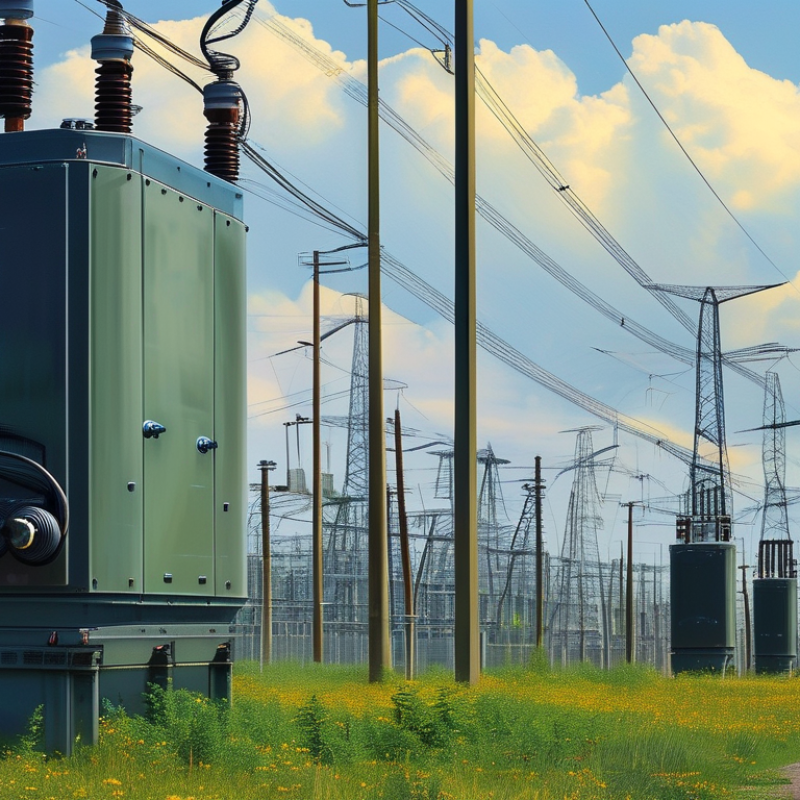
How to Anticipate Future Trends in Power Transformer Technology?

Emerging Technologies in Power Transformer Design and Efficiency

The evolution of power transformer technology is heavily influenced by emerging innovations. New designs focus on improving efficiency and reducing environmental impacts. Materials like amorphous steel are being integrated into transformers to minimize energy losses. These advancements promise a more sustainable future for energy distribution.

Enhanced monitoring technologies are also coming into play. Sensors integrated into transformers help in real-time diagnostics. They detect anomalies before they escalate into costly failures. This proactive approach can save significant costs and enhance reliability.

However, implementing these technologies is not without challenges. The integration process can be complex and costly. Maintenance requires skilled technicians familiar with new systems. As the industry adapts, ongoing training will be essential for workforce development. The balance between innovation and practicality needs careful consideration.

Innovative Materials Impacting Power Transformer Longevity and Performance

Innovative materials are revolutionizing power transformer technology. These advancements can significantly impact the longevity and performance of transformers. For instance, amorphous steel is becoming popular due to its energy-efficient properties. This material reduces core losses, enhancing overall efficiency. Additionally, insulation materials like cross-linked polyethylene are now widely used. They offer better thermal resistance and mechanical strength. This is crucial for maintaining performance under various conditions.

Another exciting development is the use of nanotechnology in insulation. Nanomaterials can improve electrical properties. They also enhance resistance to thermal degradation. These improvements lead to longer-lasting transformers capable of withstanding harsh conditions. However, as these materials evolve, manufacturers face challenges. Ensuring standardization in production and performance remains a concern. It's crucial to address these issues for widespread adoption.

Moreover, environmental considerations are increasingly influencing material choices. Lightweight and recyclable materials are sought after. This shift towards sustainability is essential for future developments. Nevertheless, implementing these innovative solutions might not always be straightforward. Balancing functionality and eco-friendliness poses challenges that require ongoing research. The future of power transformers hinges on overcoming these obstacles.

The Role of Smart Grids in Transforming Power Transformer Operations

The rise of smart grids is reshaping power transformer operations. These advanced electrical networks optimize energy distribution and improve reliability. They enhance communication between devices, allowing for real-time monitoring and control. Smart grids utilize data analytics to predict demand fluctuations. This results in more efficient transformer load management.

Power transformers can now operate more effectively within a smart grid framework. They respond to changing loads dynamically. This adaptability can prevent overloads and extend transformer life. However, integrating smart technology presents challenges. The cost of retrofitting existing transformers may be prohibitive. Additionally, maintaining cybersecurity becomes crucial as more data is transmitted.

The fusion of smart grids and power transformers is a work in progress. While many benefits are clear, gaps in knowledge exist. Operators must continually adapt to advancements in technology. Future trends will require ongoing education and flexible strategies. Balancing efficiency with security will be essential for success. The journey into smart transformer operations is just beginning.

Future Trends in Power Transformer Technology

This chart illustrates the anticipated evolution of key factors influencing power transformer technology over the next decade, focusing on the integration of smart grids and their impact on operational efficiency, reliability, and environmental sustainability.

Predictive Maintenance and Data Analytics in Transformer Management

Predictive maintenance is reshaping transformer management. By leveraging data analytics, operators can forecast failures and optimize performance. A recent report highlights that predictive maintenance can reduce operational costs by up to 25%. This significant reduction stems from early intervention, rather than reactive repairs.

Tips: Regular data collection is crucial. Ensure transformers are equipped with reliable sensors for real-time monitoring. Invest in software that uses artificial intelligence for pattern detection.

Data analytics also enhances decision-making. For example, analyzing temperature and vibration data can identify wear and tear trends. An industry study indicated that 70% of transformer failures are due to insulation issues, which could be detected early. It's vital to keep track of historical performance data. It allows for better predictions and timely maintenance actions.

Tips: Implement a centralized database for easy access. Collaborate with engineering teams to translate insights into practical maintenance strategies. Ignoring this may lead to costly outages and long-term reliability issues. Focus on continuous improvement through analytics, and the benefits will follow.

Global Regulations Shaping the Future of Power Transformer Technology

The landscape of power transformer technology is shifting due to global regulations. Environmental concerns drive many of these rules. Countries are enforcing stricter standards on efficiency and emissions. These regulations aim to reduce the carbon footprint of energy systems. Manufacturers must innovate to meet these requirements. Adopting sustainable materials is one approach.

A key area of focus is the rise of renewable energy. Regulations often encourage the integration of transformers suited for solar and wind power. These systems must be adaptable. Flexibility in design can help meet varying energy demands. However, many existing transformers struggle with this transition. Upgrading infrastructure is critical yet challenging.

Regulatory bodies are also emphasizing smart technologies. These advancements allow for better monitoring and control of power flows. Yet, integrating these technologies is not without difficulty. The industry must address cybersecurity threats and data privacy issues. The path forward requires collaboration among stakeholders to develop effective solutions. Only through open dialogue can we face these challenges together.

FAQS

: What materials are being used to improve power transformer efficiency?

: Amorphous steel is now integrated into transformers to reduce energy losses and enhance efficiency.

How do enhanced monitoring technologies benefit power transformers?

Sensors enable real-time diagnostics, identifying issues before they lead to expensive failures and enhancing reliability.

What are the challenges of implementing new transformer technologies?

Integration can be complex and costly, requiring skilled technicians for maintenance and adaptation.

How do smart grids impact power transformer operations?

Smart grids optimize energy distribution, improving communication and enabling real-time monitoring and control of transformers.

Why is flexibility important in transformer design?

Flexibility allows transformers to adapt to varying energy demands, especially with renewable energy integration.

What challenges come with retrofitting existing transformers for smart grid compatibility?

The cost can be high, and ensuring cybersecurity is crucial as data transmission increases.

How are global regulations affecting power transformer technology?

Stricter standards focus on efficiency and emissions, pushing manufacturers to innovate and adopt sustainable materials.

What must operators do to keep up with advancements in technology?

Continuous education and flexible strategies are critical for adapting to emerging technologies in power transformers.

What issues arise with integrating smart technologies in transformers?

Cybersecurity threats and data privacy concerns must be addressed as smart technologies become more common.

How can stakeholders collaborate to face challenges in transformer technology?

Open dialogue among all parties is essential for developing effective solutions to ongoing issues.

Conclusion

The article "How to Anticipate Future Trends in Power Transformer Technology?" outlines key developments shaping the next generation of power transformers. Emerging technologies are revolutionizing designs and enhancing efficiency, while innovative materials are increasing both the longevity and performance of transformers. The integration of smart grid systems plays a pivotal role in transforming operations, enabling better communication and monitoring of transformer functionality.

Additionally, the use of predictive maintenance and data analytics is becoming essential in optimizing transformer management, reducing downtime, and improving reliability. With global regulations increasingly focusing on sustainability and efficiency, these trends highlight the significant shifts that will define the future landscape of power transformer technology. Understanding these future trends is crucial for stakeholders aiming to stay ahead in this evolving industry.

Isabella

Isabella

Isabella is a dedicated marketing professional with a sharp focus on driving brand growth and engagement through strategic content creation. With an extensive background in digital marketing, she combines her passion for storytelling with her keen understanding of industry trends to deliver......