Tanaka Electric
Power transformers rarely fail without warning. A rising oil temperature, a faint discharge sound, or a sudden change in dissolved gas readings can signal trouble inside a tank that looks quiet from the outside. This guide to Common Power Transformer Failures And Solutions examines ten recurring problems, including insulation breakdown, bushing damage, oil leaks, cooling-system faults, and winding deformation. Each failure has different causes. Each requires evidence, not guesswork.
Transformer engineering author Dr. S. V. Kulkarni is a recognized specialist, but no source text was provided to verify a verbatim quotation from him. Rather than invent one, this introduction uses a practical principle: “A reliable repair begins with a measured diagnosis.” That is editorial wording, not a quotation attributed to Dr. Kulkarni. Effective troubleshooting draws on inspection records, oil analysis, temperature trends, protection events, and qualified testing. A small leak near a gasket may seem minor; ignored moisture can threaten insulation performance. Still, no checklist catches everything. Site conditions matter, and some findings remain uncertain until the transformer is tested safely. The solutions ahead focus on practical response, preventive maintenance, and clear decision-making, while recognizing that repair plans must follow equipment specifications and professional assessment.
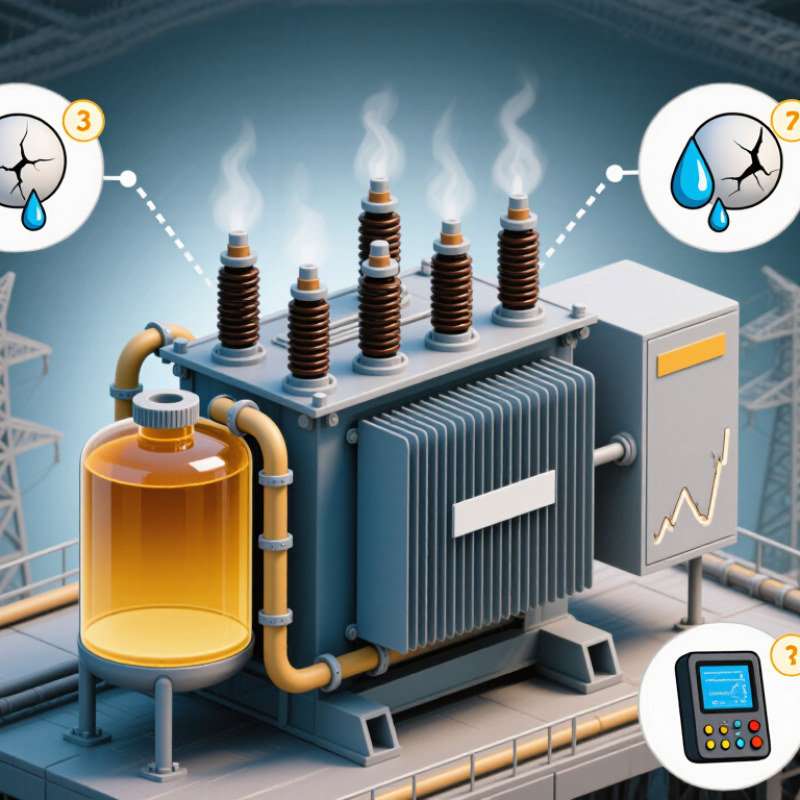
A power transformer rarely fails without warning, but its clues can be subtle. Listen for a new hum, sharp rattling, or repeated clicking. A change in sound matters more when it persists under similar operating conditions. Note when it occurs and whether the load has changed. Small details help technicians compare symptoms with operating records.
Look for oil leaks, darkened surfaces, unusual odors, or corrosion around seals and connections. Rising oil or winding temperatures may point to cooling problems, overloaded operation, or an internal fault. Check whether fans and pumps cycle as expected, and record temperature readings over time. Even a clean-looking unit can be unhealthy. No single clue proves failure; weather, load, and sensor errors can mislead.
Electrical warning signs include repeated protective trips, voltage fluctuations, abnormal test results, and partial-discharge activity. Treat these as reasons for a qualified assessment, not as proof of one specific defect. Keep people clear of energized equipment, and follow site procedures before any inspection. A useful report includes timestamps, alarms, load conditions, sounds, smells, and visible changes. Some observations will be incomplete. That is still better than relying on memory.
Power transformer faults often appear as small changes before a trip: rising oil temperature, unusual humming, or repeated protection alarms. Look for patterns. Compare readings with the unit’s normal operating history, not just generic limits. A sudden temperature increase under steady load may point to restricted cooling, low oil, or a failing fan. Overheating during heavy demand can also indicate overloading or poor electrical connections.
Use several diagnostic clues together. Dissolved-gas analysis can reveal signs of arcing, overheating, or insulation breakdown, but one gas result rarely proves a single cause. Moisture tests and insulation-resistance measurements help assess paper insulation, while winding-resistance checks can uncover loose joints or damaged conductors. Inspect bushings for cracks, tracking, or oil leaks, and review tap-changer operation for abnormal wear. Keep test conditions and maintenance records consistent. The picture can still be imperfect; older records may be missing, and similar symptoms can have different causes. Qualified technicians should interpret results and isolate equipment before internal inspection. A faint metallic rattle may seem minor, yet its timing alongside load and temperature changes can narrow the search.
Transformer failures often begin with small clues: a hot radiator, a slow oil leak, or an unusual hum. Ten practical solutions can reduce risk, but each repair should follow inspection and test results.
Clean blocked radiators and verify that cooling fans operate correctly. Check oil levels and inspect seals for fresh drips. Take oil samples to assess moisture and dissolved gases; use qualified specialists to decide whether filtration or further testing is needed. Clean bushings and check connections for looseness, cracks, or tracking marks. Measure insulation resistance and compare readings with earlier records. Trends matter.
Balance phase loads when measurements show uneven loading. Service tap changers according to their condition, checking contacts for wear and contamination. Test protective relays and confirm trip circuits work. Inspect grounding connections for corrosion or looseness. Keep clear records of temperatures, oil tests, alarms, and repairs. Small details count.
A quiet transformer may still have an insulation problem, and one test rarely tells the whole story. Field conditions can complicate diagnosis, so avoid replacing parts based on guesswork. Have trained personnel isolate equipment and follow site safety procedures before opening, testing, or servicing it.
A safe repair begins before anyone touches the transformer. Review its drawings, service history, and alarm records, then identify every supply and possible backfeed. A qualified technician should isolate the unit, follow site lockout procedures, verify absence of voltage with rated equipment, and apply protective grounds as required. Wear task-appropriate protective equipment and keep unauthorized people outside the work area. Stop there if isolation is uncertain.
Match the remedy to the evidence. For overheating, compare load readings with the nameplate rating and inspect cooling fans, radiators, and air paths for blockage. For oil leakage, locate the source without opening a live tank; arrange suitable repairs and check oil condition through qualified testing. Unusual humming or vibration may point to loose fittings, mounting problems, or an electrical issue. Do not tighten or probe components while energized. No shortcuts.
Record readings, photographs, test results, and replaced parts before returning equipment to service. A responsible technician should confirm that covers, guards, connections, and grounding are restored, then follow an approved commissioning procedure. Monitor temperature, sound, and alarms after restart. Checklists help, but they can miss a small leak or a change in noise; pause and investigate anything that does not fit the expected pattern.
| Failure or issue | Typical signs | Likely causes | Repair and verification steps | Key safety measures |
|---|---|---|---|---|
| 1. Overheating | High winding or oil temperatures, temperature alarms, accelerated insulation aging, or an unexpected load-related temperature rise. | Overloading, restricted airflow, failed cooling equipment, poor connections, or an internal fault. | 1. Compare load and temperature trends with operating limits. 2. Check radiators, air passages, fans, pumps, and temperature sensors. 3. Correct the cause; reduce load if required. 4. Verify cooling operation and monitor temperatures under controlled loading. | Do not open or touch energized equipment. Use approved isolation, lockout/tagout, and temperature-rated protective equipment; follow site procedures for load reduction. |
| 2. Oil leakage | Oil on the tank, around valves or radiators, a falling oil level, or an oil-level alarm. | Aged or damaged seals, loose fittings, corrosion, cracked welds, or mechanical damage. | 1. Locate and document the leak. 2. Assess oil level and whether operation must be stopped. 3. Isolate and depressurize the affected section as required. 4. Replace seals or repair the approved component. 5. Refill with compatible treated oil, check for leaks, and confirm oil level and alarms. | Use trained personnel and appropriate spill containment. Treat oil as a potential environmental hazard; prevent entry into drains and follow local handling and disposal requirements. |
| 3. Moisture or degraded insulating oil | Unsatisfactory oil test results, reduced dielectric strength, increased acidity, or signs of moisture ingress. | Breathing-system problems, leaking seals, contaminated oil, or moisture entering during maintenance. | 1. Take an oil sample using a clean, approved method. 2. Review laboratory results and trends. 3. Find and correct the moisture source. 4. Have qualified personnel filter, dehydrate, or replace oil as indicated by test results and equipment requirements. 5. Retest before returning to service. | Follow oil-sampling and chemical-handling procedures. Keep the transformer isolated when required and prevent contamination of the oil system during service. |
| 4. Bushing deterioration or failure | Cracks, contamination, oil seepage, abnormal heating, or unfavorable insulation-test results. | Aging, moisture ingress, contamination, electrical stress, or a damaged connection. | 1. Inspect the bushing and connections from a safe distance. 2. Review applicable test results and compare phases. 3. Replace a defective bushing with a correctly rated compatible unit. 4. Inspect connections and seals, then perform required electrical tests before energizing. | Bushing work is for qualified high-voltage personnel only. Isolate all sources, verify absence of voltage, discharge and ground conductors, and observe approach boundaries. |
| 5. Cooling fan or oil-pump failure | Cooling-stage alarms, stopped fans, unusual pump noise, reduced oil flow, or rising temperatures. | Motor or bearing failure, electrical supply or control fault, blocked flow path, or damaged fan blades. | 1. Check alarms, control power, and operating indications. 2. Inspect the motor, guards, wiring, and flow path. 3. Repair or replace the failed component and correct control faults. 4. Confirm rotation, airflow or oil flow, alarms, and temperature response. | Isolate the relevant electrical supply before servicing motors or controls. Guard against unexpected automatic starting and rotating equipment. |
| 6. On-load tap-changer (OLTC) problems | Voltage regulation problems, operation alarms, abnormal switching sounds, or changes in oil or dissolved-gas test results. | Contact wear, mechanical binding, drive or control failure, or contaminated tap-changer oil. | 1. Review operation counters, alarms, voltage records, and test results. 2. Check drive and control components using the approved procedure. 3. Arrange inspection and service of contacts and oil by qualified specialists. 4. Perform functional checks and verify correct voltage regulation. | Follow the specific tap-changer service instructions. Isolate and secure the mechanism when required; do not bypass interlocks or operate a suspect unit without an approved assessment. |
| 7. Winding insulation fault | Protection trips, abnormal winding resistance, abnormal insulation-test results, or evidence of internal arcing or overheating. | Insulation aging, moisture, thermal stress, transient overvoltage, or mechanical movement during a fault. | 1. Keep the unit out of service until assessed. 2. Review protection records and diagnostic tests. 3. Have a transformer specialist determine whether repair or factory-level rewinding is required. 4. Complete acceptance tests and review results before recommissioning. | Never re-energize after a suspected internal fault based only on a visual check. Testing and internal repairs require qualified personnel, approved isolation, discharge, and grounding procedures. |
| 8. Partial discharge or internal arcing indications | Unusual dissolved-gas trends, electrical discharge alarms, unexplained noise, or abnormal diagnostic results. | Insulation defects, loose components, contamination, or electrical stress. A single test result does not confirm a specific fault. | 1. Confirm sampling and test quality. 2. Compare dissolved-gas and other diagnostic trends over time. 3. Use suitable follow-up testing to locate and assess the issue. 4. Repair or remove the transformer from service based on a specialist assessment; verify repairs before operation. | Treat credible internal-fault indications seriously. Do not conduct intrusive inspections on energized equipment; use a documented risk assessment and qualified diagnostic personnel. |
| 9. Abnormal noise or vibration | New humming, rattling, buzzing, or vibration that changes with load or operating conditions. | Loose external parts, fan or pump issues, mounting problems, harmonics, or internal core or winding movement. | 1. Record when the sound occurs and whether it changes with load. 2. Inspect external supports, panels, and cooling equipment. 3. Check electrical conditions and compare with historical readings. 4. Escalate persistent or changing noise for specialist diagnosis and repair. | Keep personnel clear of energized parts and moving fans. Do not tighten, remove, or adjust components while energized unless an approved procedure specifically permits it. |
| 10. Repeated protection trips | Repeated differential, overcurrent, earth-fault, temperature, or pressure-related trips. | A genuine internal or external fault, incorrect settings, instrument-transformer or wiring problems, or a defective relay. | 1. Preserve relay targets and event records. 2. Inspect the protected circuit and transformer for fault evidence. 3. Test relays, wiring, and associated instrument circuits using approved methods. 4. Correct the verified cause, confirm settings against the protection study, and obtain authorization before return to service. | Never repeatedly reset a trip or bypass protection without an approved investigation. Follow switching procedures and confirm safe isolation before inspection or testing. |
Safety note: Transformer diagnostics and repairs must be performed by qualified personnel under applicable regulations, site procedures, and the equipment manufacturer’s instructions. Isolate all energy sources, apply lockout/tagout, verify absence of voltage, and discharge and ground as required before work.
A transformer may keep running while insulation, cooling, or connections quietly deteriorate. A rising oil temperature, unusual humming, or a fresh leak deserves investigation, not guesswork. Small clues matter. Record load, ambient temperature, and alarm history before testing; these details help distinguish a developing fault from normal operating changes.
Use diagnostic tests that match the symptoms. Dissolved gas analysis can reveal signs of overheating or arcing, while insulation resistance, winding resistance, and turns-ratio tests help assess electrical condition. Thermography can expose hot connections, but readings depend on load and inspection conditions. Isolate equipment and follow site safety procedures before hands-on work. A single test rarely tells the whole story. Results should be compared with earlier measurements and manufacturer limits.
Repairs may include tightening or replacing damaged connections, restoring cooling, treating contaminated oil, or arranging insulation repair. Confirm the cause before replacing parts; otherwise, the same fault may return. Prevention is practical, though not perfect: keep radiators clear, inspect seals for seepage, monitor temperature and oil condition, and review trends after load changes. Maintenance records are easy to neglect, yet missing dates or operating conditions can make useful readings hard to interpret. Regular checks help teams plan repairs before a minor defect interrupts service.
Testing, repairs, and prevention priorities for common transformer issues.
The 1–5 scores are a qualitative planning aid, not measured failure rates or a universal risk rating. Use condition data and qualified engineering assessment to set priorities. Common responses include dissolved-gas analysis and oil treatment, insulation and winding tests, bushing inspection or replacement, cooling-system repairs, tap-changer maintenance, and checks for leaks, grounding, and surge protection.
Watch for rising oil temperature, unusual humming, repeated alarms, or fresh oil drips. Small clues matter.
Compare temperature readings with load history. Check oil level, radiators, fans, and electrical connections. Similar symptoms can have different causes.
It may show signs of overheating, arcing, or insulation breakdown. One result rarely proves the cause.
Insulation-resistance and winding-resistance tests can reveal deterioration or damaged conductors. Turns-ratio testing may also help.
Look for bushing cracks, tracking marks, or oil leaks. Check tap-changer contacts for wear and contamination.
Match tests to the suspected fault, then compare results with earlier readings. Thermography can expose hot connections, but inspection conditions affect readings.
Keep radiators clear, verify fan operation, inspect seals, and monitor oil condition. Record load and ambient temperature too.
Dates, temperatures, oil tests, and alarm history help reveal trends. Missing details can make useful readings hard to interpret.
Qualified personnel should isolate equipment and follow site safety procedures. Guessing can bring the same fault back.
This guide to Common Power Transformer Failures And Solutions explains how to spot warning signs such as unusual noise, overheating, oil leaks, discolored insulation, and unexpected changes in voltage. It outlines a practical approach to diagnosing faults by checking operating conditions, examining components, and identifying possible root causes, including insulation deterioration, loose connections, moisture, excessive loading, and inadequate cooling.
The article presents ten practical ways to address common transformer problems, from tightening or replacing faulty connections to improving cooling, repairing leaks, and arranging appropriate component repairs. It also describes how to carry out work safely: isolate the equipment, follow approved procedures, and use qualified personnel and suitable protective measures. After repairs, conduct appropriate electrical and operational tests, monitor the transformer’s performance, and keep maintenance records. Regular inspections, timely servicing, and attention to abnormal readings can help reduce repeat failures and extend reliable service life.
